
France / World War I
Morane-Saulnier N
An early French single-seat monoplane fighter whose forward-firing gun used propeller deflector wedges before reliable interrupter gear became widespread.
Open aircraft profile →Browse the 234 Air Archive families whose primary recorded role is fighter.
Try a shorter designation, a broader era, or clear one of the filters.
An early French single-seat monoplane fighter whose forward-firing gun used propeller deflector wedges before reliable interrupter gear became widespread.
Open aircraft profile →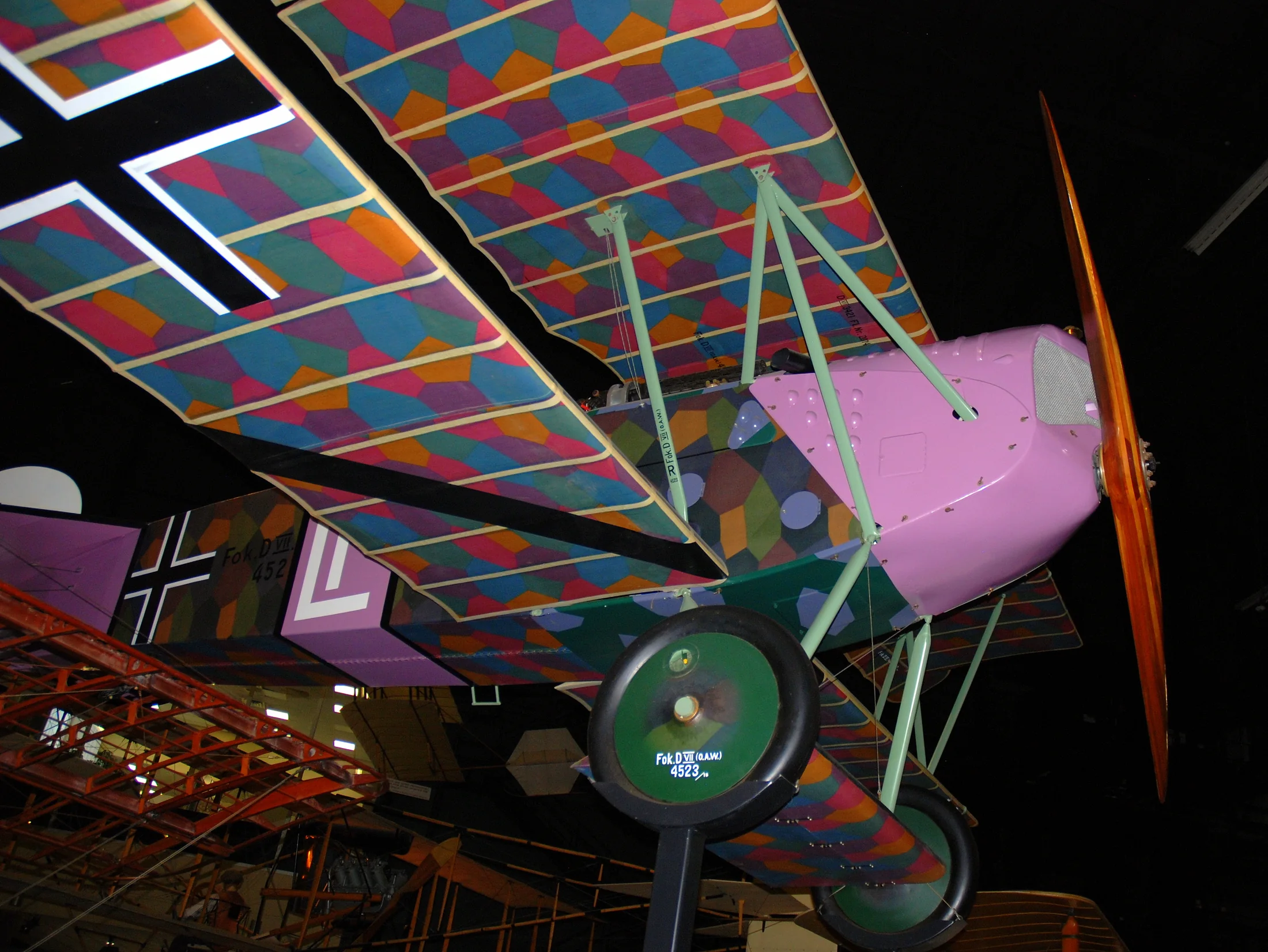
A late-First World War German single-seat fighter whose handling, climb performance, and high-altitude controllability made it one of the conflict’s most highly regarded fighter designs.
Open aircraft profile →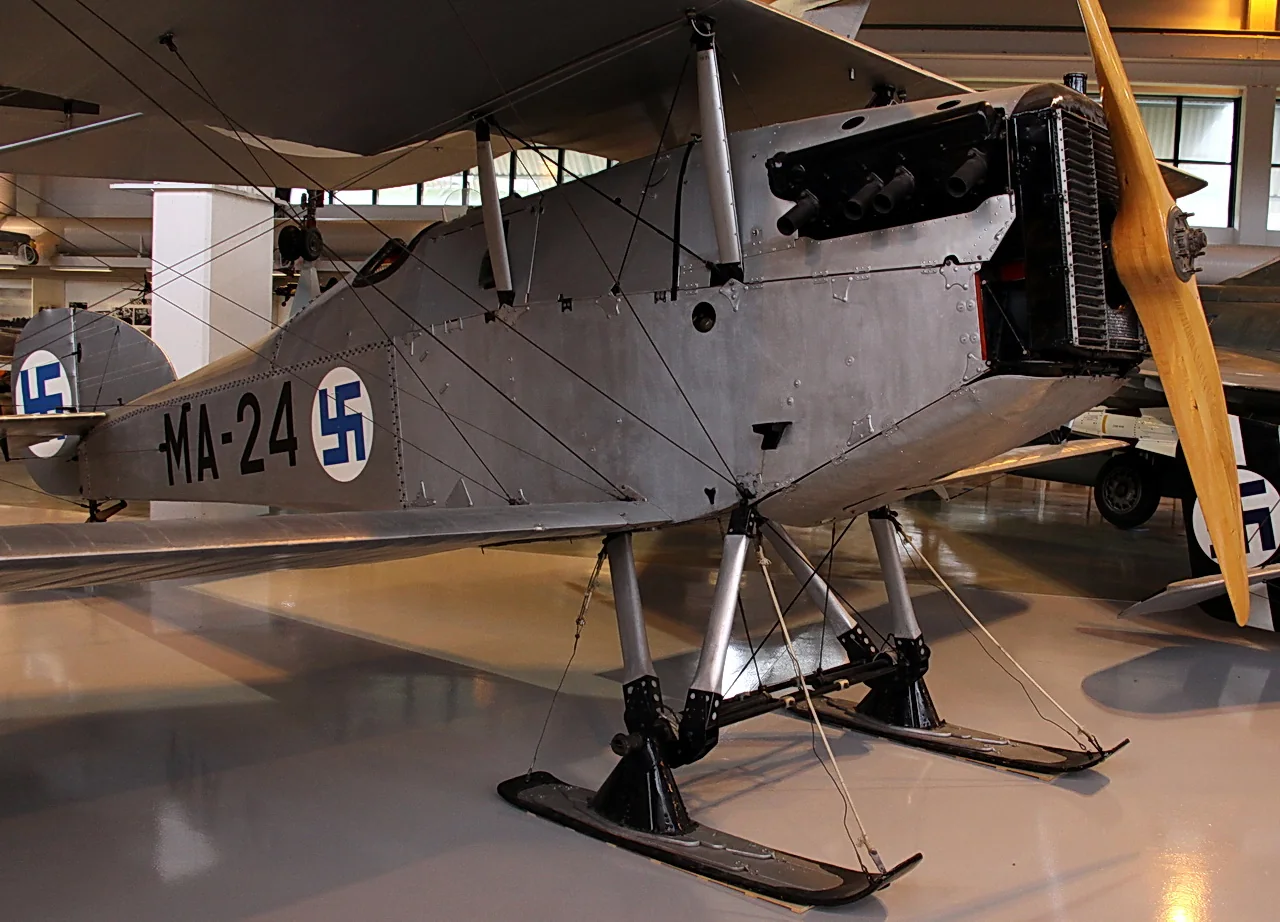
A high-performance British biplane fighter designed at the end of the First World War that found most of its operational career with postwar export users.
Open aircraft profile →
A British carrier fighter used by the Fleet Air Arm through the 1920s and central to the development of early carrier fighter tactics.
Open aircraft profile →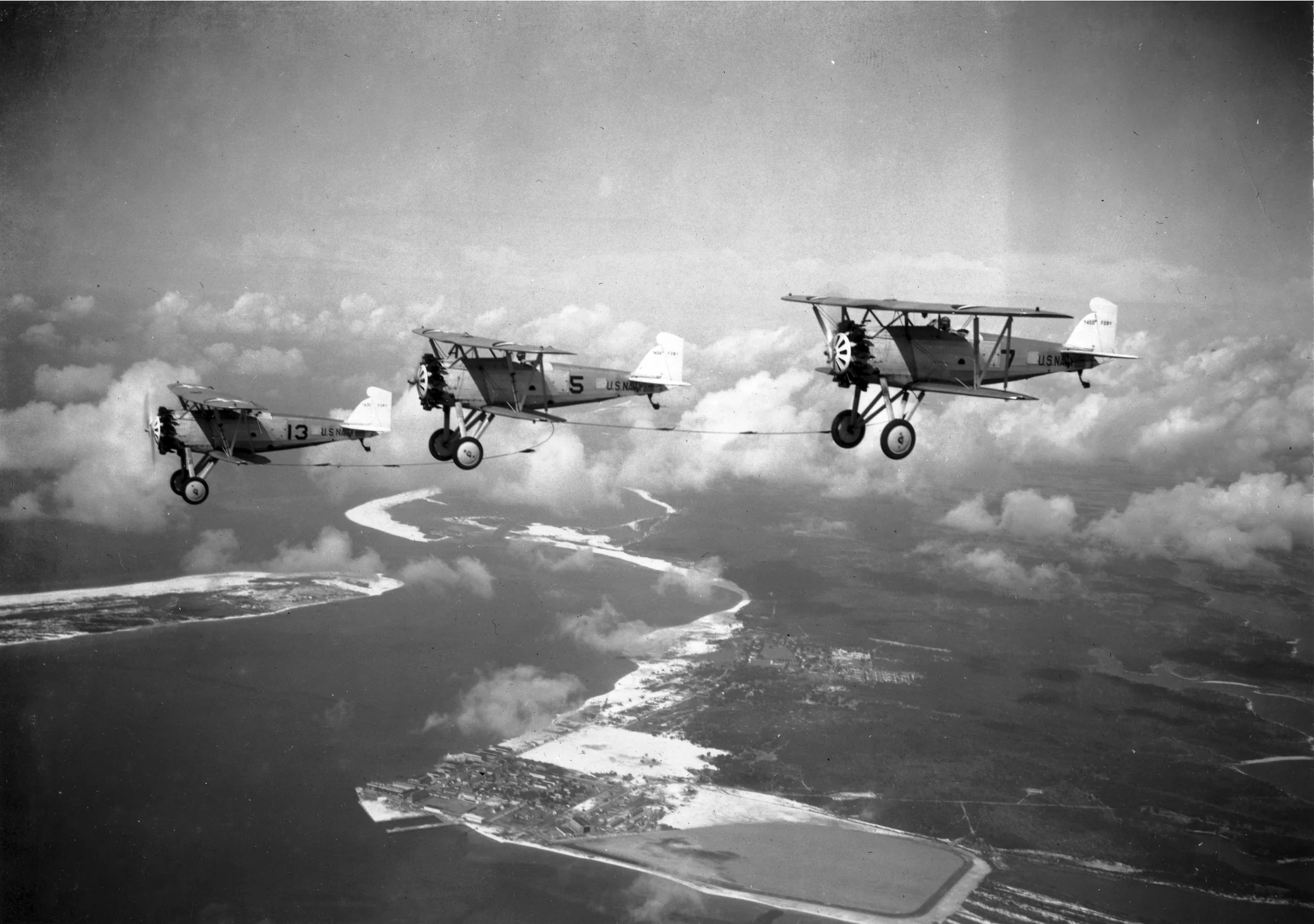
A U.S. Navy carrier fighter introduced in the late 1920s and famously used by the Navy’s early Three Sea Hawks aerobatic team.
Open aircraft profile →
A closely related Boeing Army and Navy biplane fighter family that culminated the company’s interwar pursuit and carrier-fighter development line.
Open aircraft profile →
A high-performance British single-seat biplane fighter of the early 1930s and an important step in Hawker fighter development.
Open aircraft profile →
A carrier-based British fighter derived from the Hawker Fury and operated by the Fleet Air Arm during the 1930s.
Open aircraft profile →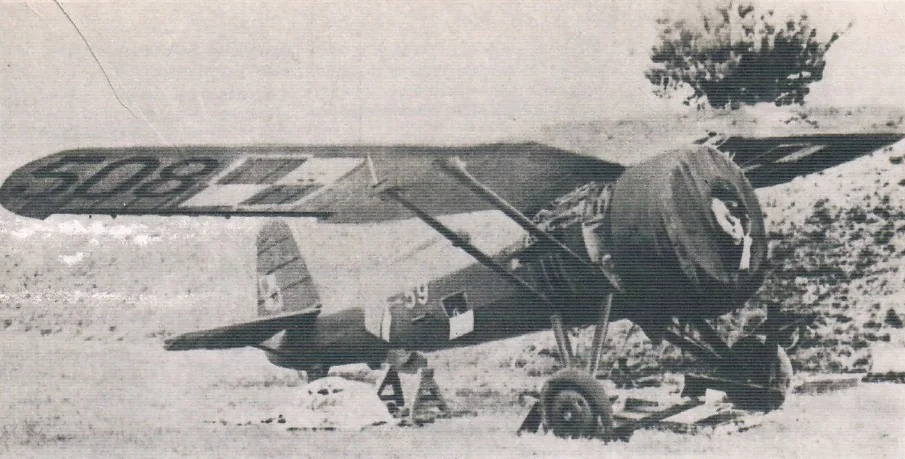
A Polish gull-wing fighter family developed from the Puławski line and the principal Polish fighter type at the outbreak of war in 1939.
Open aircraft profile →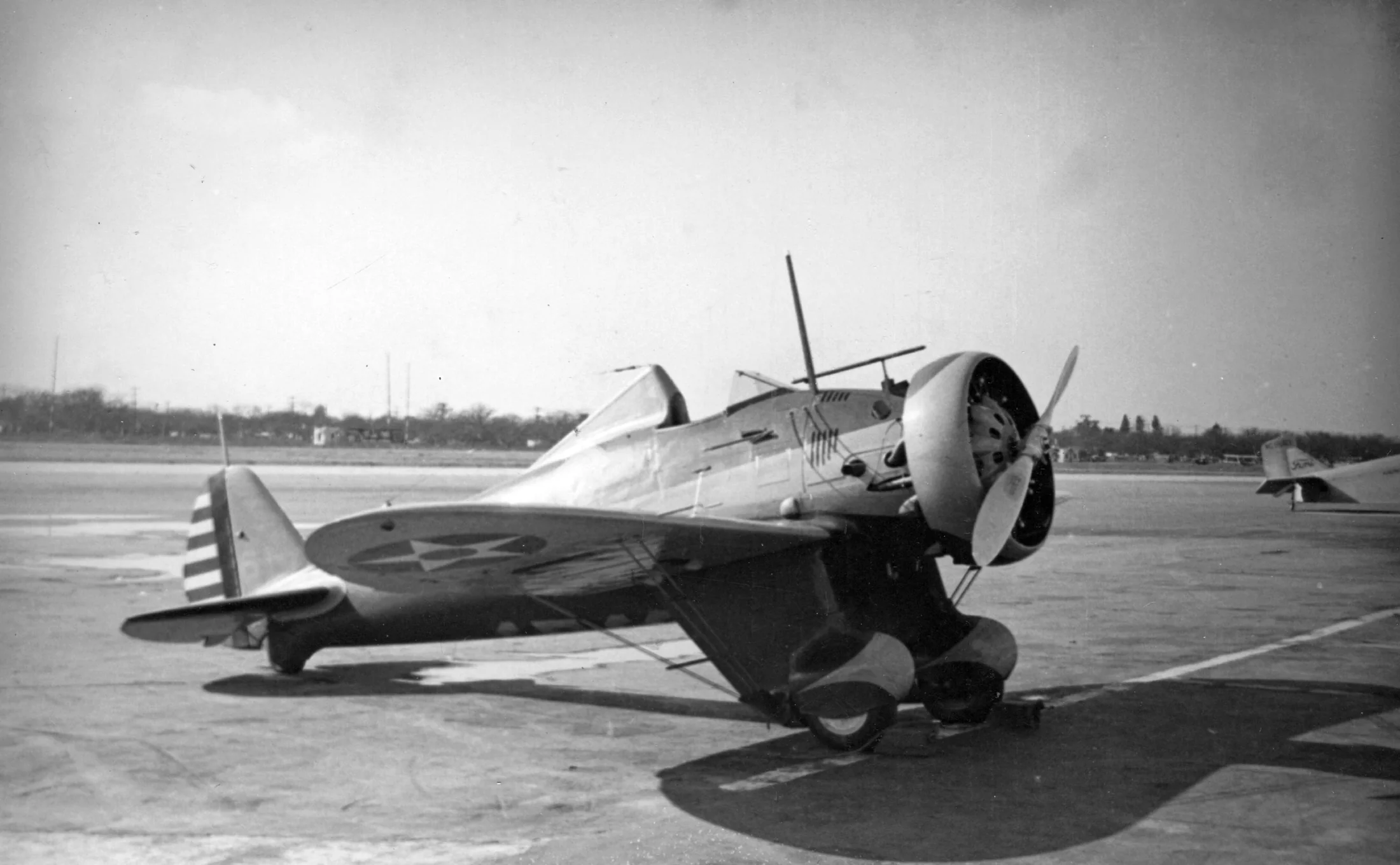
The first all-metal monoplane fighter to enter regular U.S. Army Air Corps service, while retaining fixed landing gear and an open cockpit.
Open aircraft profile →
A French all-metal monoplane fighter of the early 1930s that helped move French fighter design beyond the biplane era.
Open aircraft profile →
A Czechoslovak biplane fighter produced in large numbers before World War II and later used by several Axis-aligned air forces.
Open aircraft profile →
An Italian single-seat biplane fighter acquired in large numbers by the Regia Aeronautica and used extensively in the Spanish Civil War.
Open aircraft profile →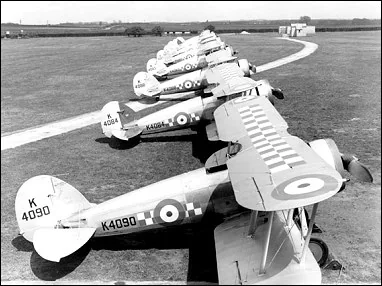
A Royal Air Force biplane fighter that formed an important bridge between early interwar fighters and the Gladiator.
Open aircraft profile →
A compact U.S. Navy carrier fighter of the mid-1930s that preceded the larger F3F series.
Open aircraft profile →
A two-seat fighter derivative of the Hawker Hart developed for the Royal Air Force during the interwar expansion period.
Open aircraft profile →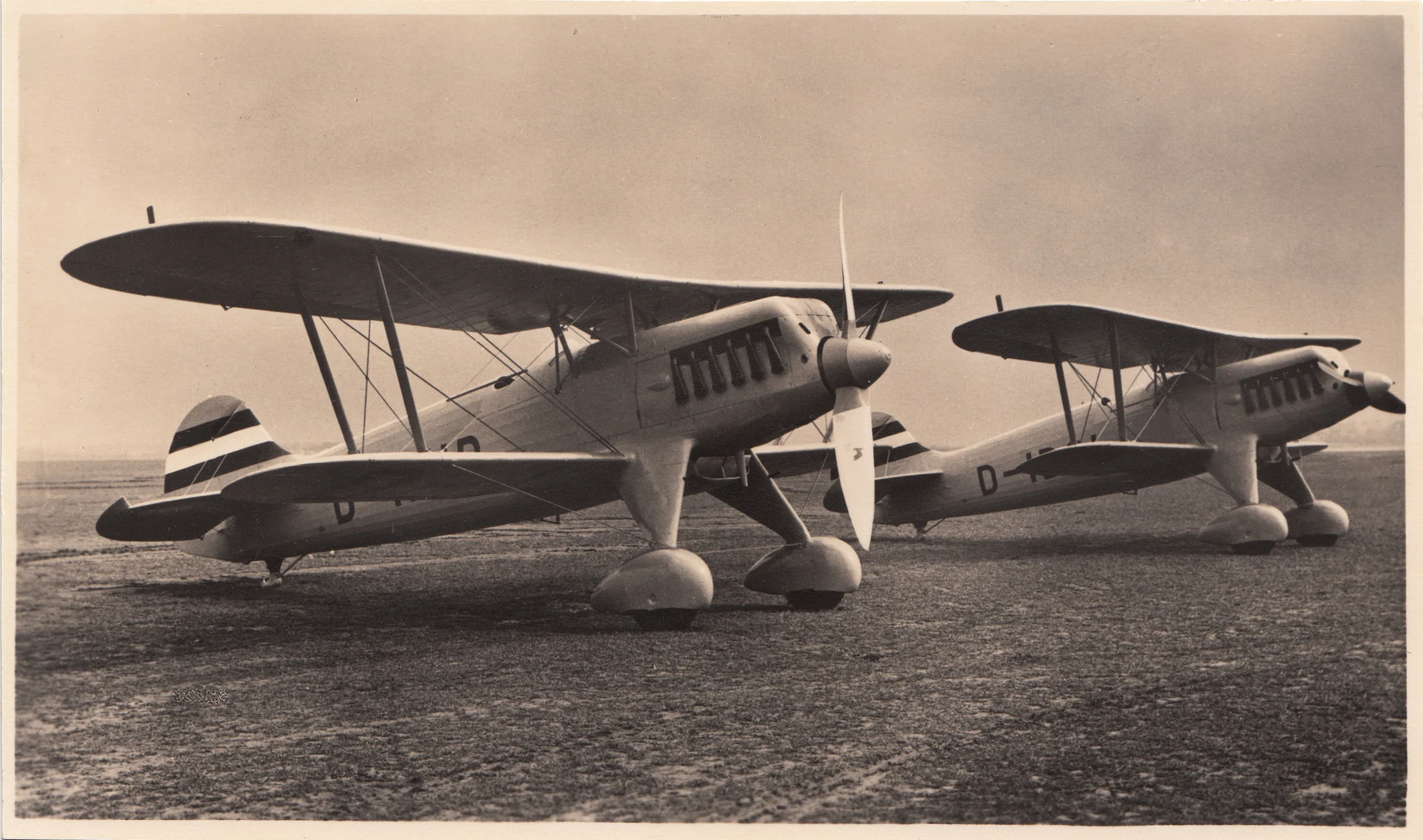
A German biplane fighter of the Luftwaffe’s early expansion period that also saw combat in Spain.
Open aircraft profile →
A Soviet biplane fighter developed in the early 1930s and used in combat before and during the opening phase of World War II.
Open aircraft profile →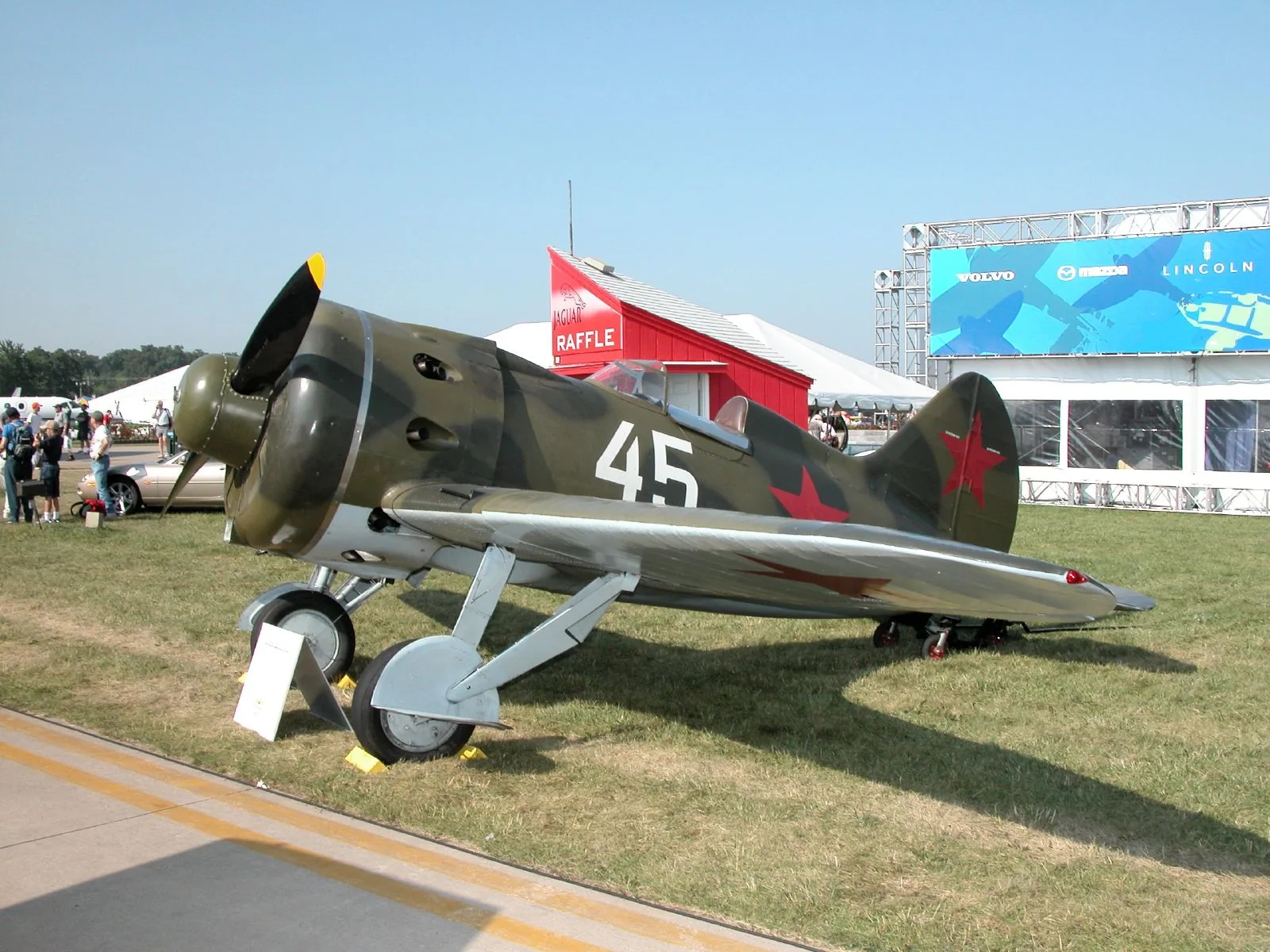
A compact Soviet monoplane fighter combining an enclosed-cockpit concept in later variants with retractable landing gear and high performance for its era.
Open aircraft profile →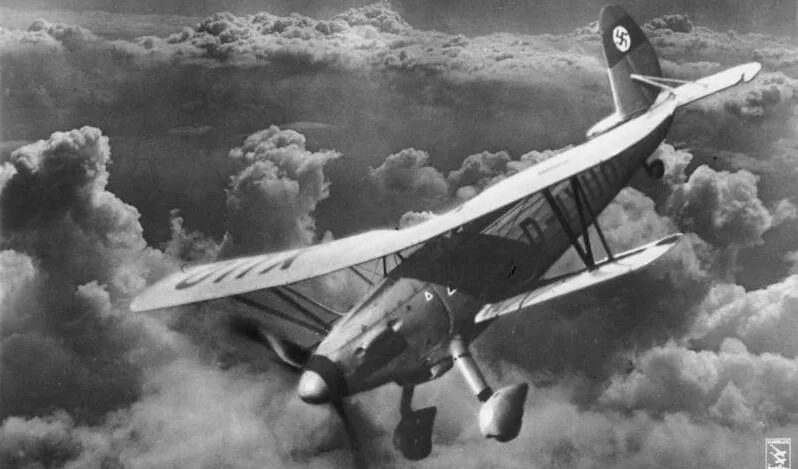
A German biplane fighter introduced during the Luftwaffe’s transition toward modern monoplane fighters.
Open aircraft profile →
The RAF’s last biplane fighter, developed from the Gauntlet and subsequently used in several early Second World War campaigns.
Open aircraft profile →
A U.S. Army Air Corps monoplane fighter derived from the Curtiss Model 75 and produced for American and foreign service.
Open aircraft profile →
The final U.S. Navy biplane fighter family, serving carrier squadrons immediately before the transition to monoplane fighters.
Open aircraft profile →
A British single-seat fighter that entered RAF service before World War II and became a principal Fighter Command aircraft during the Battle of Britain.
Open aircraft profile →
A Yugoslav high-wing monoplane fighter that preceded the IK-3 and served during the opening of the Axis invasion.
Open aircraft profile →
A German single-seat monoplane fighter that entered service before World War II and became the Luftwaffe’s principal fighter family.
Open aircraft profile →
A Japanese carrier fighter developed in the mid-1930s and the Imperial Japanese Navy’s first monoplane shipboard fighter to enter service in quantity.
Open aircraft profile →
A French single-seat monoplane fighter produced in large numbers before World War II and widely used during the 1940 campaign.
Open aircraft profile →
The first U.S. Army Air Corps production single-seat fighter to combine all-metal construction, retractable landing gear, and an enclosed cockpit.
Open aircraft profile →
A lightweight French fighter that saw limited combat in 1940, notably with Polish-manned units in France.
Open aircraft profile →
A compact Dutch monoplane fighter used by the Netherlands and several foreign operators around the opening of World War II.
Open aircraft profile →
A twin-engine German heavy fighter developed in the 1930s and later adapted for fighter-bomber and night-fighter missions.
Open aircraft profile →
A light and highly maneuverable Japanese Army monoplane fighter introduced before the Pacific War.
Open aircraft profile →
A French twin-engine military aircraft family developed around a multi-role concept including fighter, reconnaissance, and light-bomber variants.
Open aircraft profile →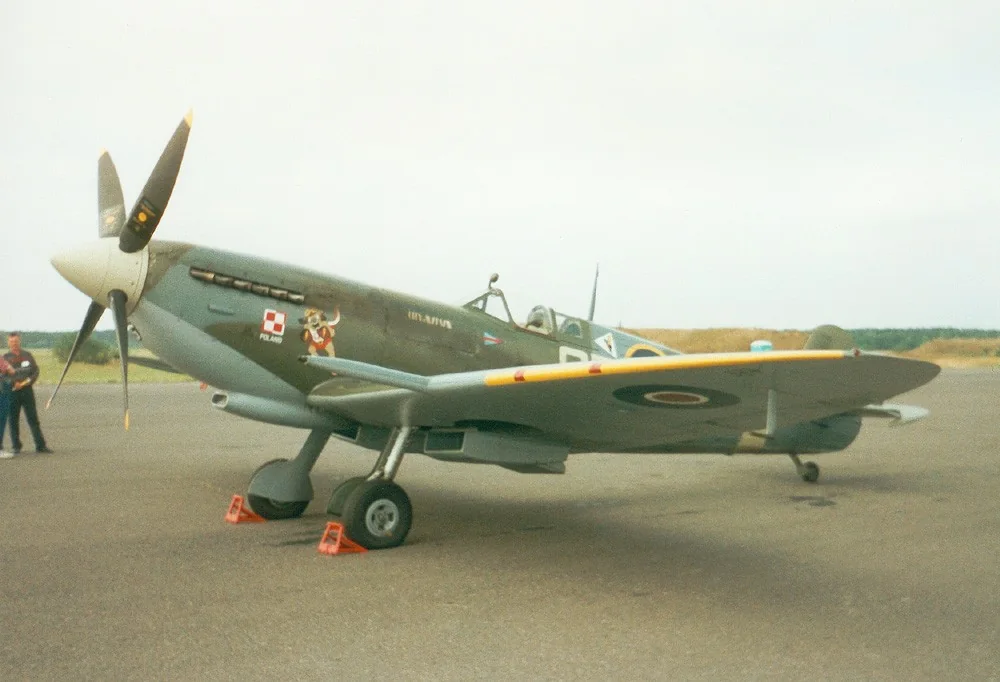
The Spitfire evolved through numerous marks and engine installations from a prewar interceptor into a long-lived fighter family that served across the Second World War and into the early postwar period.
Open aircraft profile →
A French radial-engine fighter family developed during the late 1930s and fielded in several production variants at the outbreak of World War II.
Open aircraft profile →
A two-seat British turret fighter later used effectively in the night-fighter role as its daylight limitations became clear.
Open aircraft profile →
An early U.S. Navy monoplane carrier fighter that also saw extensive foreign service and combat.
Open aircraft profile →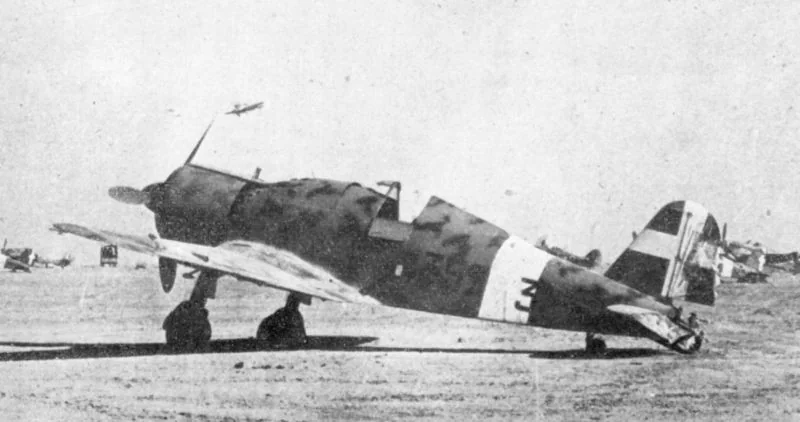
An Italian monoplane fighter and one of the Regia Aeronautica’s first operational fighters with retractable landing gear.
Open aircraft profile →
A Dutch twin-boom heavy fighter developed in the late 1930s and used in combat during the German invasion of the Netherlands.
Open aircraft profile →
An American carrier fighter that formed a central part of U.S. Navy and Marine Corps fighter strength early in the Pacific War.
Open aircraft profile →
An Italian radial-engine monoplane fighter that equipped the Regia Aeronautica in the early years of World War II.
Open aircraft profile →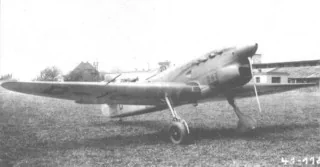
A Czechoslovak monoplane fighter development that continued into the small-production B-135 operated by Bulgaria.
Open aircraft profile →
An American single-engine fighter built around a centrally mounted engine and heavy nose armament.
Open aircraft profile →
A British carrier-capable turret fighter developed for the Fleet Air Arm and used during the opening years of World War II.
Open aircraft profile →
An American fighter family developed from the P-36 and used widely by U.S. and Allied air forces.
Open aircraft profile →
A lightweight export fighter developed in the United States and used in combat by foreign operators in Asia.
Open aircraft profile →
A modern French single-seat fighter that entered service shortly before the German invasion of 1940.
Open aircraft profile →
A highly developed biplane fighter that entered service shortly before World War II and saw combat in Europe, Africa, and the Middle East.
Open aircraft profile →
A Dutch-designed export fighter built for France and used in limited wartime service.
Open aircraft profile →
A retractable-gear biplane fighter representing the final major development of the Polikarpov I-15 line.
Open aircraft profile →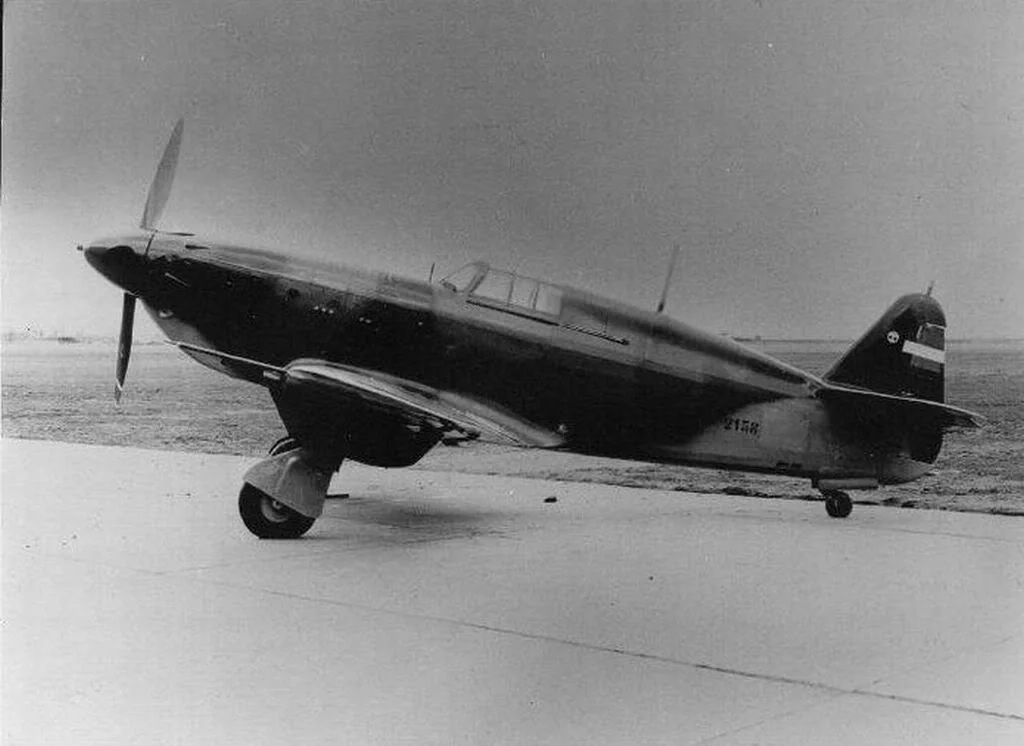
A Yugoslav low-wing monoplane fighter that saw combat during the Axis invasion in April 1941.
Open aircraft profile →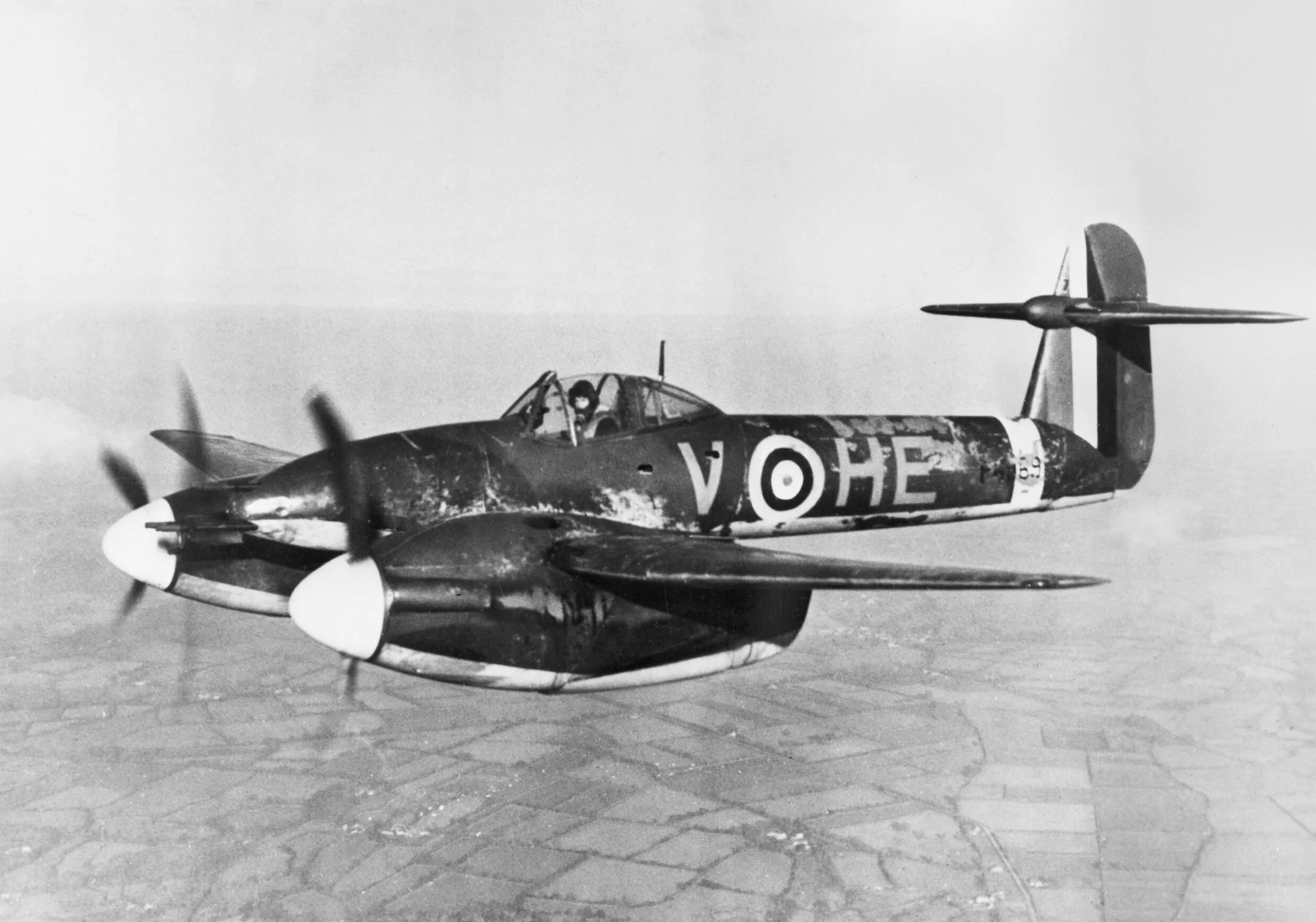
A compact British twin-engine cannon-armed fighter developed immediately before World War II.
Open aircraft profile →
A French lightweight fighter developed just before the 1940 campaign and produced only in limited numbers before the armistice.
Open aircraft profile →
A British twin-engine heavy fighter that became a major night-fighter and maritime-strike aircraft during World War II.
Open aircraft profile →
A radial-engine German fighter that became a principal Luftwaffe fighter and fighter-bomber family.
Open aircraft profile →
A Romanian fighter family that evolved into the IAR 81 fighter-bomber and served extensively on the Eastern Front.
Open aircraft profile →
An Italian twin-engine fighter that entered limited wartime service, including fighter-bomber use.
Open aircraft profile →
A Japanese twin-engine heavy fighter later used extensively for interception and night-fighter missions.
Open aircraft profile →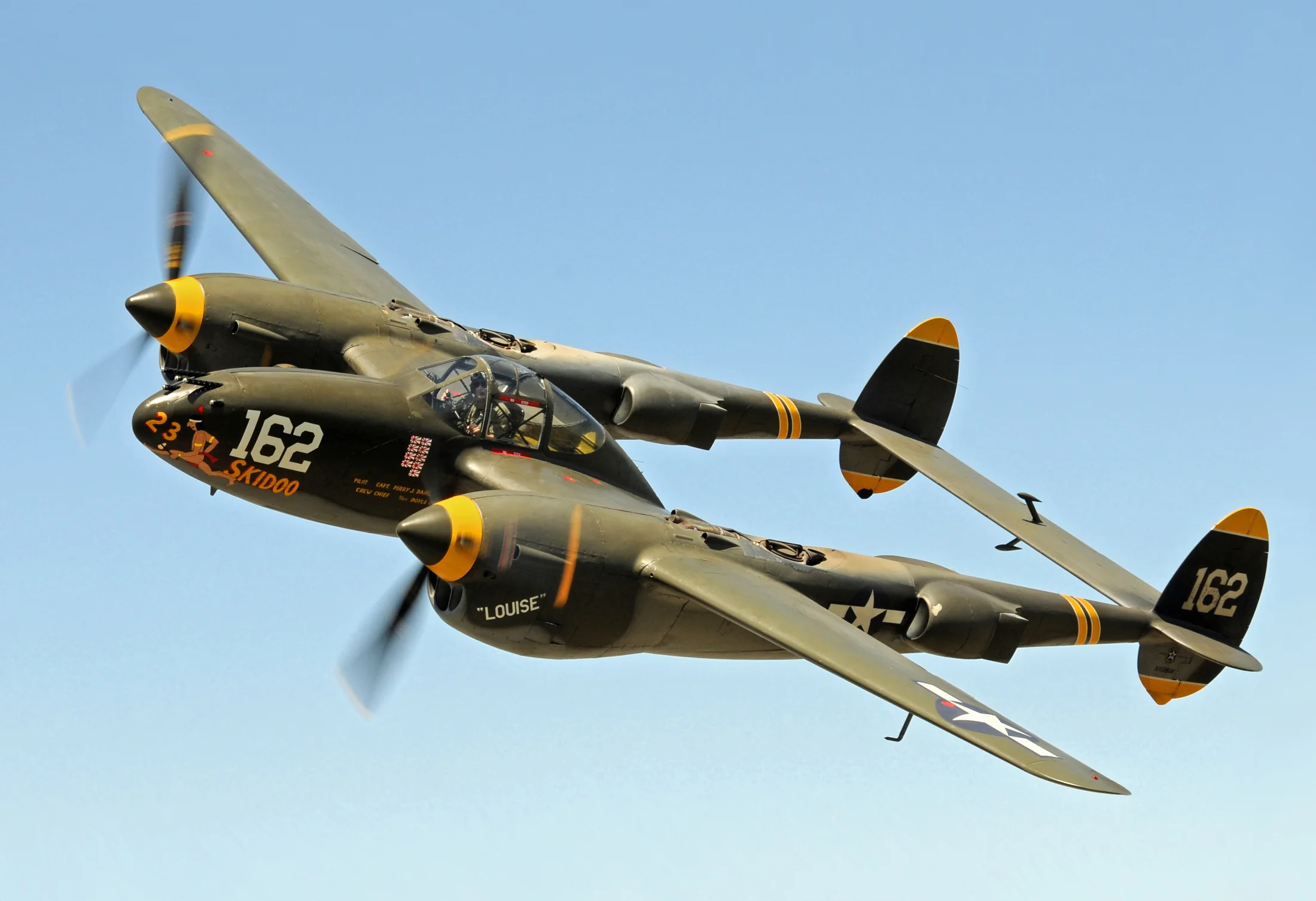
A distinctive twin-engine American fighter used for interception, escort, reconnaissance, and long-range combat.
Open aircraft profile →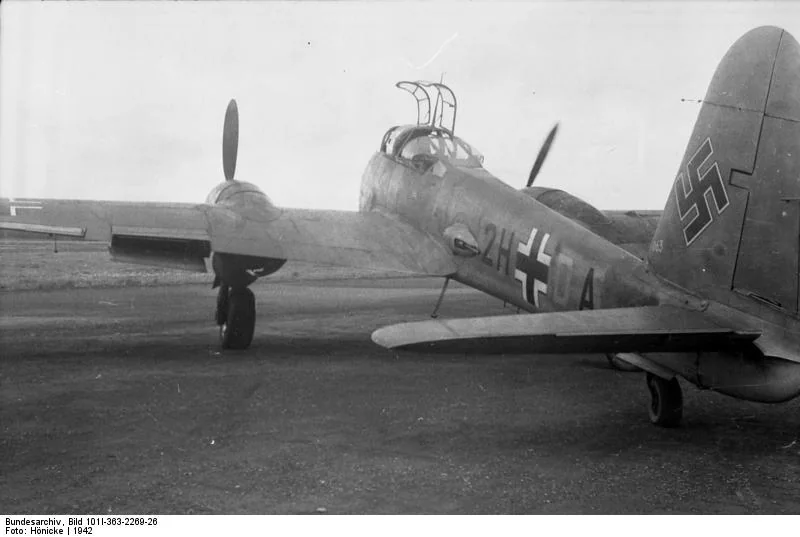
A German twin-engine heavy fighter intended to replace the Bf 110 but troubled by serious development problems.
Open aircraft profile →
A long-range Japanese carrier fighter that became the best-known Imperial Japanese Navy fighter of the Pacific War.
Open aircraft profile →
A lightweight Japanese Army fighter emphasizing maneuverability and range.
Open aircraft profile →
An Italian monoplane fighter developed at the end of the 1930s and exported as well as used by Italian forces.
Open aircraft profile →
An export fighter originally ordered by Sweden and later sent to China, where it saw limited wartime combat.
Open aircraft profile →
A two-seat British carrier fighter operated by the Fleet Air Arm in the early years of World War II.
Open aircraft profile →
A Soviet wooden-structure fighter that became a major early-war production type and the basis for the radial-engine La-5.
Open aircraft profile →
An Italian fighter that combined the C.200 airframe lineage with a licensed Daimler-Benz inline engine.
Open aircraft profile →
A Soviet high-altitude fighter family developed from the I-200 and fielded in substantial numbers as the MiG-3.
Open aircraft profile →
An American fighter whose later Merlin-powered versions became a principal long-range escort fighter over Europe.
Open aircraft profile →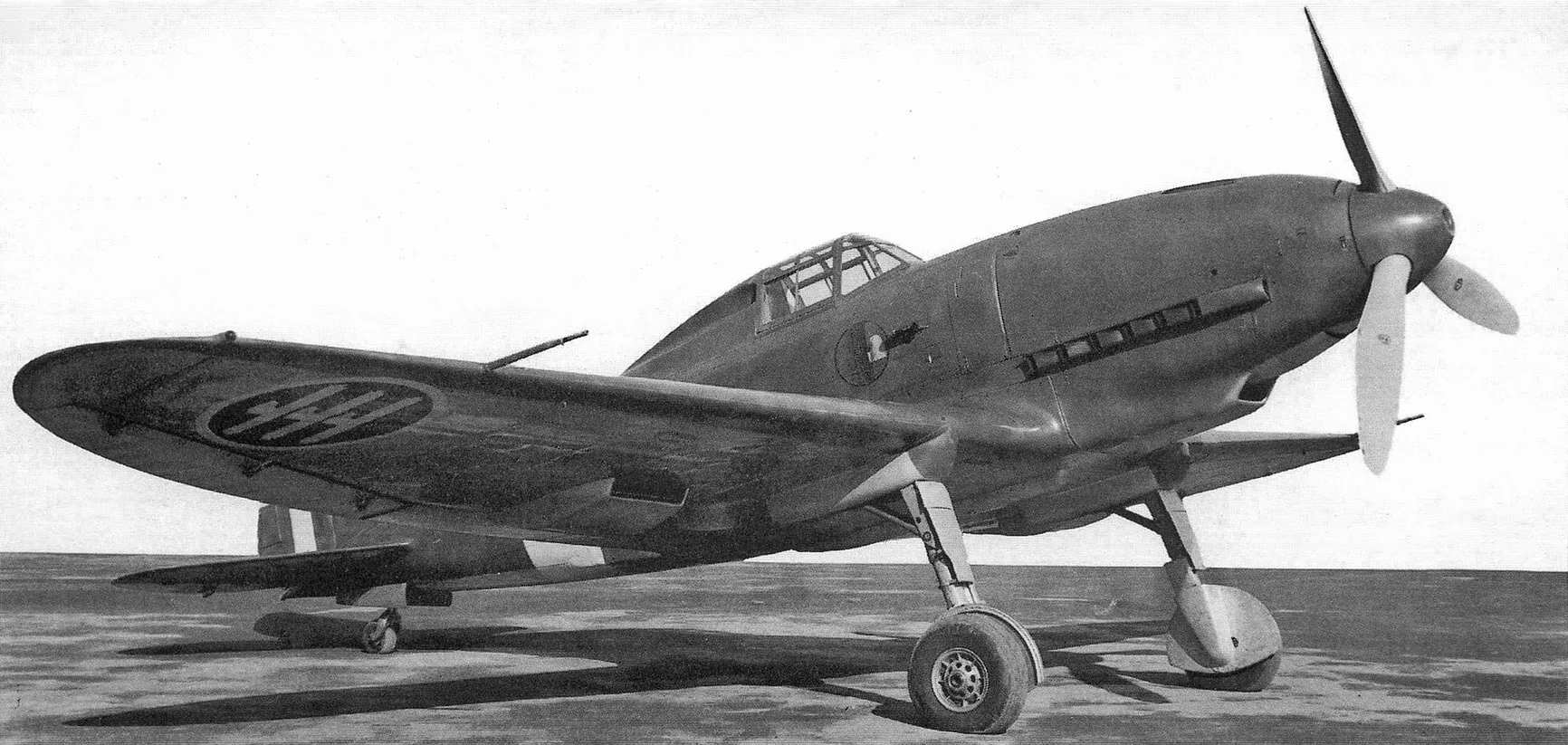
An Italian fighter developed from the Re.2000 with a licensed Daimler-Benz inline engine and multirole adaptations.
Open aircraft profile →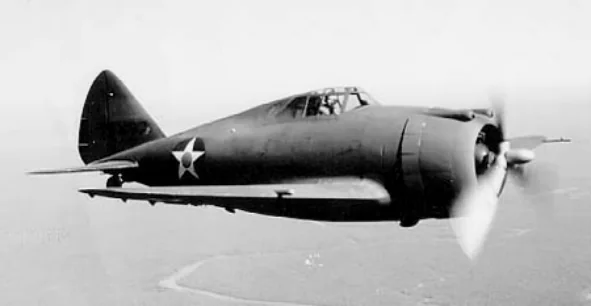
An early Republic fighter that bridged the company’s prewar Seversky lineage and the later P-47 Thunderbolt.
Open aircraft profile →
An American carrier-capable fighter recognized for its inverted-gull wing and later extensive fighter-bomber use.
Open aircraft profile →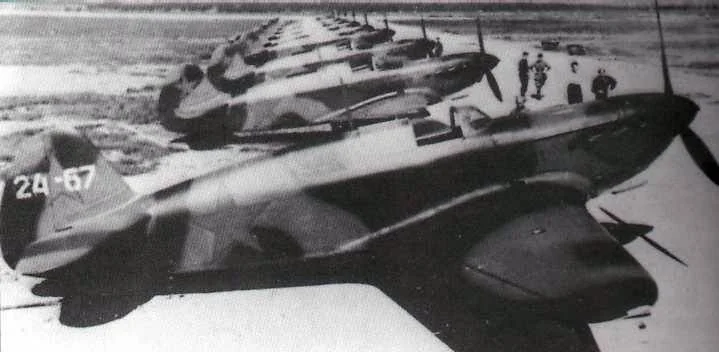
A Soviet single-seat fighter that became one of the foundational Yakovlev wartime fighter types.
Open aircraft profile →
A fighter developed from a two-seat Yak trainer derivative and used widely as a combat type during the early Eastern Front campaigns.
Open aircraft profile →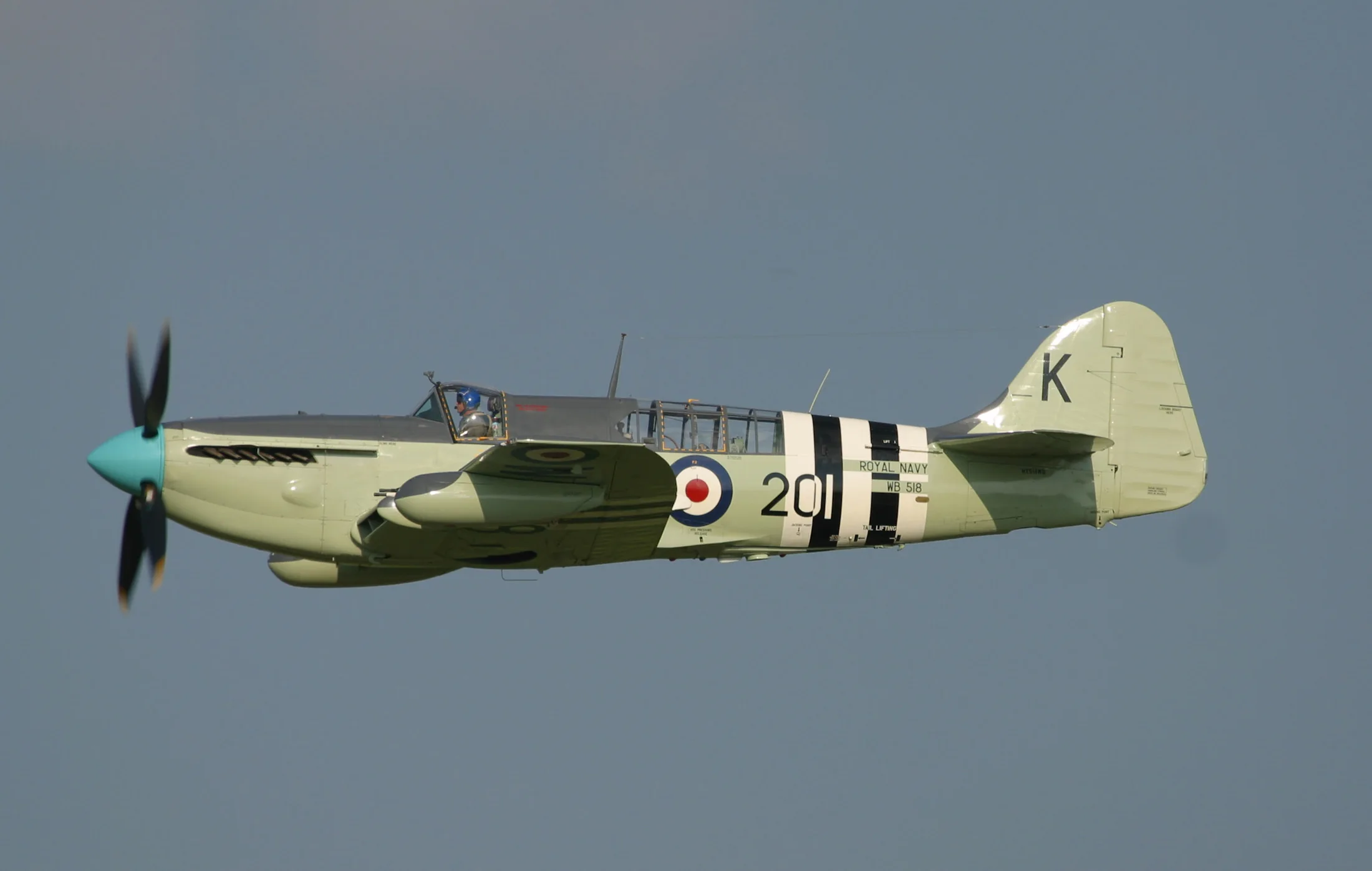
A two-seat British carrier fighter and strike aircraft that entered Fleet Air Arm service during World War II.
Open aircraft profile →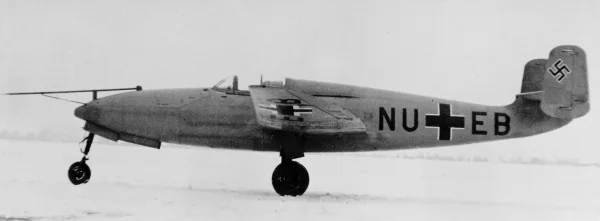
An early twin-jet fighter prototype that preceded the Me 262 but was not selected for production.
Open aircraft profile →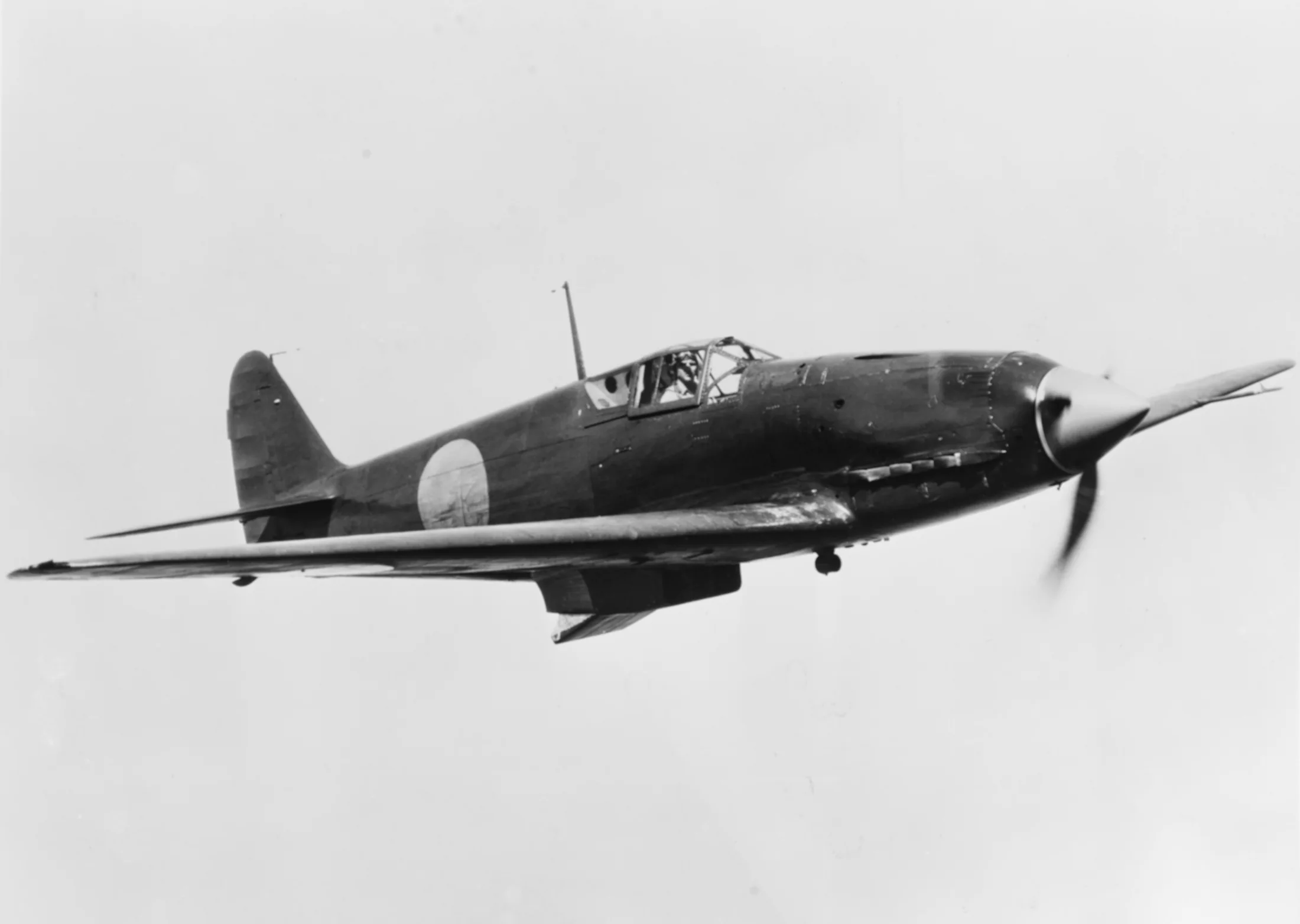
A Japanese Army fighter powered by a licensed liquid-cooled Daimler-Benz-derived engine.
Open aircraft profile →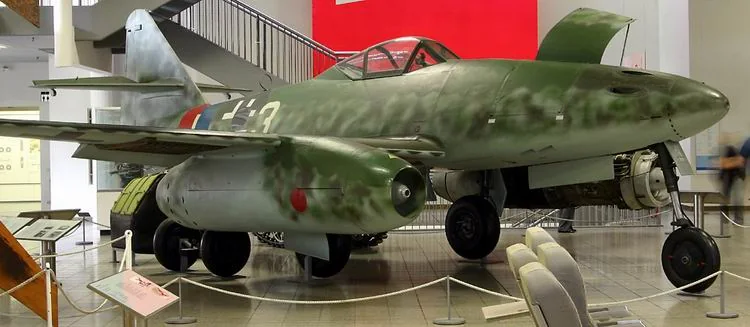
The Me 262 was the first operational jet fighter family, combining swept wings and twin turbojet propulsion with heavy cannon armament while also producing fighter-bomber derivatives.
Open aircraft profile →
A twin-engine Japanese Navy aircraft adapted successfully into a night fighter and used throughout the Pacific War.
Open aircraft profile →
A high-performance Soviet fighter prototype that underwent combat evaluation but did not enter series production.
Open aircraft profile →
A large radial-engine American fighter that combined high-altitude performance with formidable ground-attack capability.
Open aircraft profile →
A Finnish indigenous fighter that entered service during the Continuation War and was used primarily in reconnaissance and interception roles.
Open aircraft profile →
America’s first jet-powered fighter aircraft, produced in small numbers primarily for evaluation and training rather than combat.
Open aircraft profile →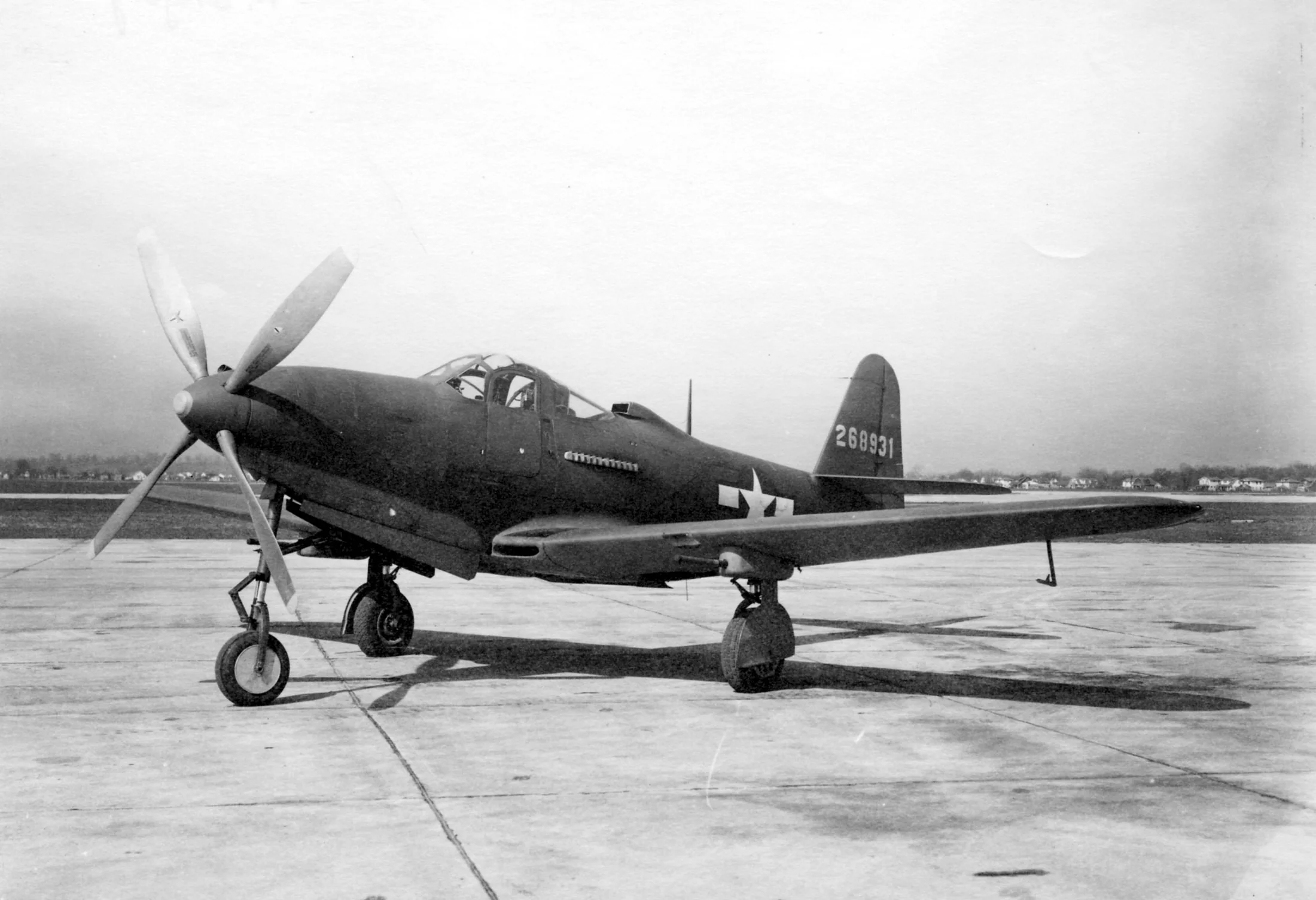
An American fighter developed from the Airacobra configuration with extensive redesign and improved performance.
Open aircraft profile →
An Australian-designed wartime fighter developed rapidly from the Wirraway industrial base and later used effectively for army cooperation.
Open aircraft profile →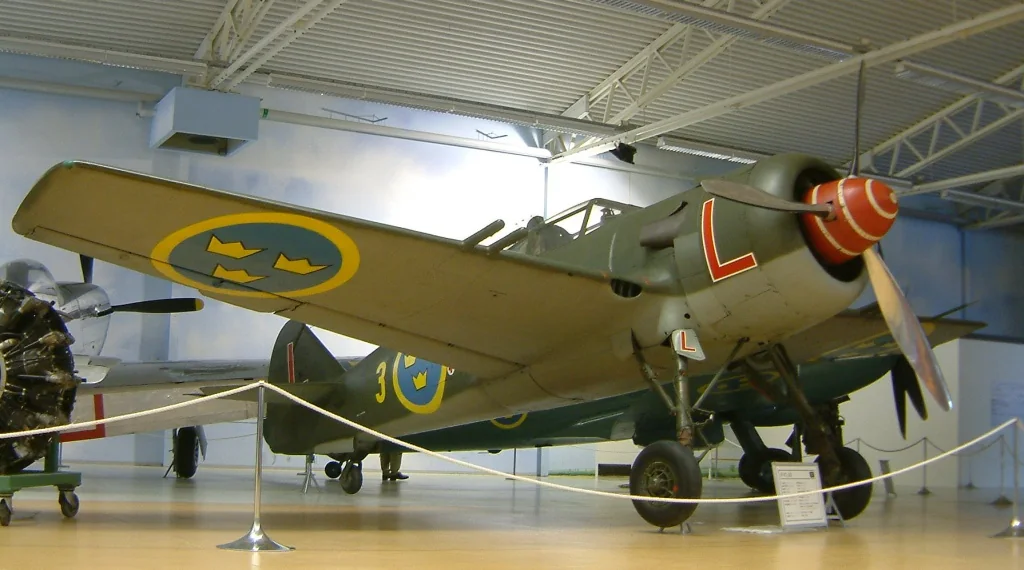
A Swedish domestically produced fighter created to reduce dependence on wartime foreign aircraft supply.
Open aircraft profile →
A high-performance Italian fighter of the Series 5 generation powered by the DB 605 family of engines.
Open aircraft profile →
An American carrier fighter designed for high-volume wartime production and fleet air superiority in the Pacific.
Open aircraft profile →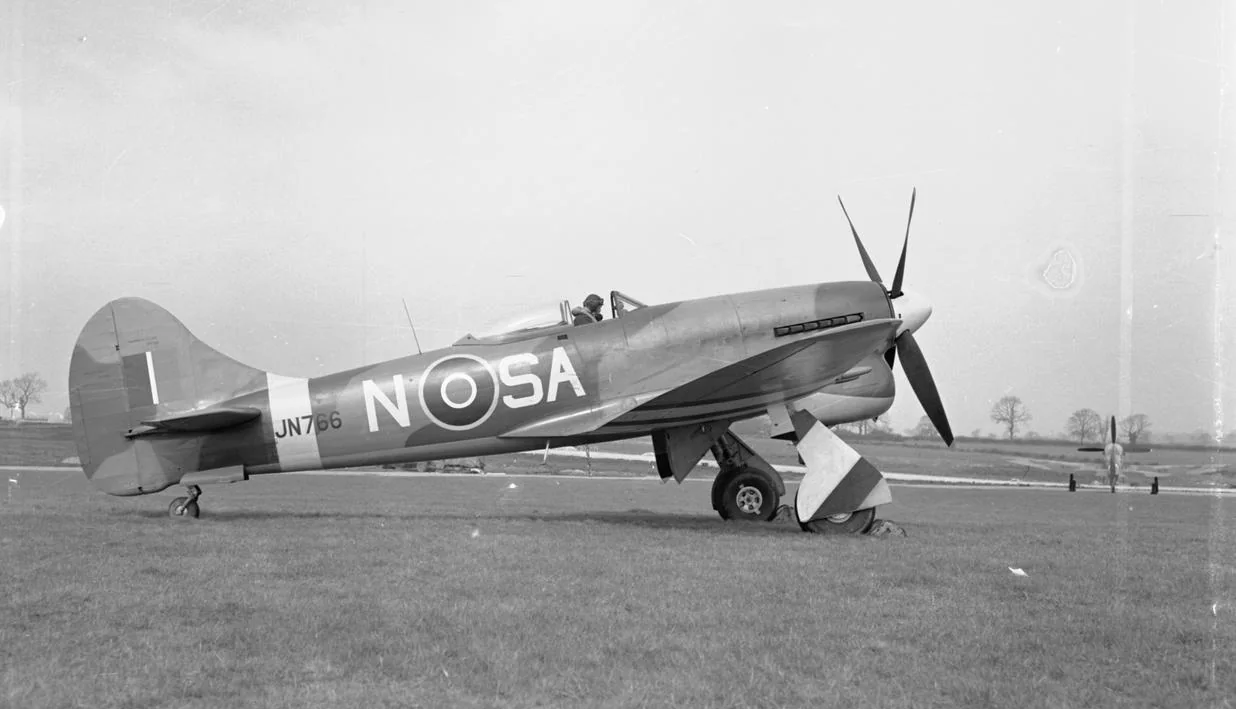
A high-performance British fighter developed from the Typhoon concept and used for air superiority and ground attack.
Open aircraft profile →
An advanced German twin-engine radar-equipped night fighter developed during World War II.
Open aircraft profile →
A Japanese Navy fighter family that evolved from the N1K float fighter into the land-based N1K-J Shiden and Shiden-Kai.
Open aircraft profile →
A radial-engine Soviet fighter developed from the LaGG-3 airframe and introduced during the fighting of 1942.
Open aircraft profile →
A late-war Italian fighter developed from the C.202 around the more powerful Daimler-Benz DB 605 engine.
Open aircraft profile →
A substantially revised German heavy fighter and fast bomber developed from the Me 210 program.
Open aircraft profile →
A purpose-designed American radar-equipped night fighter developed during World War II.
Open aircraft profile →
An advanced Italian Series 5 fighter that entered limited service in 1943.
Open aircraft profile →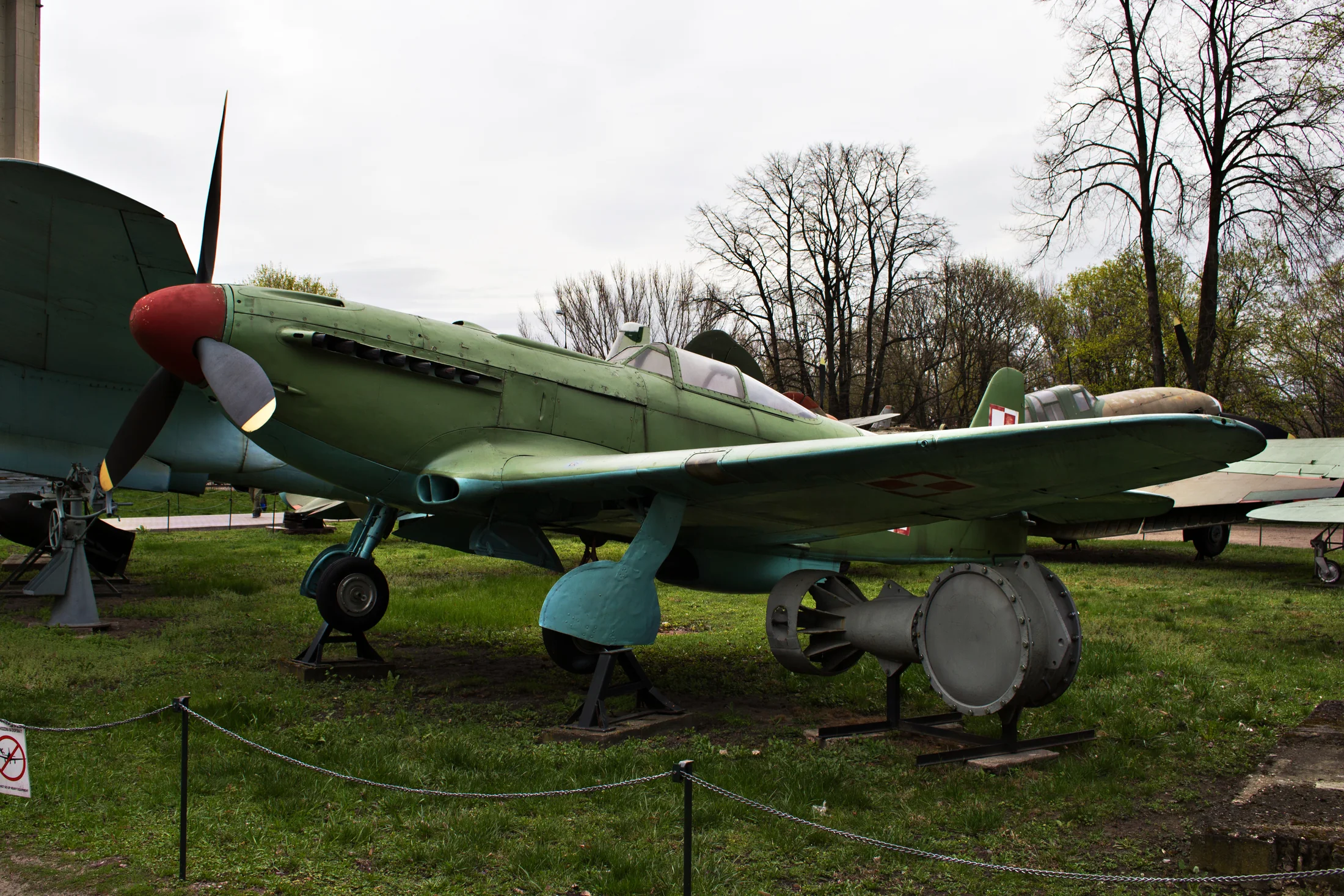
A highly adaptable Soviet fighter family developed from the Yak-7 and produced in numerous range, armament, and mission variants.
Open aircraft profile →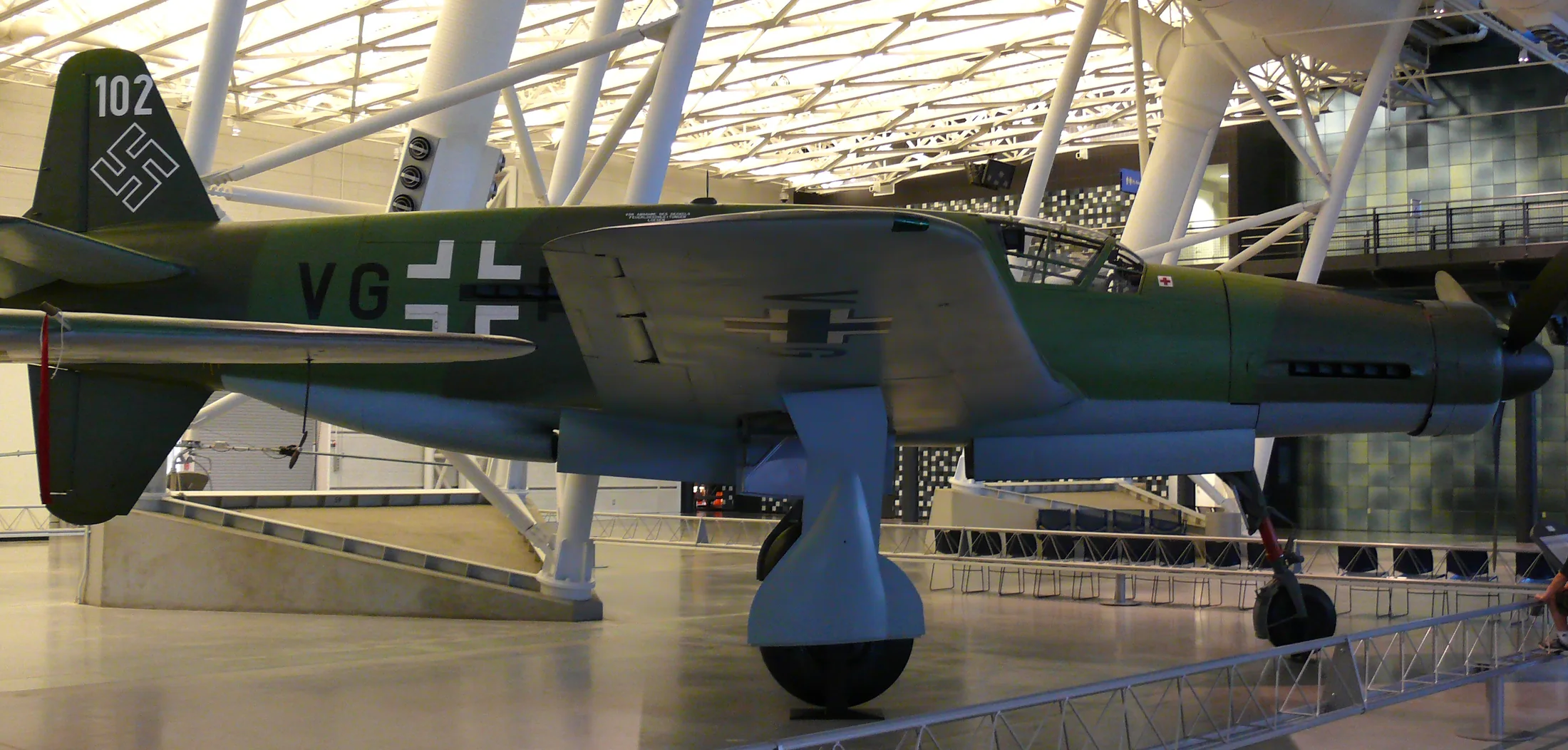
A very fast push-pull twin-engine heavy fighter developed late in the war but not fielded in meaningful operational numbers.
Open aircraft profile →
A twin-engine wooden night-fighter program intended as a German counterpart to the Mosquito but never fielded in effective numbers.
Open aircraft profile →
Britain’s first operational jet fighter, entering Royal Air Force service in 1944 and continuing into the early Cold War.
Open aircraft profile →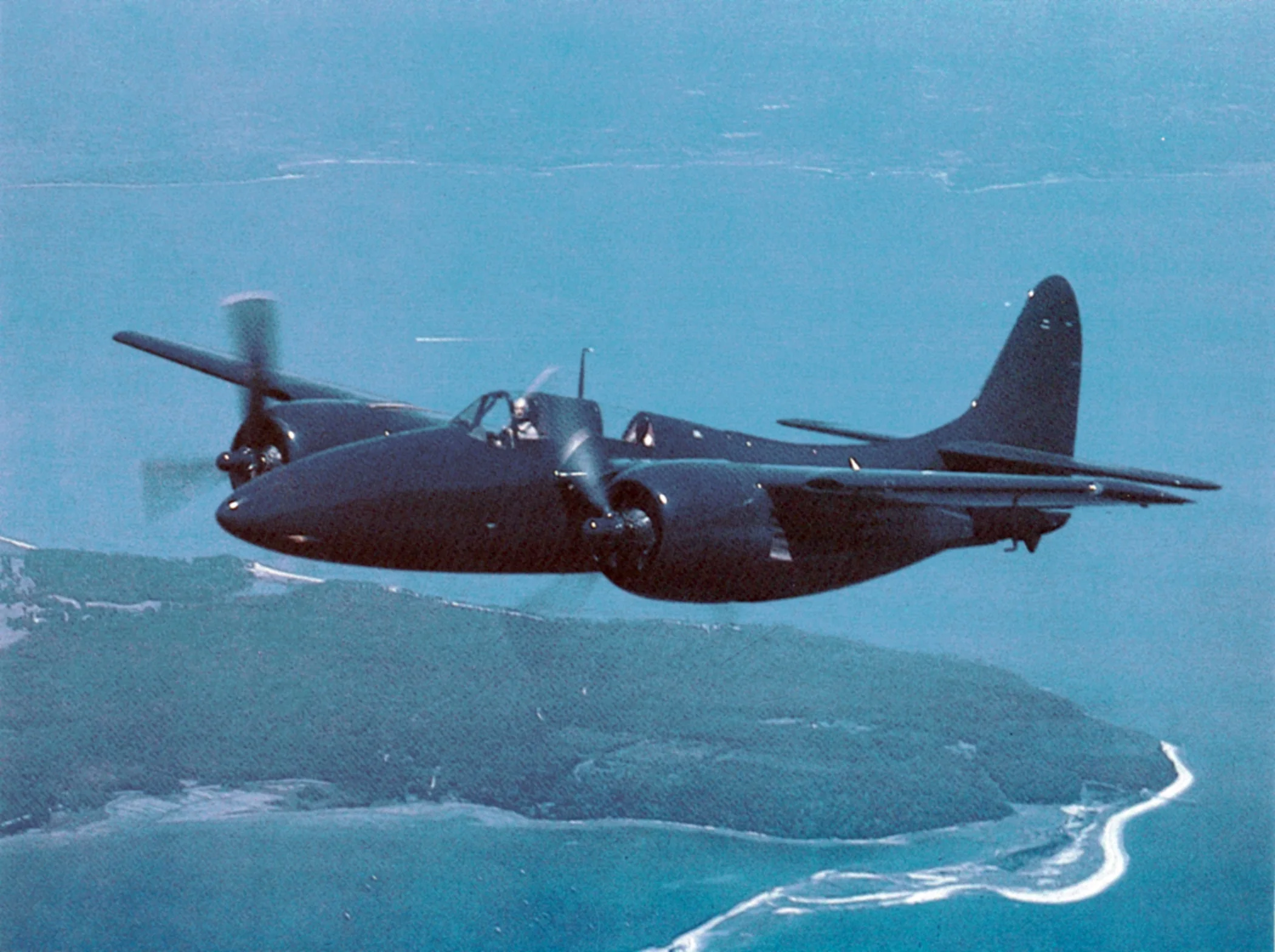
A twin-engine naval fighter developed for large carriers and introduced near the end of World War II.
Open aircraft profile →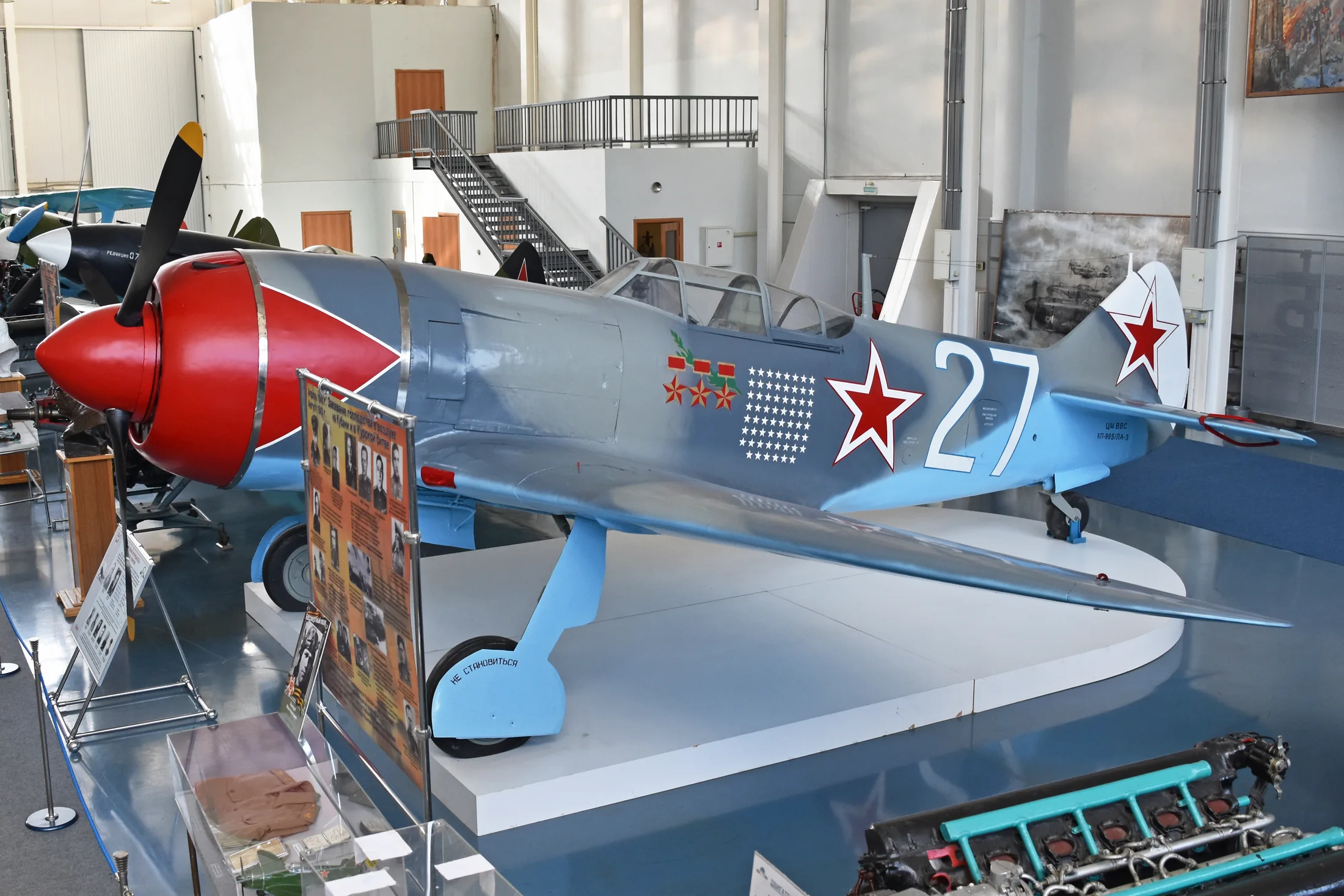
A refined radial-engine Soviet fighter developed from the La-5 and fielded in 1944.
Open aircraft profile →
A high-performance Japanese Army fighter introduced in 1944 and produced in substantial numbers.
Open aircraft profile →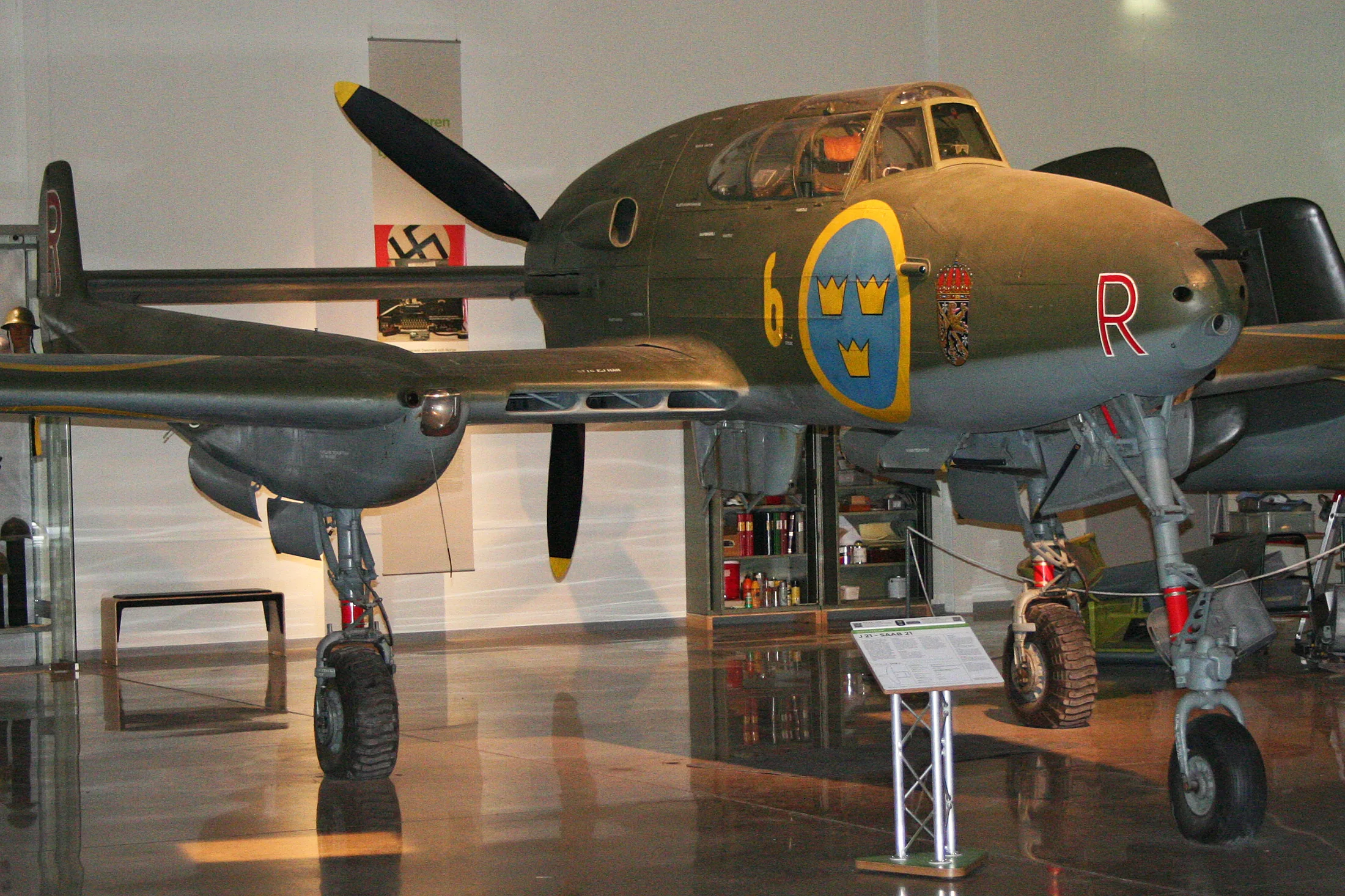
A Swedish pusher-propeller fighter with an ejection seat, later adapted into one of Sweden’s earliest jet fighters.
Open aircraft profile →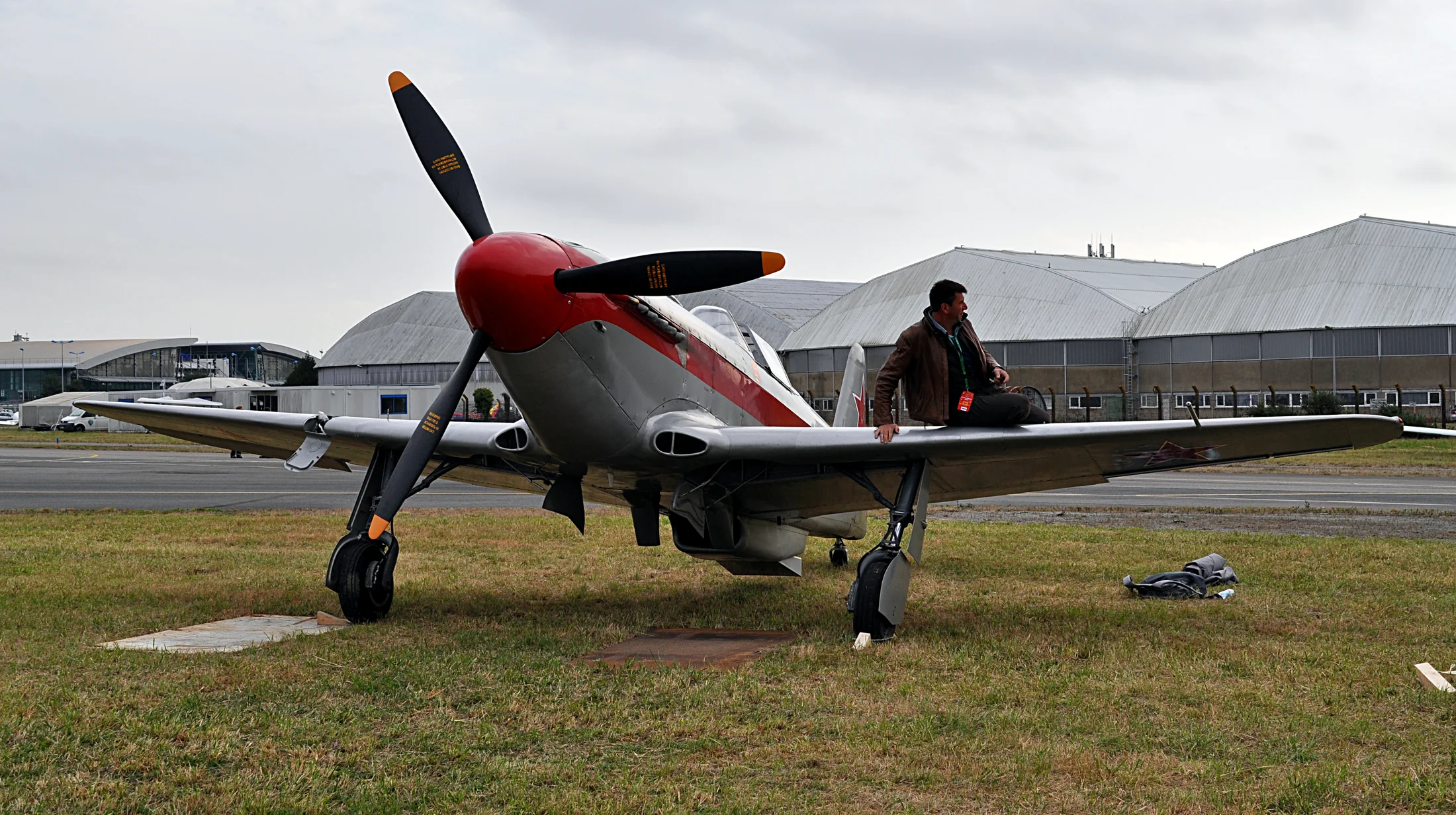
A lightweight Soviet fighter optimized for low- and medium-altitude air combat and introduced in 1944.
Open aircraft profile →
An early British single-engine jet fighter with twin tail booms that became a major RAF and export type.
Open aircraft profile →
A lightweight wooden fighter prototype pursued as a strategic-material-saving design during World War II.
Open aircraft profile →
A lightweight high-performance carrier fighter that reached U.S. Navy service at the end of World War II.
Open aircraft profile →
A lightweight single-engine jet fighter rushed into production in the final months of World War II.
Open aircraft profile →
A jet-powered flying-wing fighter-bomber prototype developed late in World War II under the Horten brothers’ design direction.
Open aircraft profile →
A Japanese Army twin-engine heavy fighter developed for ground attack, interception, and night-fighter roles.
Open aircraft profile →
The first operational American jet fighter family, developed during World War II and fielded as the Army Air Forces transitioned to jet propulsion.
Open aircraft profile →
A high-performance Japanese Army long-range heavy fighter prototype whose development ended with the war.
Open aircraft profile →
A U.S. Navy mixed-propulsion carrier fighter combining a piston engine with a turbojet for additional speed.
Open aircraft profile →
A late-war laminar-wing fighter developed from the Spitfire program but overtaken by the transition to jets.
Open aircraft profile →
A fast twin-engine long-range fighter developed during World War II and entering Royal Air Force service immediately afterward.
Open aircraft profile →
A powerful carrier fighter developed at the end of World War II and entering Fleet Air Arm service in the early Cold War.
Open aircraft profile →
A radial-engine fighter created by adapting Ki-61 airframes after shortages of the original liquid-cooled engine.
Open aircraft profile →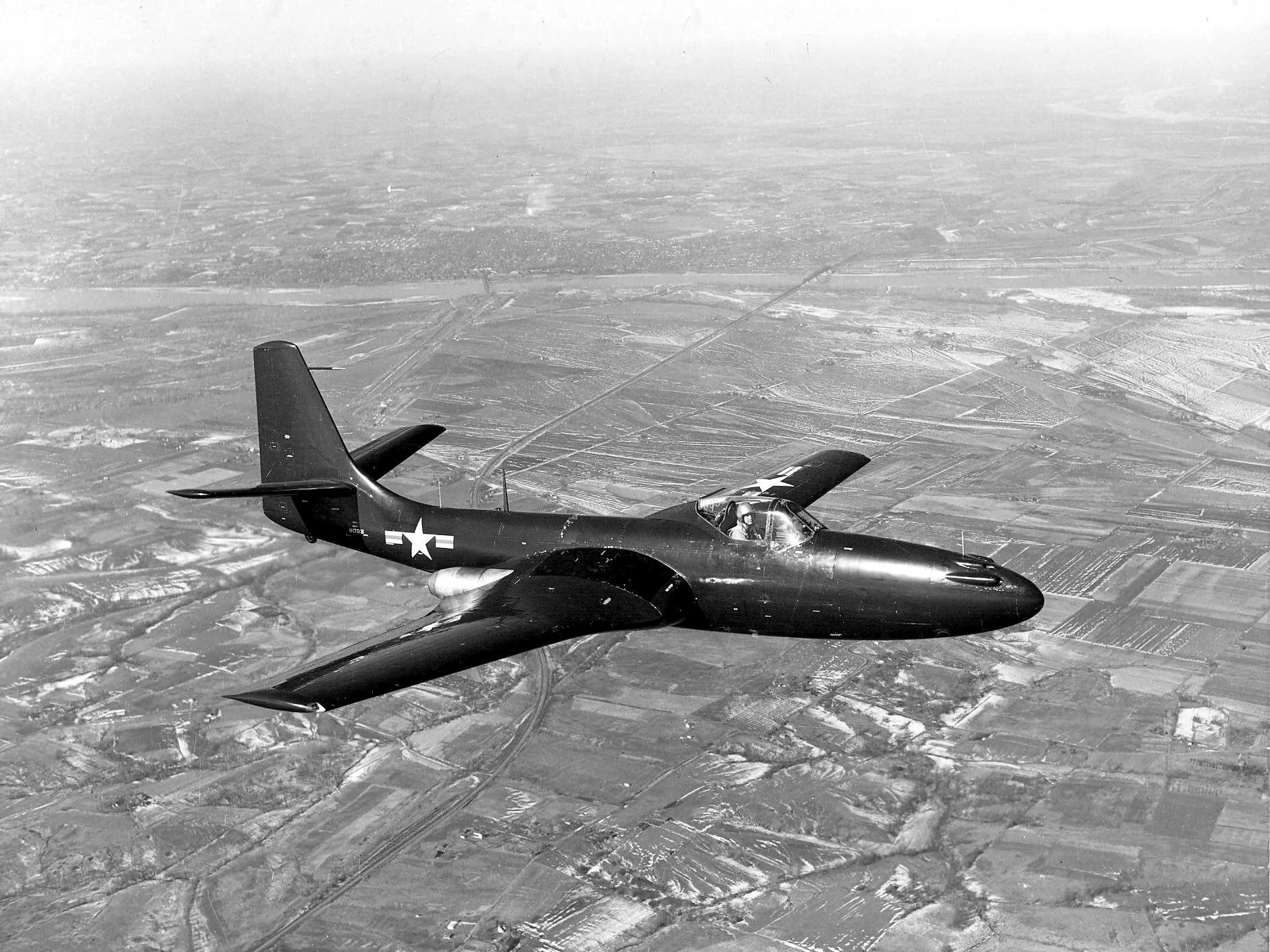
The U.S. Navy’s first operational all-jet carrier fighter and the starting point for McDonnell’s early naval-jet lineage.
Open aircraft profile →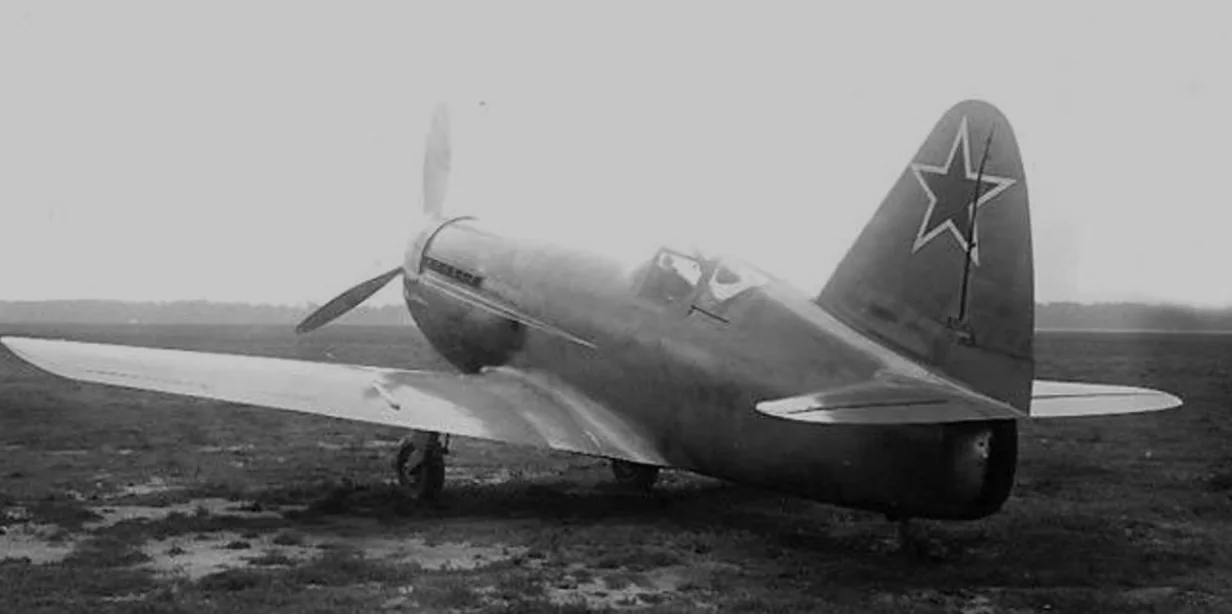
A late-war Soviet mixed-power fighter prototype combining a piston engine with a motorjet booster.
Open aircraft profile →
A twin-fuselage long-range fighter derived from Mustang technology and used as an early postwar escort and radar-equipped night fighter.
Open aircraft profile →
An advanced Australian piston-fighter prototype developed at the end of World War II and flown in 1946.
Open aircraft profile →
Vought’s first jet fighter, produced in small numbers for evaluation and fleet development rather than front-line combat.
Open aircraft profile →
One of the Soviet Union’s first operational jet fighters, developed rapidly from wartime jet-engine experience.
Open aircraft profile →
A U.S. Navy fighter family whose later swept-wing versions adapted Sabre technology for carrier operations.
Open aircraft profile →
A long-lived Republic jet family spanning the straight-wing Thunderjet and the substantially redesigned swept-wing Thunderstreak, used heavily in fighter-bomber roles.
Open aircraft profile →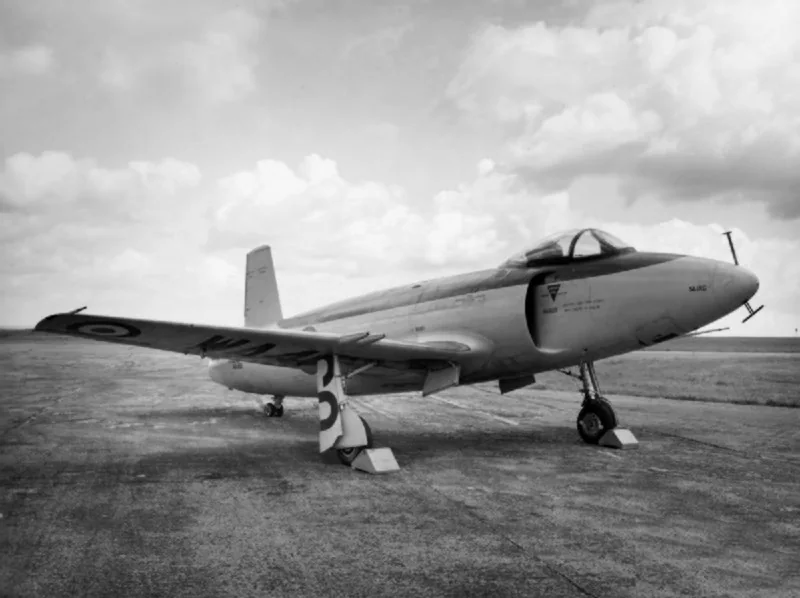
The Fleet Air Arm’s first operational jet fighter, combining a jet fuselage with a wing derived from the Spiteful.
Open aircraft profile →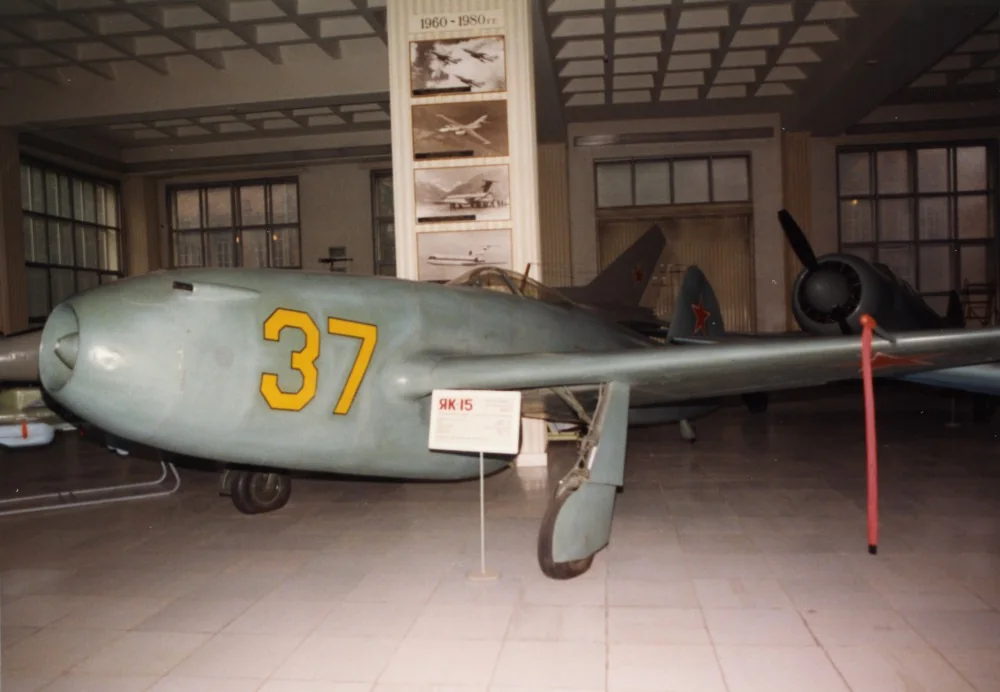
An early Soviet jet fighter adapting a German-derived turbojet to an airframe closely related to the Yak-3.
Open aircraft profile →
A Grumman naval jet family beginning with the straight-wing Panther and evolving into the swept-wing Cougar, with extensive fighter and attack use.
Open aircraft profile →
A single-engine Fleet Air Arm jet fighter and fighter-bomber developed from Hawker’s early postwar jet studies.
Open aircraft profile →
A twin-engine carrier fighter that succeeded the FH Phantom and served in fighter, strike, and reconnaissance roles during the early Cold War.
Open aircraft profile →
A swept-wing jet fighter that became one of the defining combat aircraft of the early Cold War and Korean War.
Open aircraft profile →
A swept-wing jet fighter that became the principal U.S. air-superiority fighter of the Korean War and a major early-NATO type.
Open aircraft profile →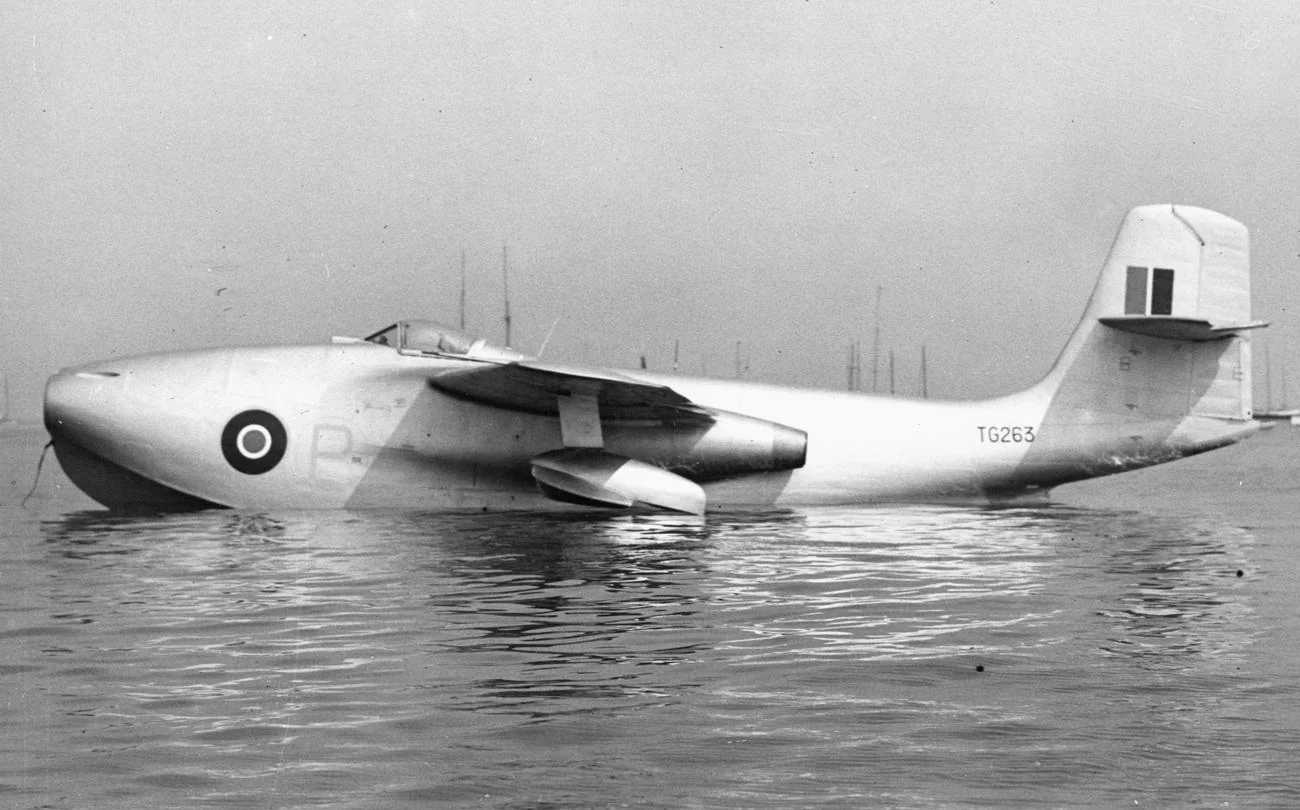
An experimental jet-powered flying-boat fighter developed to explore dispersed operations from sheltered water bases.
Open aircraft profile →
A refined development of the Yak-15 incorporating tricycle landing gear and improved operational features.
Open aircraft profile →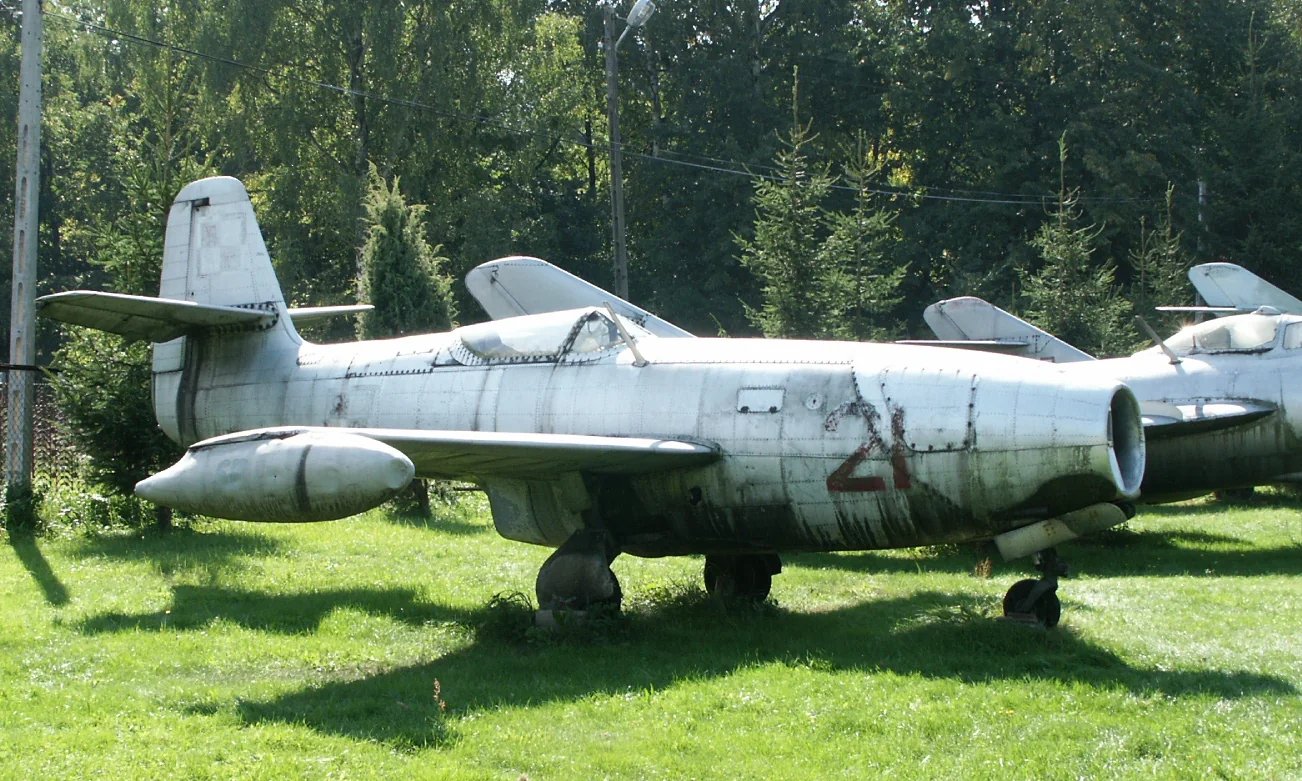
A lightweight early Soviet jet fighter using a nose-intake layout and serving with several Warsaw Pact air forces.
Open aircraft profile →
A two-seat all-weather naval night fighter that achieved notable success during the Korean War.
Open aircraft profile →
A swept-wing Soviet jet fighter contemporary with the MiG-15 but produced in much smaller numbers.
Open aircraft profile →
A long-range penetration-fighter prototype whose design lineage led directly toward the later F-101 Voodoo.
Open aircraft profile →
A swept-wing Swedish jet fighter that entered service in 1951 and established Saab as a major postwar combat-aircraft designer.
Open aircraft profile →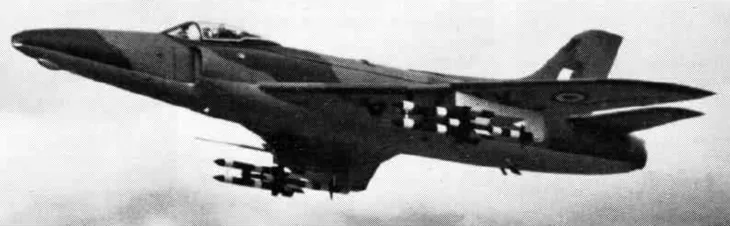
A swept-wing RAF fighter whose short interceptor career was followed by more successful tactical reconnaissance service.
Open aircraft profile →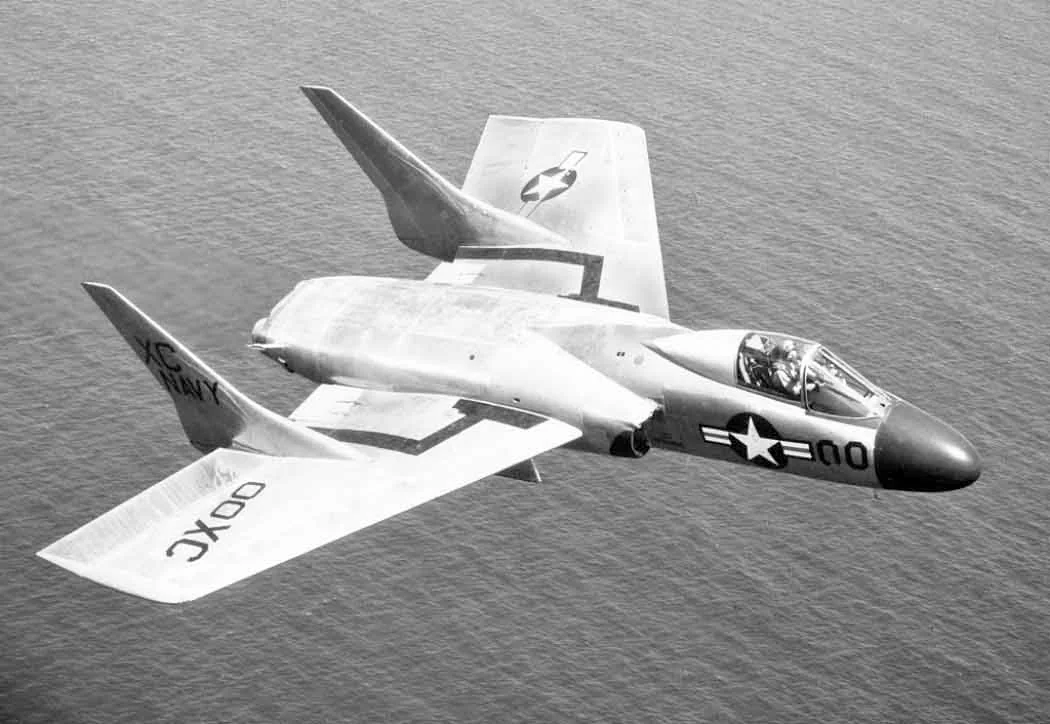
A tailless swept-wing U.S. Navy fighter that embodied ambitious early jet-era carrier-aircraft design.
Open aircraft profile →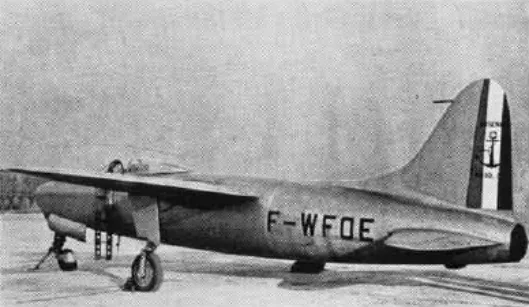
A French carrier-fighter prototype developed for postwar naval requirements.
Open aircraft profile →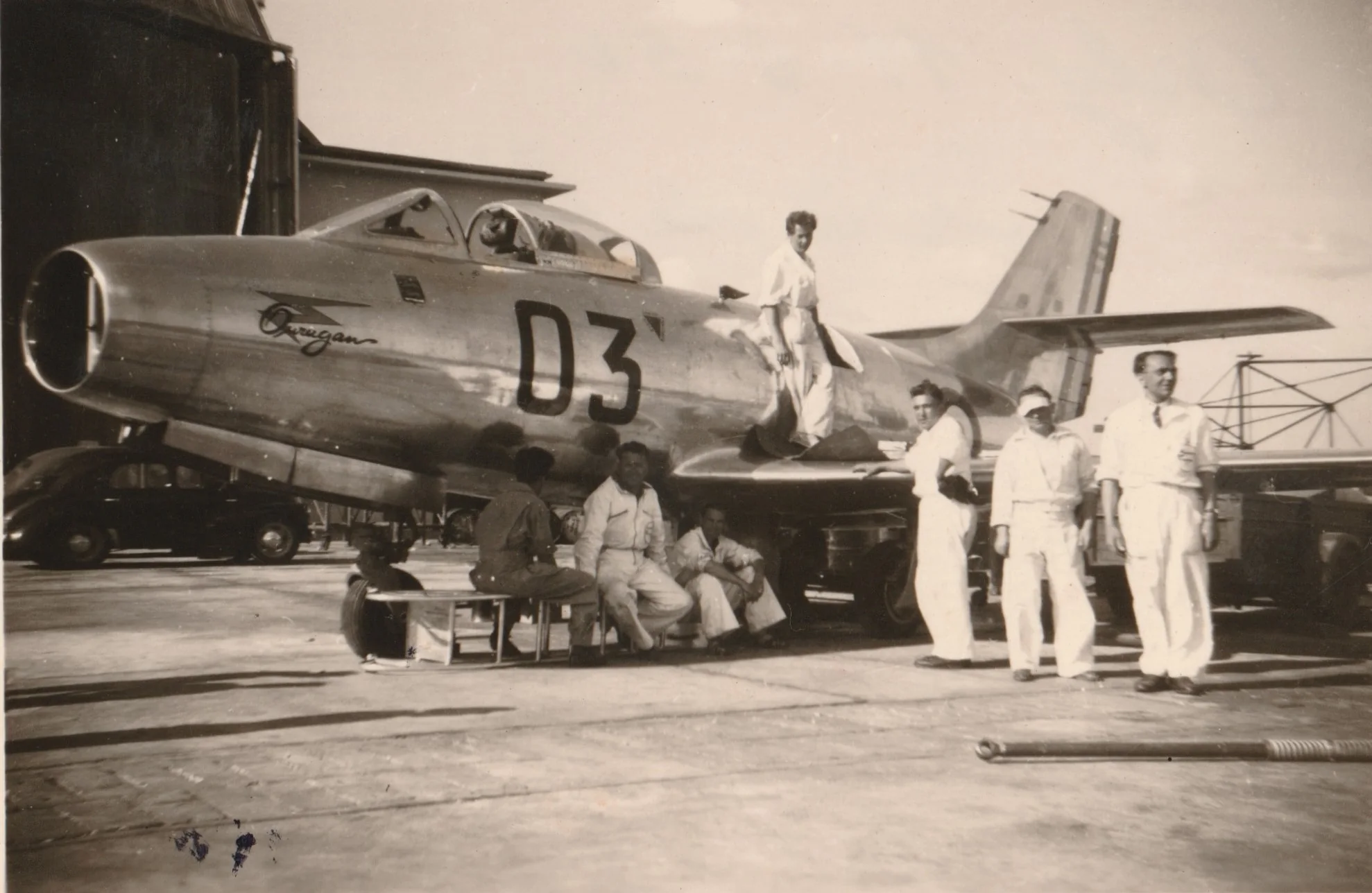
France’s first domestically produced postwar jet fighter and an important foundation for Dassault’s subsequent fighter lineage.
Open aircraft profile →
A Yugoslav postwar piston fighter developed in the aftermath of the Tito–Stalin split and built in two major production forms.
Open aircraft profile →
A French single-engine naval fighter prototype developed for a postwar carrier requirement.
Open aircraft profile →
A more powerful swept-wing development of the Vampire family used in fighter-bomber and night-fighter roles.
Open aircraft profile →
An Argentine swept-wing jet fighter prototype developed with major participation by Kurt Tank and first flown in 1950.
Open aircraft profile →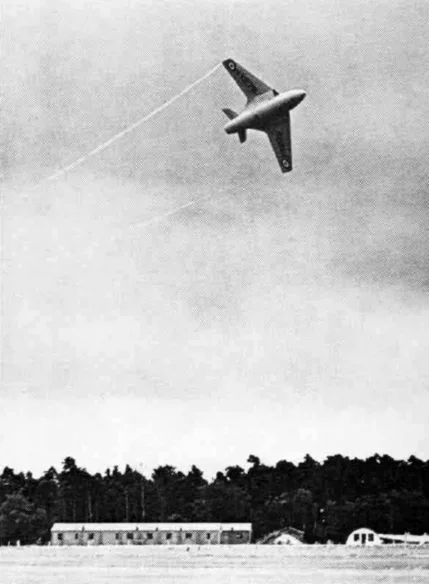
A swept-wing jet fighter prototype developed from the P.1052 and used for high-speed research relevant to later combat aircraft.
Open aircraft profile →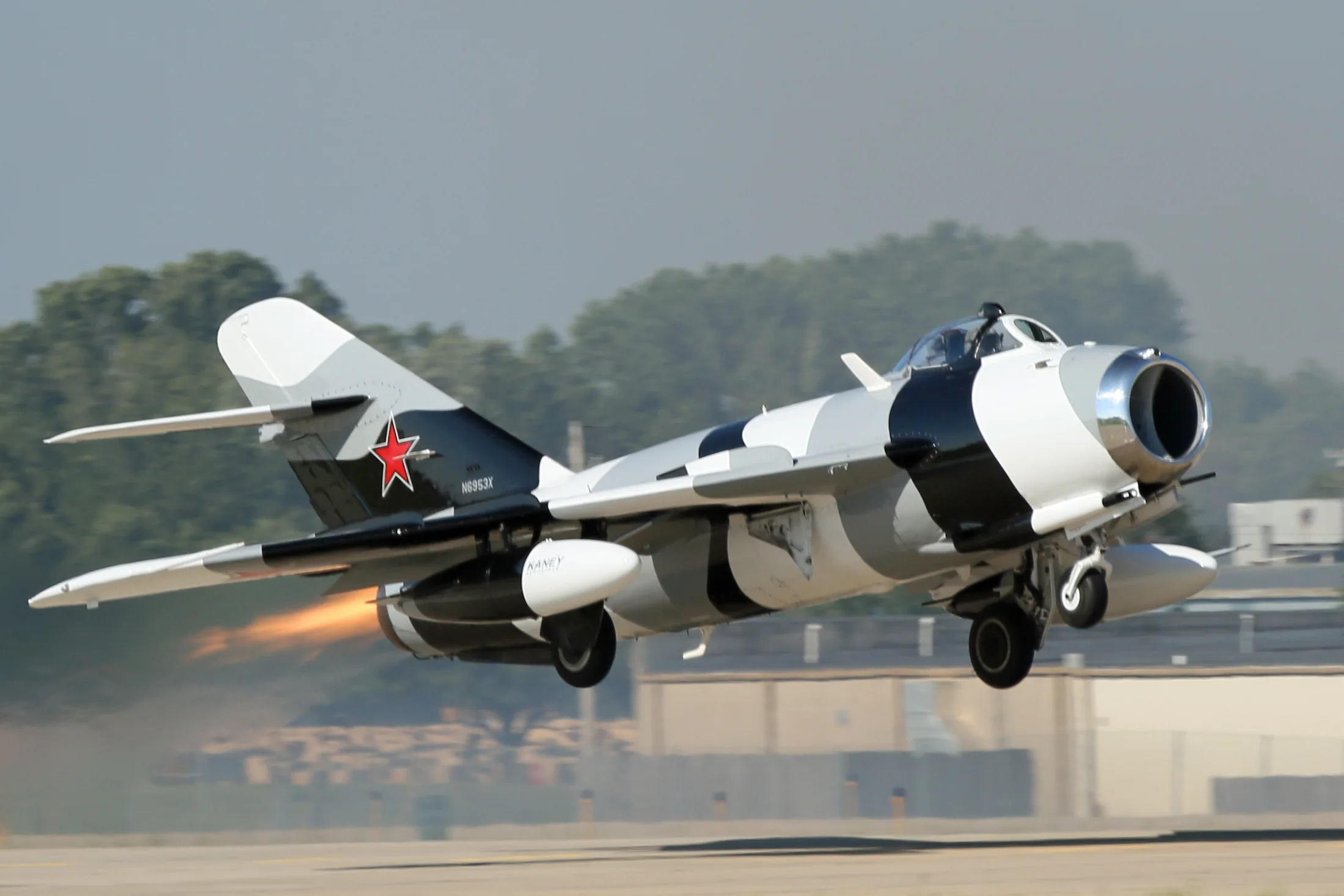
A refined swept-wing fighter developed from the MiG-15 with improved high-speed aerodynamics and later afterburning variants.
Open aircraft profile →
A swept-wing development of the Ouragan and the first French production aircraft to exceed the speed of sound in a dive.
Open aircraft profile →
A transonic swept-wing fighter that became one of Britain’s principal postwar day fighters and a major export success.
Open aircraft profile →
A swept-wing carrier fighter and interceptor that helped establish the configuration lineage leading toward the later Phantom II.
Open aircraft profile →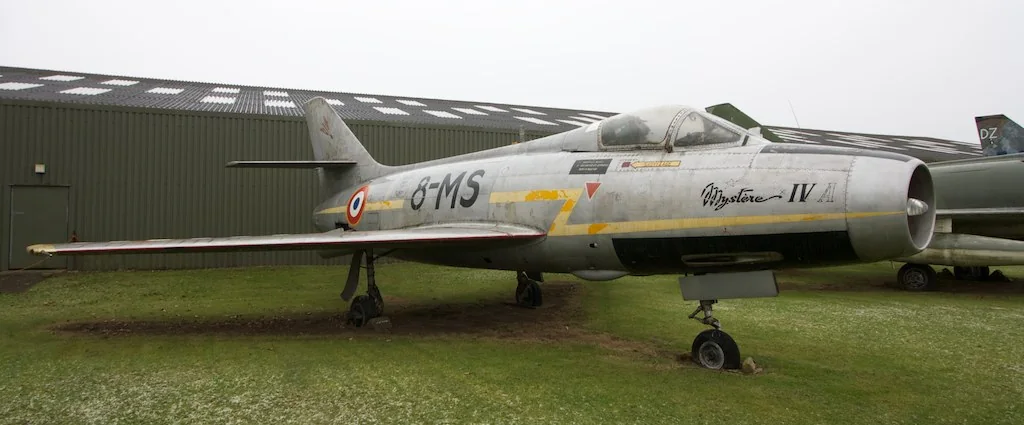
A substantially refined French swept-wing fighter that entered service in 1955 and was exported to Israel and India.
Open aircraft profile →
The Soviet Union’s first production fighter capable of supersonic level flight, entering service in the mid-1950s.
Open aircraft profile →
A tail-sitting vertical-takeoff naval fighter prototype intended to protect ships without conventional flight decks.
Open aircraft profile →
The first U.S. Air Force fighter capable of sustained supersonic flight in level operation, later used extensively as a fighter-bomber.
Open aircraft profile →
A French lightweight fighter prototype designed for dispersed operations without conventional landing gear.
Open aircraft profile →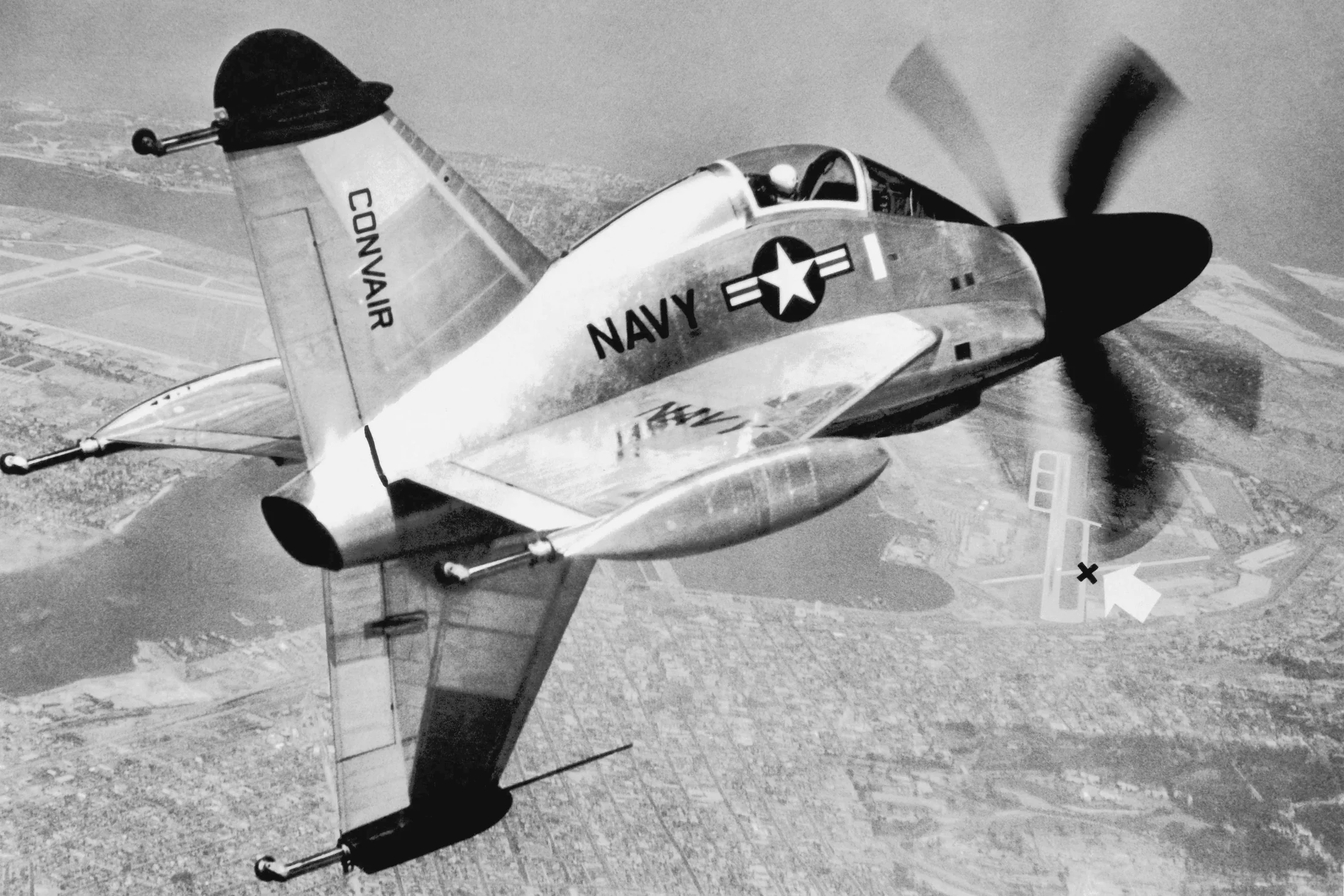
A tail-sitting turboprop naval fighter prototype developed for vertical operation from small platforms.
Open aircraft profile →A lightweight jet fighter demonstrator that validated the concept leading to the production Gnat.
Open aircraft profile →
A lightweight supersonic carrier fighter developed by Grumman for the U.S. Navy.
Open aircraft profile →
A very light jet fighter whose combat career was most significant with the Indian Air Force.
Open aircraft profile →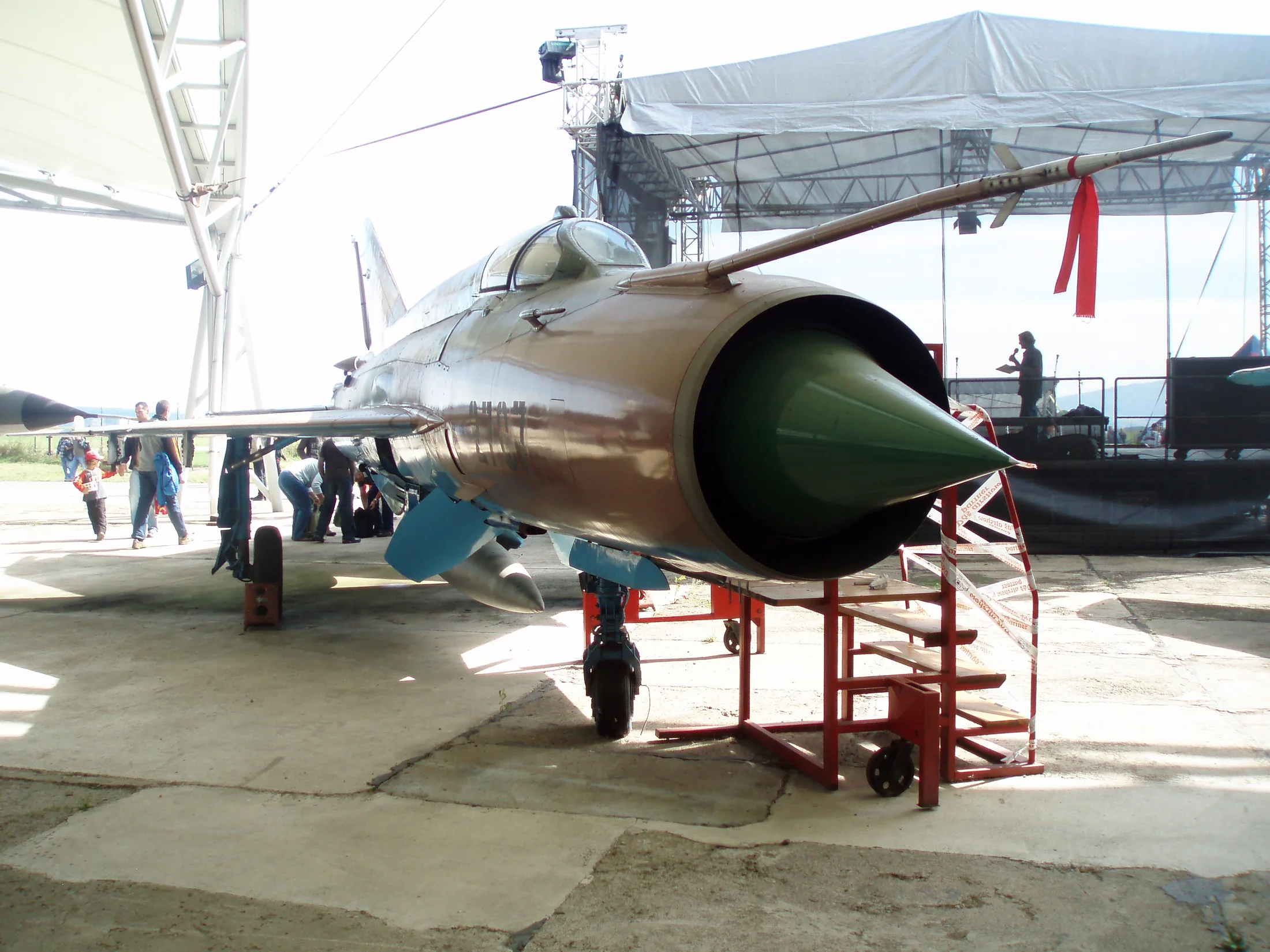
A lightweight supersonic fighter family that became one of the most widely produced combat jets in history.
Open aircraft profile →
A supersonic carrier fighter combining missile armament with four 20 mm cannon and a variable-incidence wing.
Open aircraft profile →
An Italian lightweight swept-wing jet fighter prototype developed from the earlier Sagittario concept.
Open aircraft profile →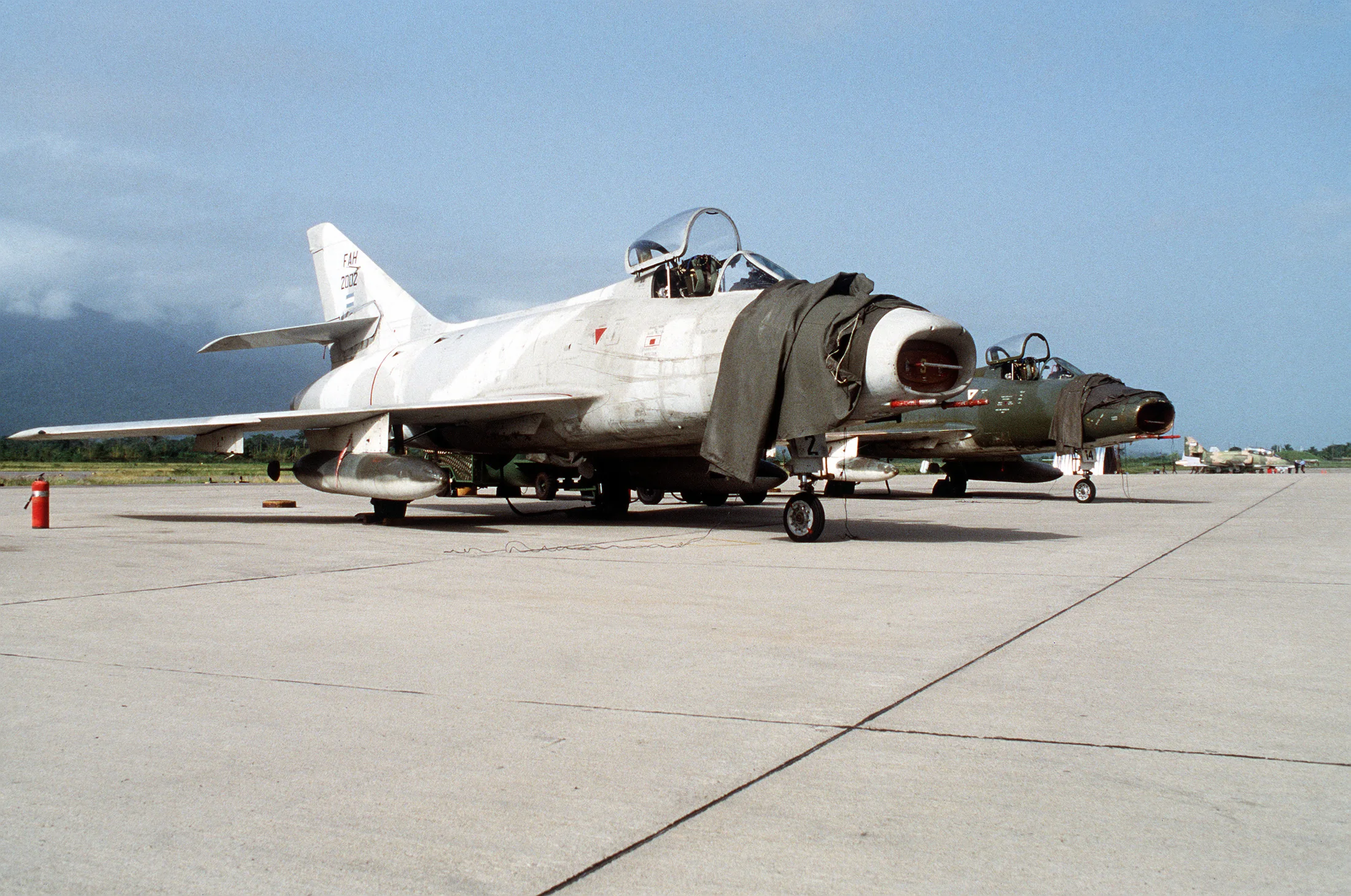
A swept-wing French fighter and the first Western European production aircraft to sustain supersonic level flight.
Open aircraft profile →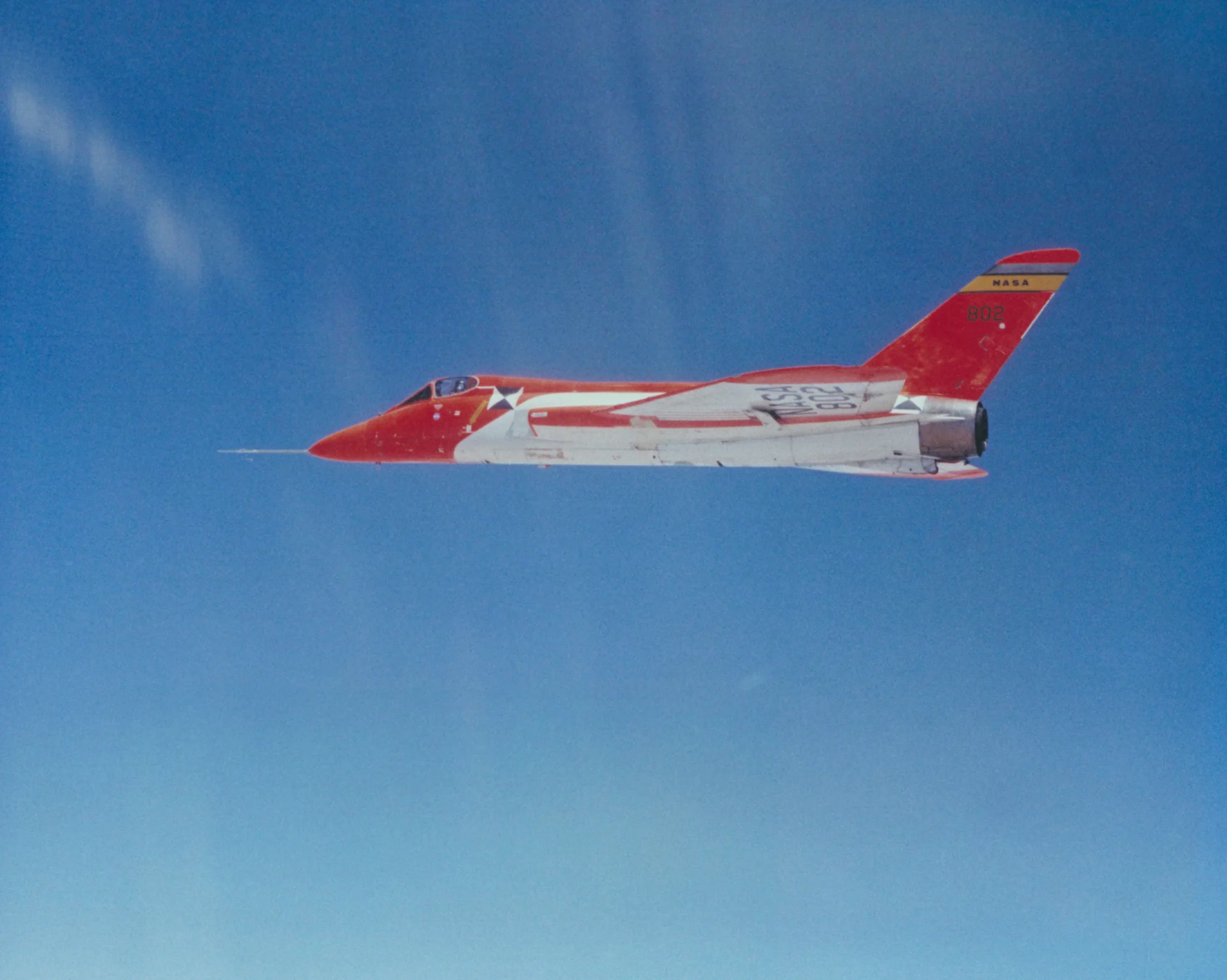
An enlarged supersonic naval fighter development of the Skyray that reached flight test but not production.
Open aircraft profile →
A lightweight supersonic fighter prototype built for NATO’s light tactical strike-fighter competition.
Open aircraft profile →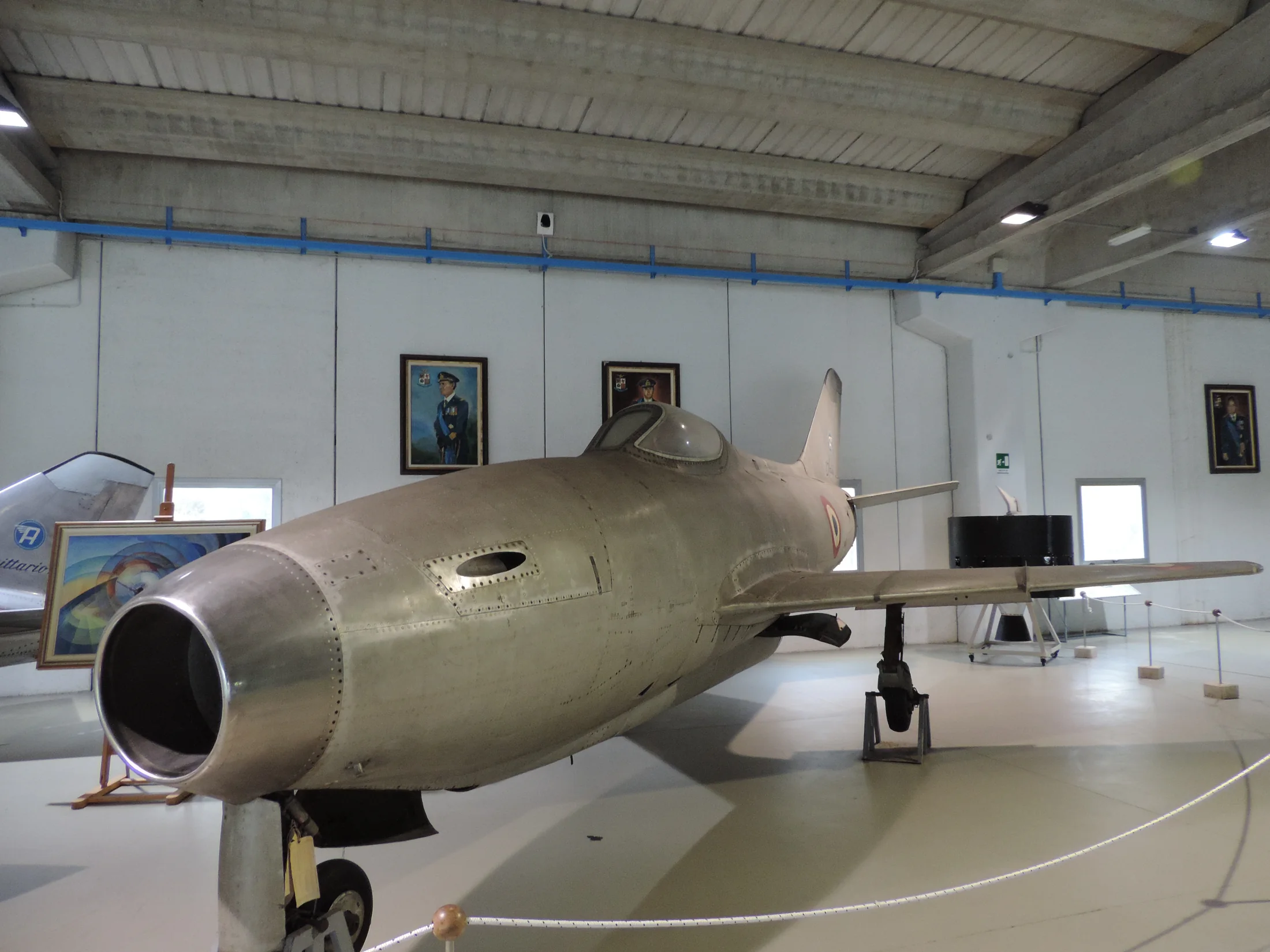
A mixed-power Italian fighter prototype developed as a higher-performance derivative of the Sagittario 2.
Open aircraft profile →
A high-performance naval fighter prototype developed as an advanced successor to the F-8 Crusader.
Open aircraft profile →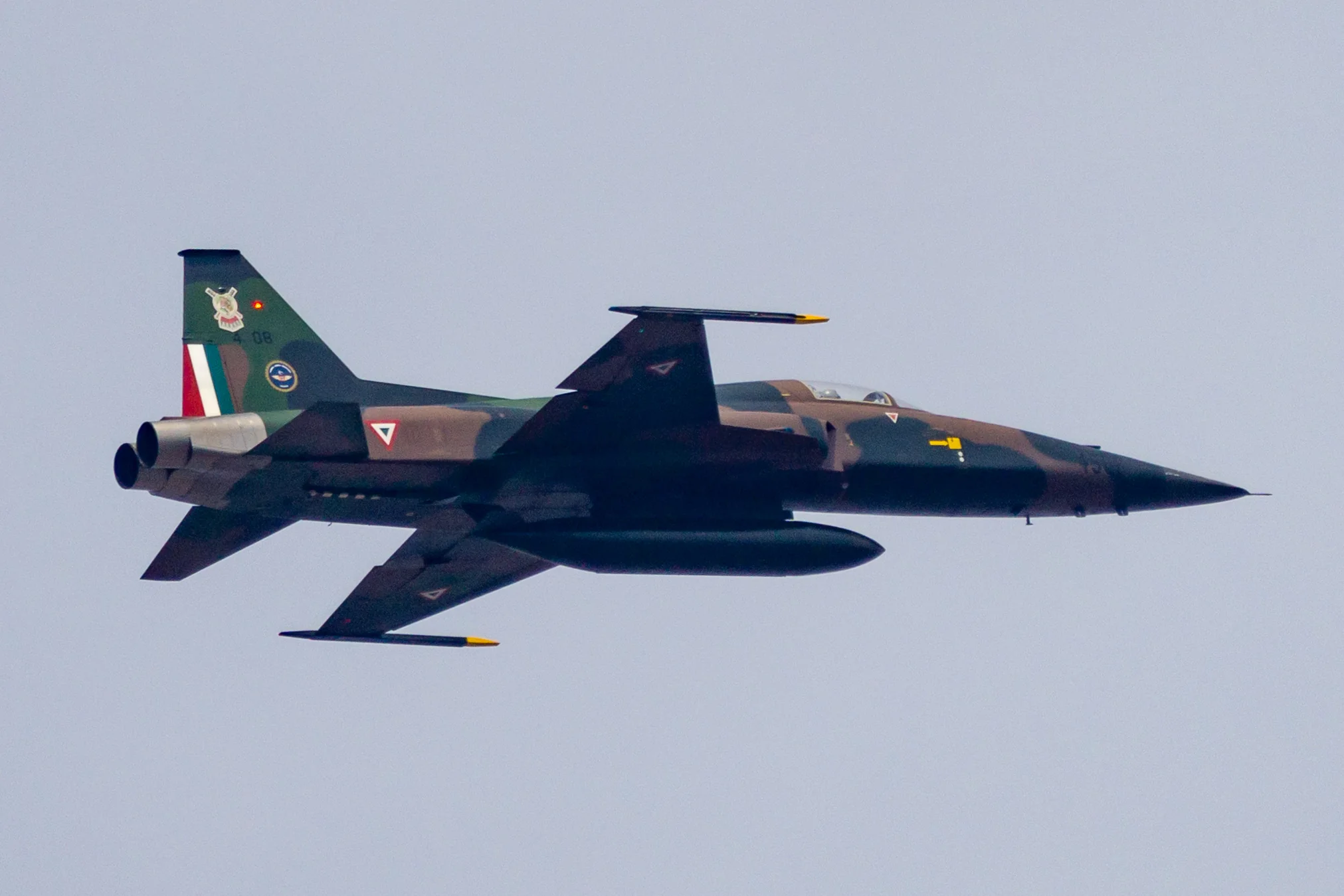
A lightweight supersonic fighter family developed from Northrop’s N-156 design and widely exported.
Open aircraft profile →
A vertical-takeoff experimental combat-aircraft prototype used to investigate lift-engine technology for a future Mirage derivative.
Open aircraft profile →
An advanced fighter prototype derived from the MiG-21 design and used to test a new intake and radar arrangement.
Open aircraft profile →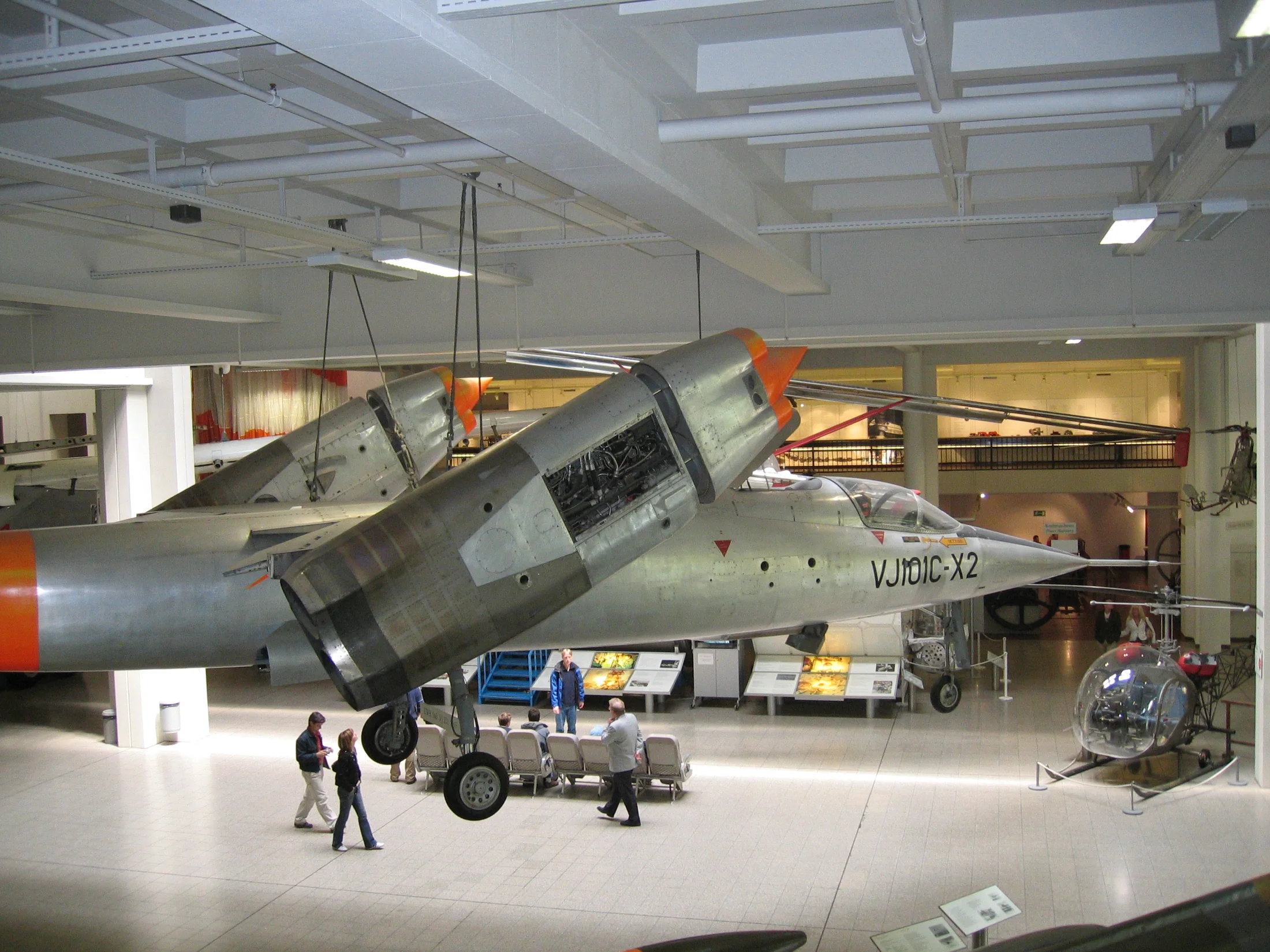
A West German experimental vertical-takeoff fighter prototype developed to explore supersonic VTOL interception.
Open aircraft profile →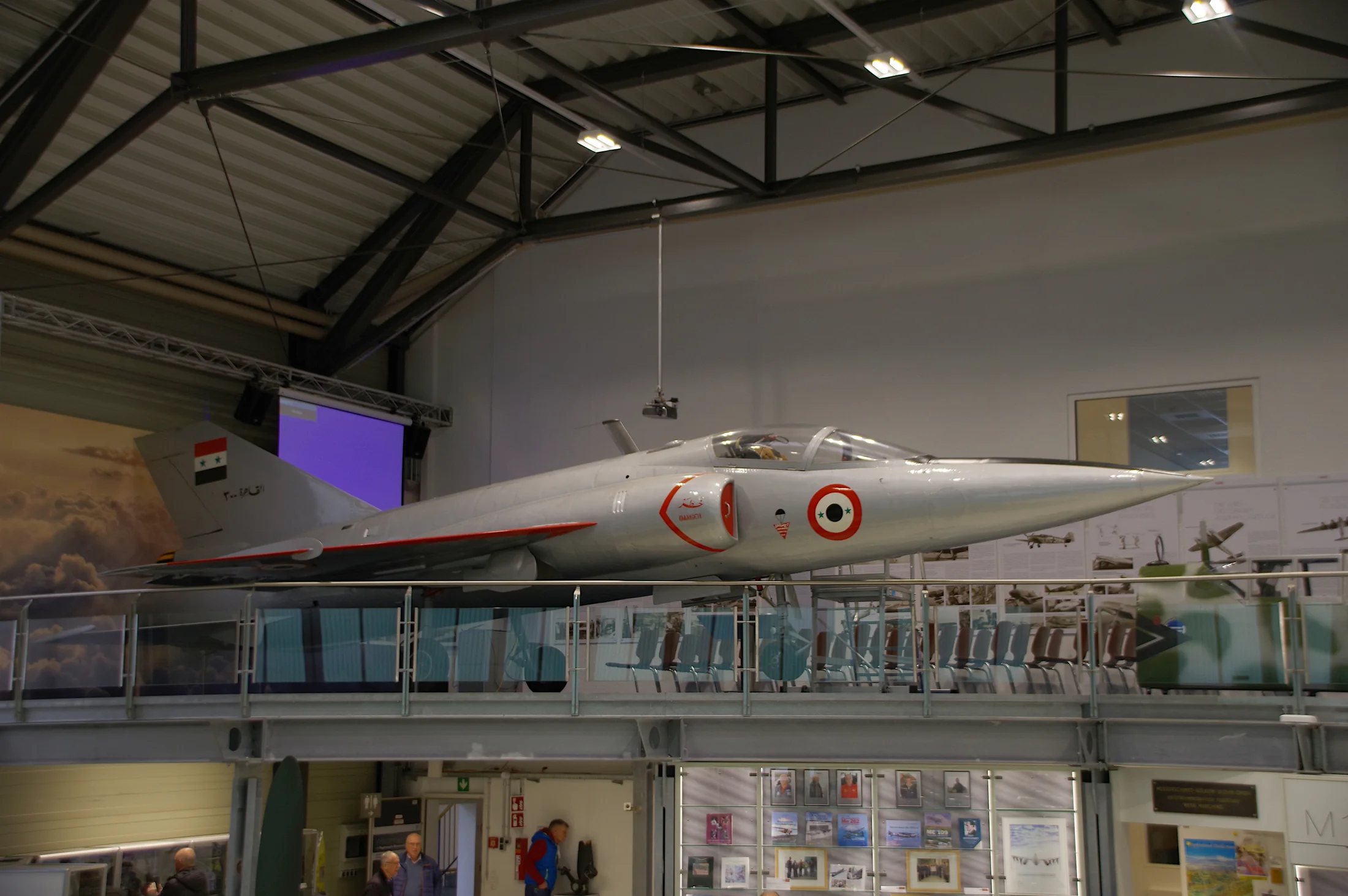
A lightweight supersonic fighter prototype begun in Spain and completed in Egypt under the direction of Willy Messerschmitt.
Open aircraft profile →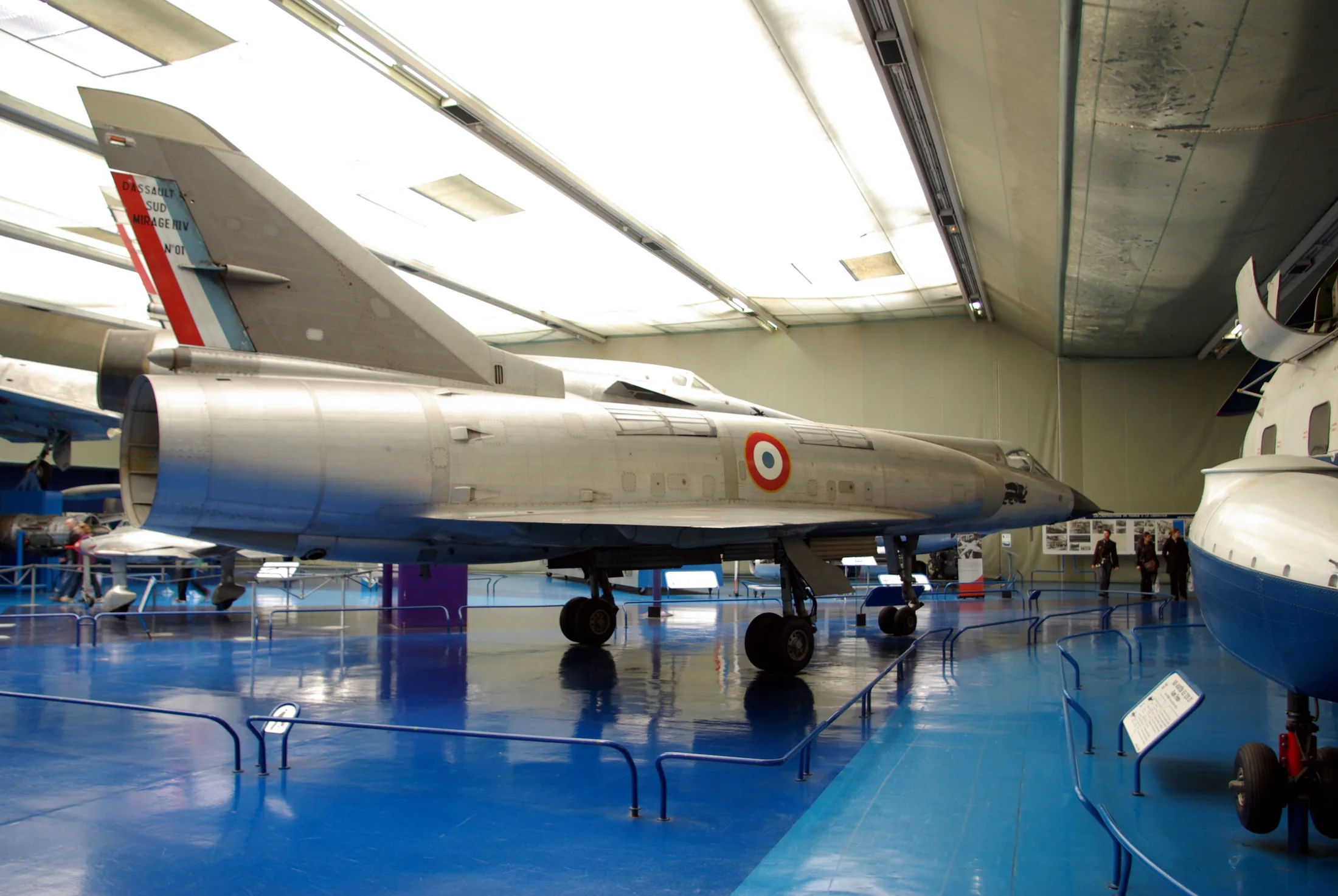
A vertical-takeoff fighter prototype developed around the Mirage III concept and multiple lift engines.
Open aircraft profile →
A Chinese development of the MiG-21 design that became a major domestic and export fighter family.
Open aircraft profile →
A variable-geometry fighter prototype used to explore high-performance swing-wing configurations.
Open aircraft profile →
A variable-geometry supersonic fighter developed to combine high speed with improved field performance and beyond-visual-range interception.
Open aircraft profile →
A variable-sweep carrier fighter developed for long-range fleet defense and air-superiority missions.
Open aircraft profile →
A very lightweight Chinese fighter prototype developed during the late 1960s and early 1970s.
Open aircraft profile →
A twin-engine air-superiority fighter created from the Air Force F-X program and designed around high energy maneuverability and radar-guided combat.
Open aircraft profile →
A twin-engine lightweight fighter prototype developed for the Air Force competition and later forming the design basis for the F/A-18.
Open aircraft profile →
An Indian-developed fighter based on the Gnat, incorporating structural, systems, and handling changes for operational service.
Open aircraft profile →
A twin-engine tactical fighter developed for front-line air-superiority and point-defense missions.
Open aircraft profile →
A long-range twin-engine air-superiority fighter developed as the Soviet response to a new generation of Western fighters.
Open aircraft profile →
A navalized Harrier derivative optimized for fleet air defense and strike from small aircraft carriers.
Open aircraft profile →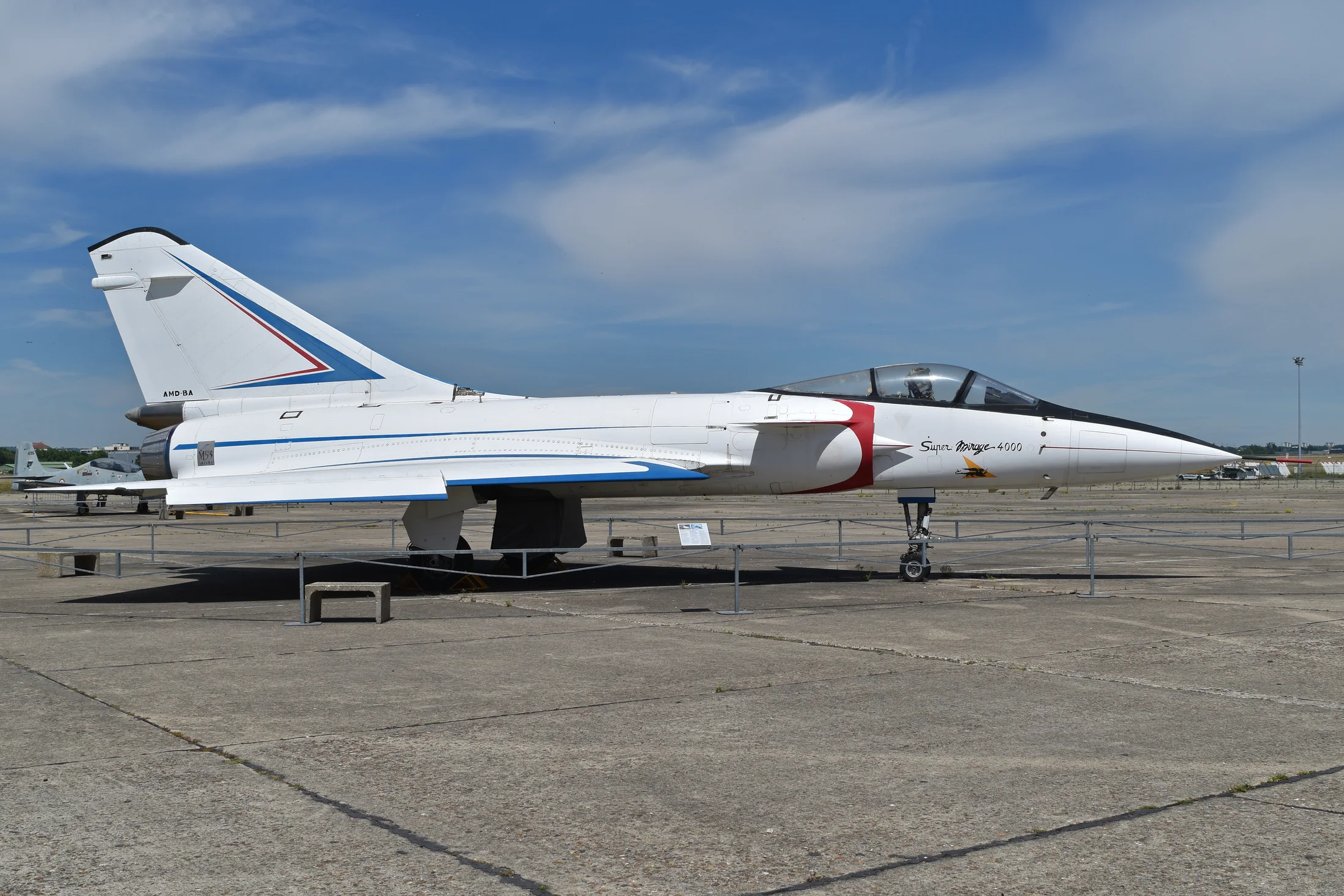
A large twin-engine delta fighter prototype developed privately by Dassault as a high-performance complement to the Mirage 2000.
Open aircraft profile →
An uncrewed high-maneuverability technology demonstrator flown to investigate advanced fighter aerodynamics, controls, and structural concepts.
Open aircraft profile →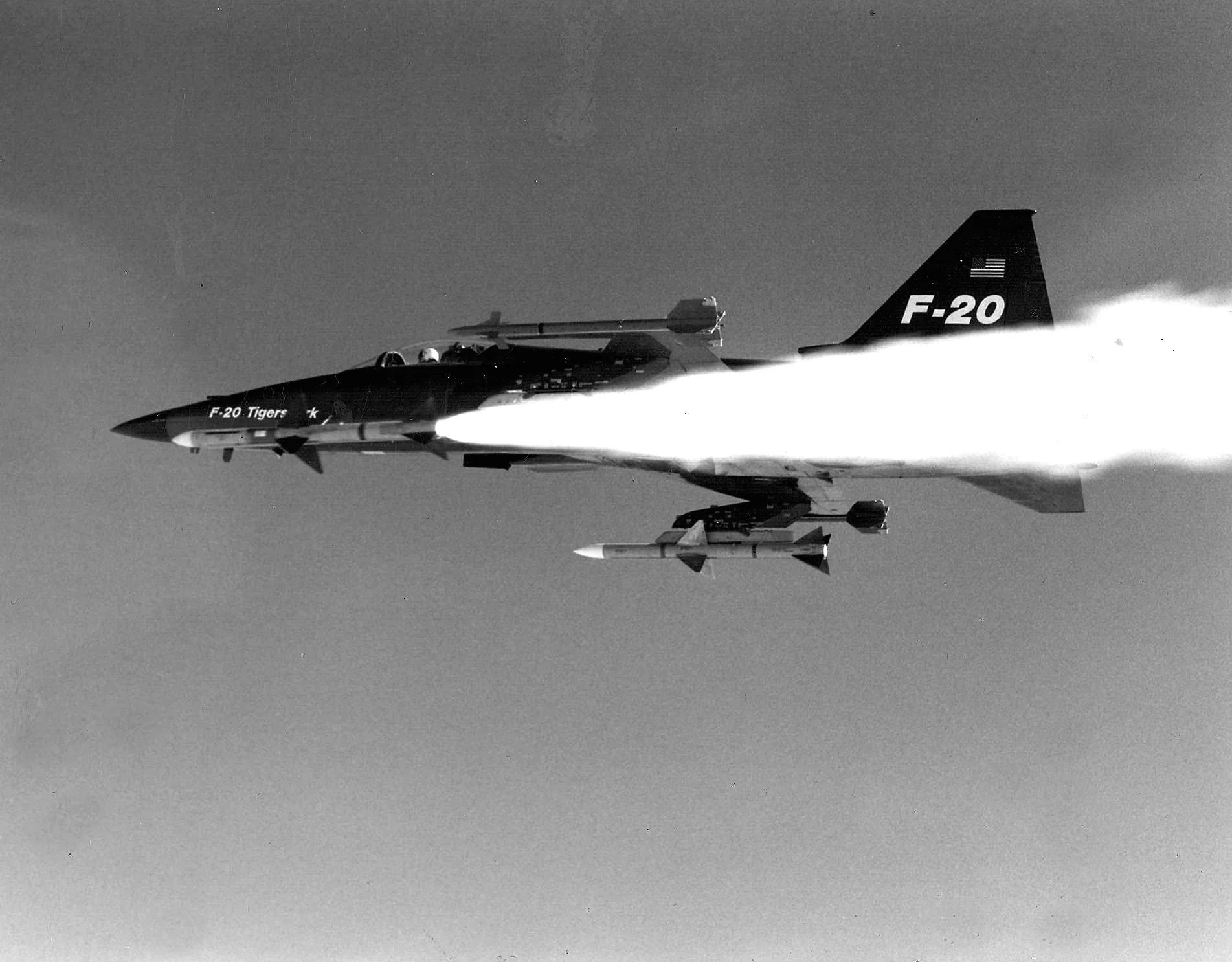
A privately developed single-engine fighter evolved from the F-5 line for export and rapid-reaction air-defense missions.
Open aircraft profile →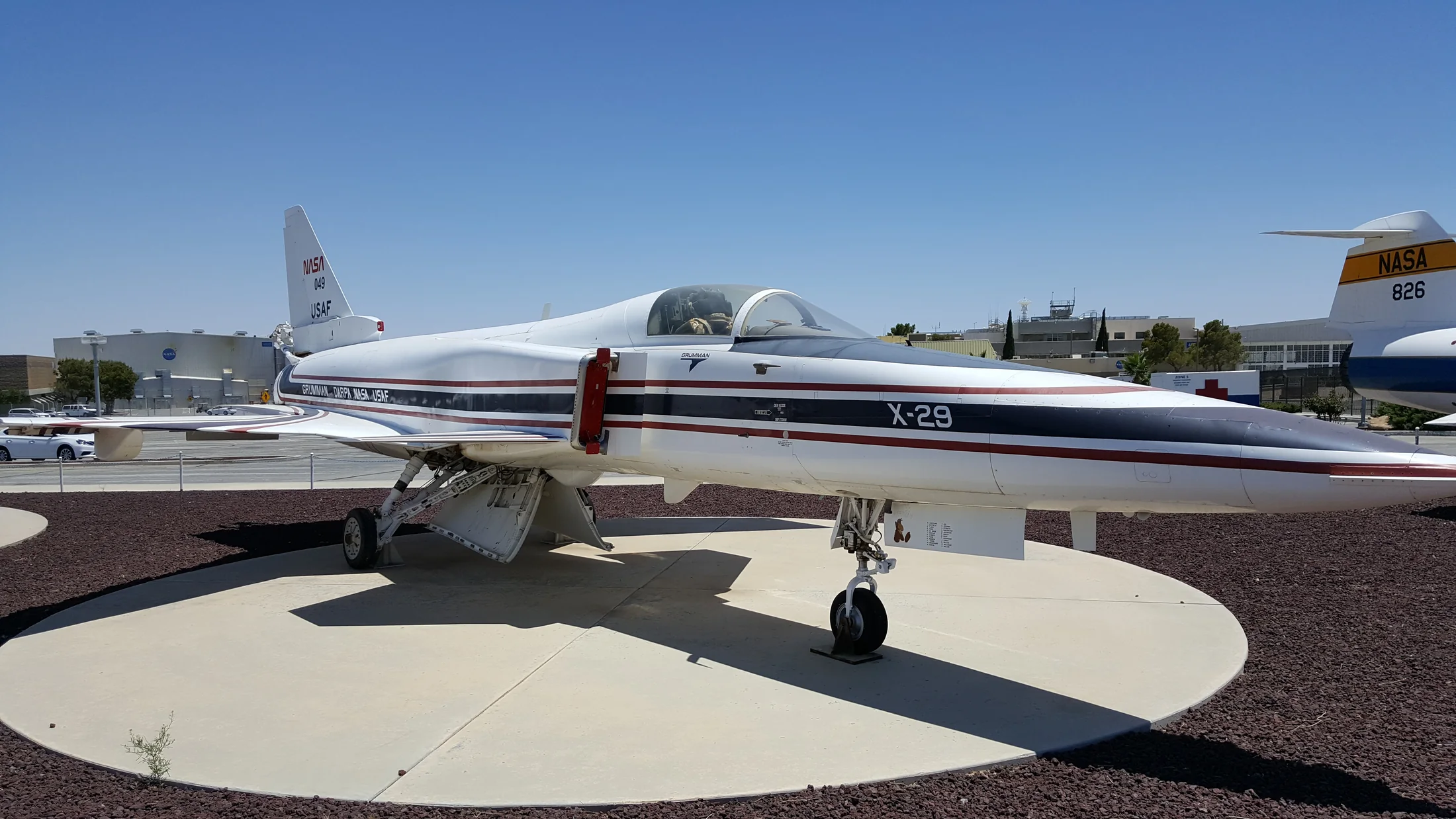
A flown forward-swept-wing technology demonstrator used to investigate advanced fighter aerodynamics, composites, and digital flight control.
Open aircraft profile →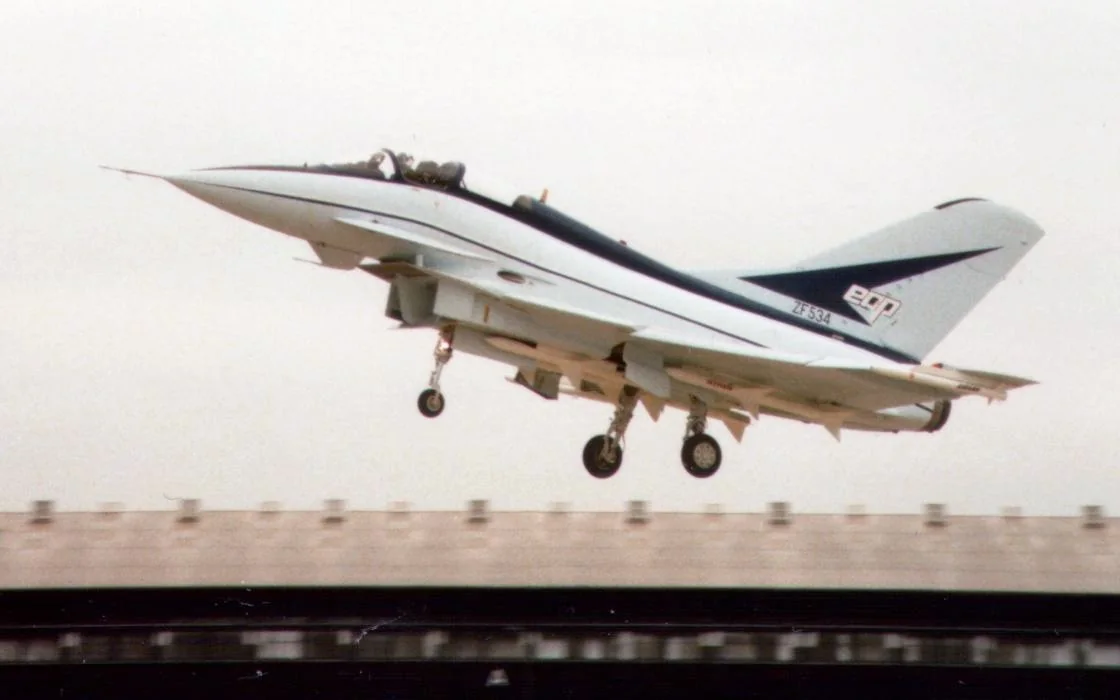
A flown advanced-fighter technology demonstrator that validated unstable canard-delta aerodynamics, digital fly-by-wire, advanced materials, and systems later applied to Eurofighter.
Open aircraft profile →
The winning Advanced Tactical Fighter lineage, beginning with the YF-22 demonstrators and continuing into the operational F-22 air-superiority fighter.
Open aircraft profile →
A flown Advanced Tactical Fighter demonstrator emphasizing low observability, supercruise, and long-range air-superiority performance.
Open aircraft profile →
A joint U.S.-German enhanced-fighter-maneuverability demonstrator used to prove thrust vectoring and controlled post-stall flight for future combat-aircraft design.
Open aircraft profile →
A subscale remotely piloted tailless fighter-agility demonstrator used to validate technologies intended to improve the maneuverability and survivability of future fighter aircraft.
Open aircraft profile →
A flown Russian advanced-fighter technology demonstrator with forward-swept wings used to explore aerodynamic, structural, and flight-control technologies for future combat aircraft.
Open aircraft profile →
A flown Russian advanced tactical-fighter prototype from the MFI program, intended to explore technologies for a post-Soviet air-superiority aircraft.
Open aircraft profile →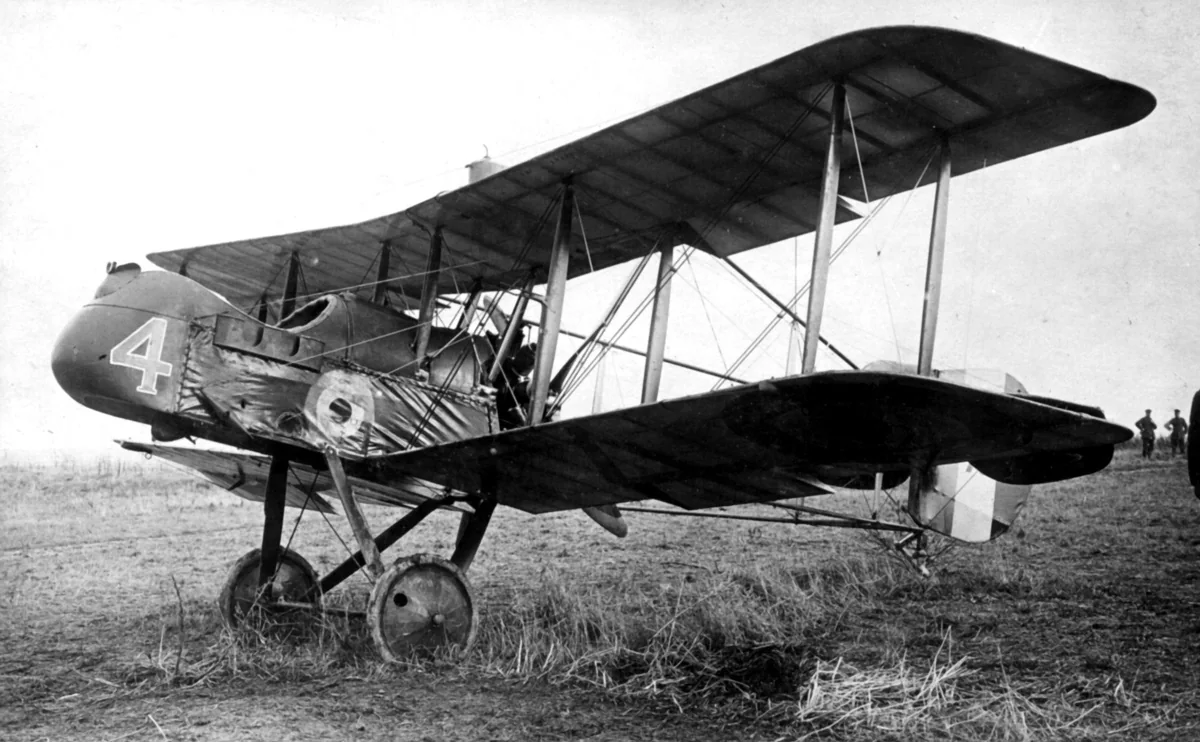
A British single-seat pusher fighter used in 1916 combat and one of the Allied types that helped challenge the earlier Fokker monoplane advantage.
Open aircraft profile →
The first of the streamlined Albatros D-series single-seat fighters, combining a semi-monocoque fuselage, inline engine and twin-gun armament in a major German fighter development of 1916.
Open aircraft profile →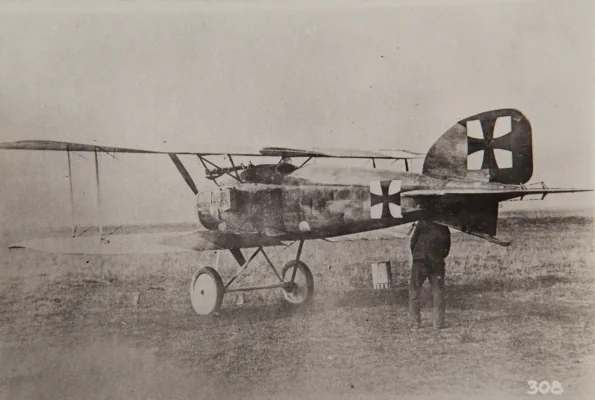
A refined Albatros D-series fighter that lowered the upper wing to improve pilot visibility while retaining the speed and firepower advantages of the original D.I concept.
Open aircraft profile →
A highly successful German fighter introduced in early 1917, combining the Albatros streamlined fuselage with a sesquiplane wing arrangement inspired by Nieuport practice.
Open aircraft profile →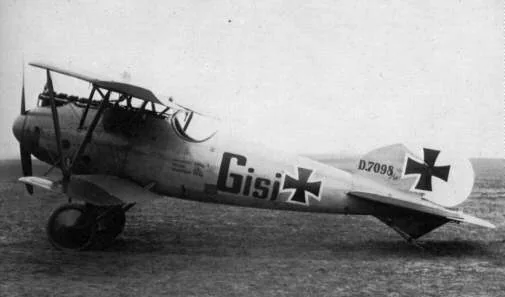
The later Albatros fighter family of 1917, including the D.V and strengthened D.Va, which remained in substantial German service through the final year of the war despite structural problems.
Open aircraft profile →
An all-metal-structured British fighter that became one of the RAF’s principal mid-1920s air-defence types and a prominent display aircraft.
Open aircraft profile →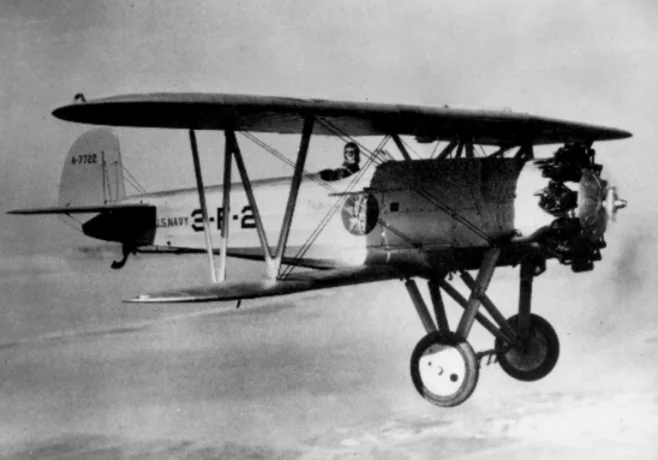
A Boeing carrier fighter developed from the F2B and fielded by U.S. Navy fighter squadrons before the F4B became the dominant type.
Open aircraft profile →
A U.S. Navy and Marine Corps Boeing fighter family of the mid-1920s that preceded the company’s F2B, F3B, and F4B series.
Open aircraft profile →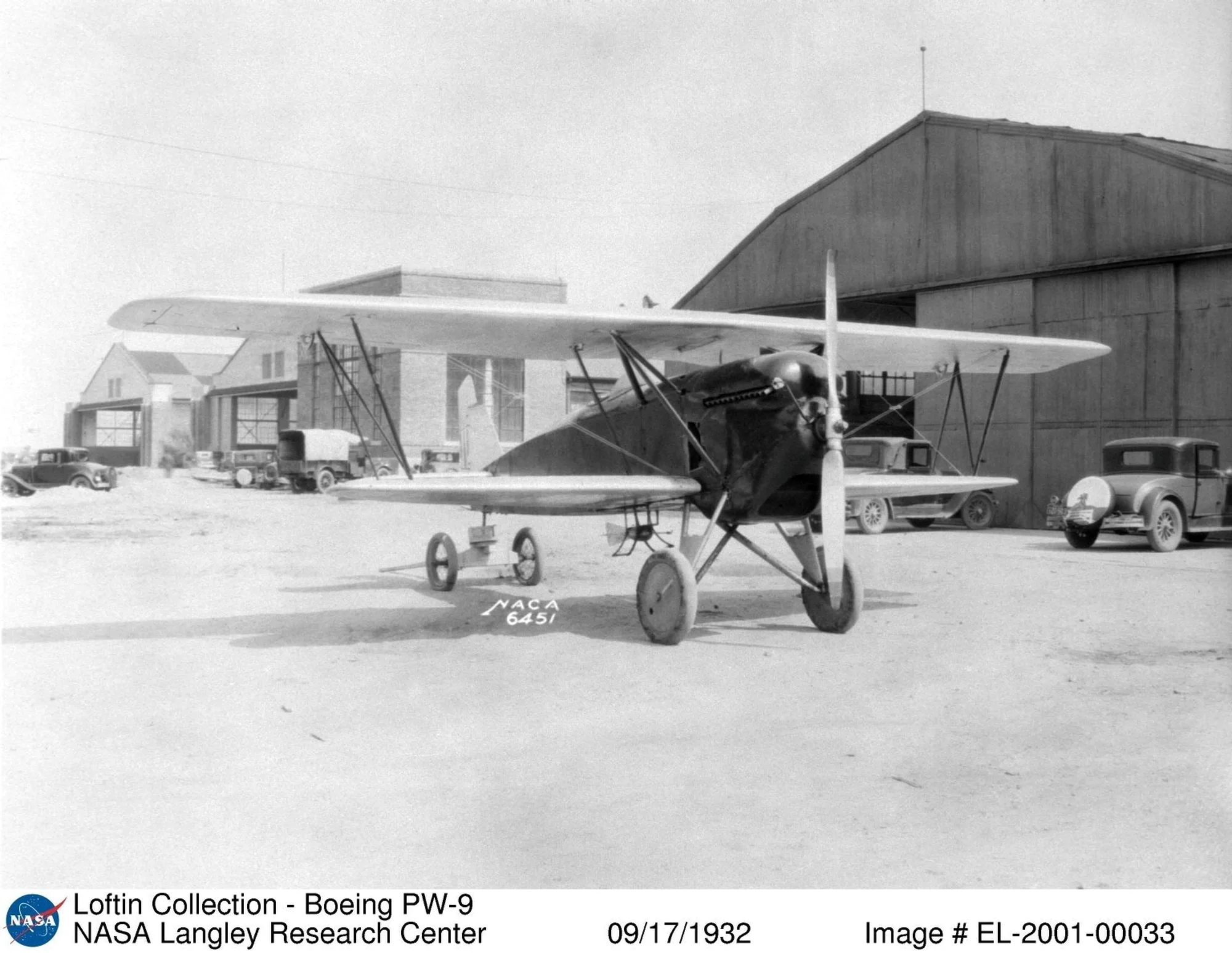
An early Boeing pursuit fighter for the U.S. Army, powered by the Curtiss D-12 and foundational to Boeing’s 1920s fighter line.
Open aircraft profile →
A highly maneuverable British biplane fighter that became the RAF’s standard home-defence fighter around the turn of the 1930s.
Open aircraft profile →
A two-seat British fighter introduced in 1917 that proved highly effective when flown aggressively and subsequently served in escort, reconnaissance and ground-attack roles.
Open aircraft profile →
A fast British single-seat monoplane fighter of 1916 whose strong performance was offset by institutional distrust of monoplanes and limited operational adoption.
Open aircraft profile →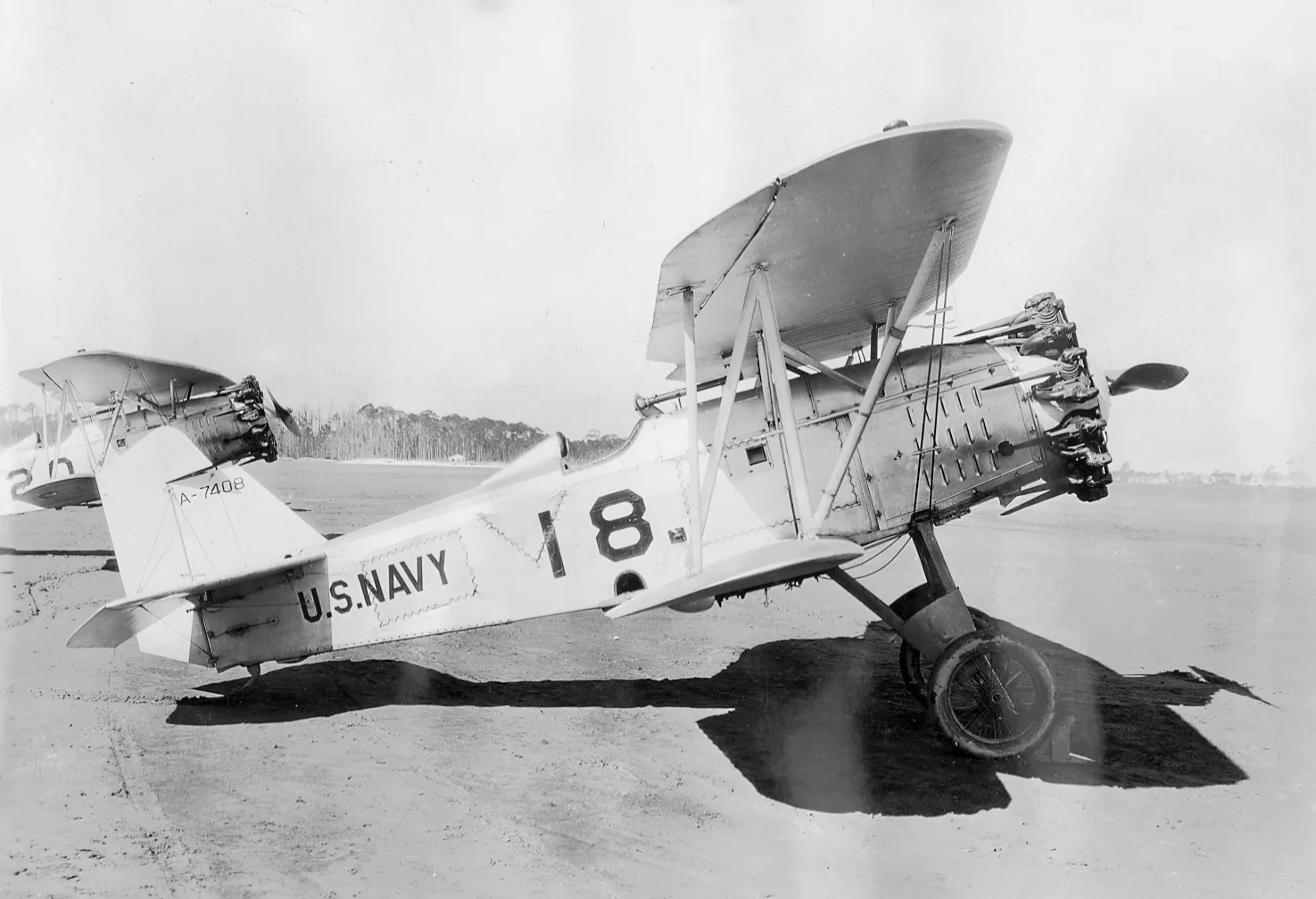
A U.S. Navy Hawk-series fighter that also played an important role in early naval experimentation with steep-angle dive bombing.
Open aircraft profile →
An American pursuit fighter of the mid-1920s and an early member of the Curtiss Hawk family used by the U.S. Army Air Corps.
Open aircraft profile →
A refined Curtiss Hawk pursuit fighter family that represented the mature form of U.S. Army biplane fighter development near the end of the 1920s.
Open aircraft profile →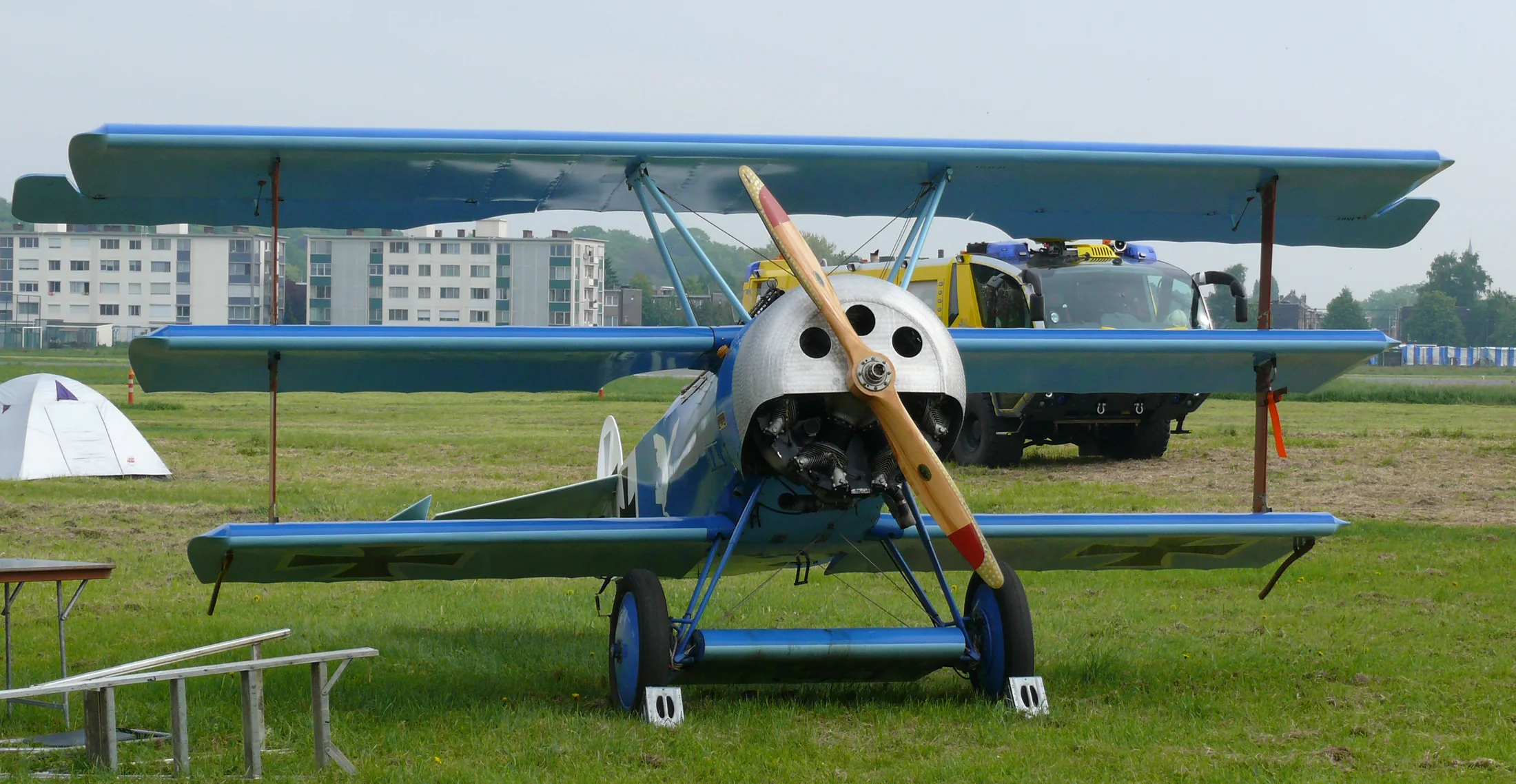
A highly maneuverable German triplane fighter introduced in 1917 and closely associated with several German aces, though produced in relatively limited numbers.
Open aircraft profile →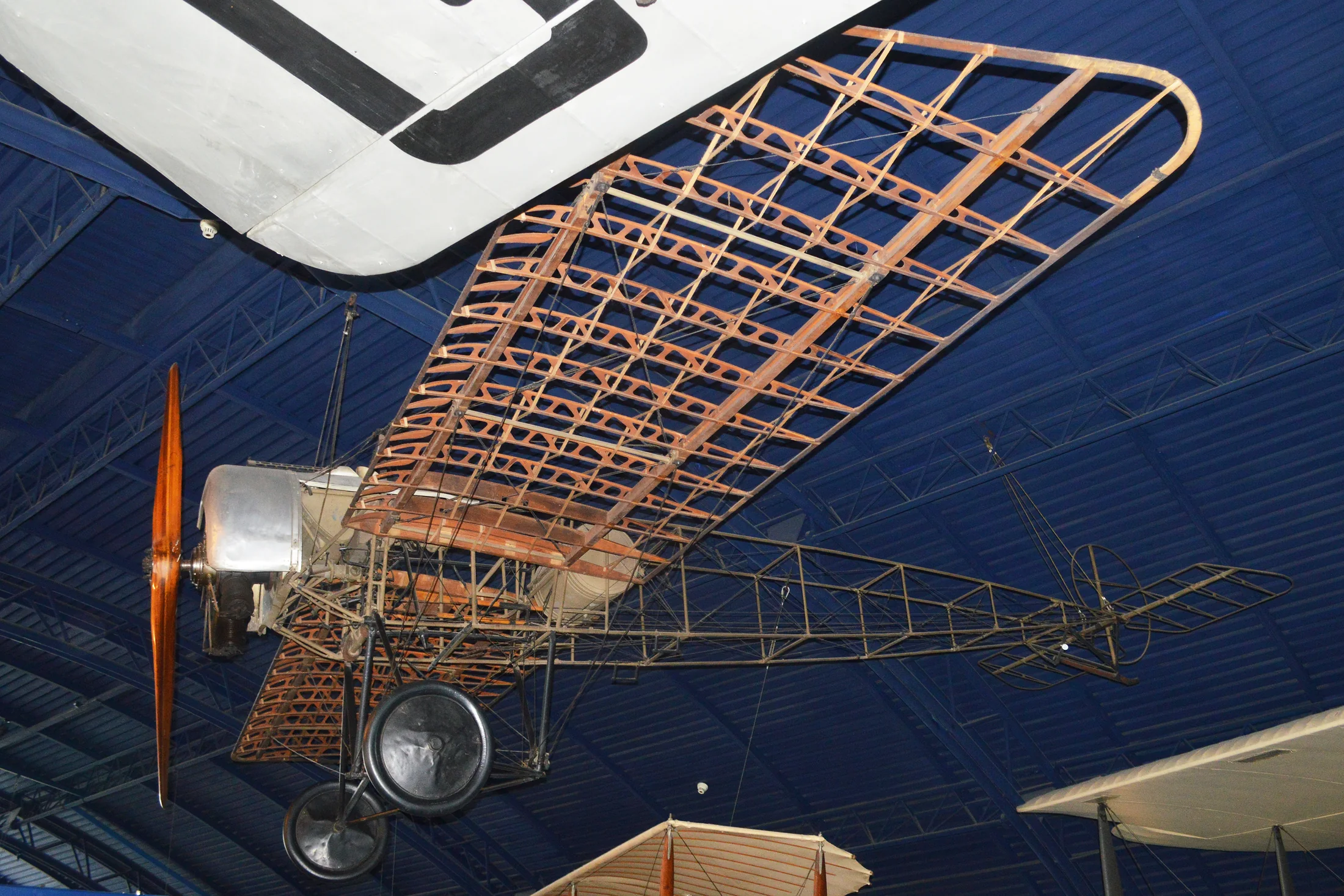
A German single-seat monoplane fighter of the Eindecker series, built around a forward-firing synchronized machine gun and associated with the first sustained period of specialized fighter operations.
Open aircraft profile →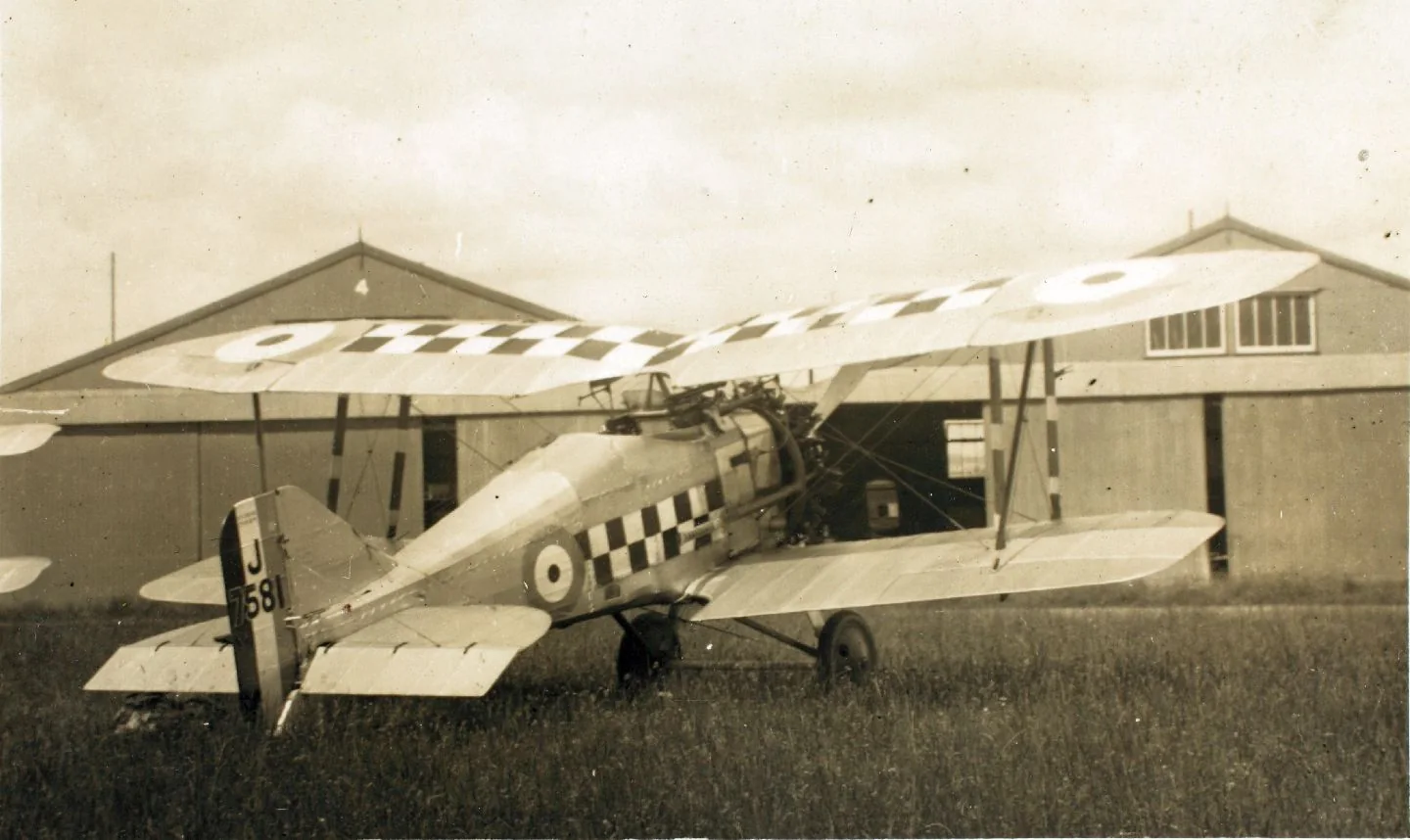
A British single-seat fighter that helped replace the Sopwith Snipe in RAF squadrons during the early 1920s.
Open aircraft profile →
A nimble French-designed fighter used chiefly by Belgian and Italian forces and later evaluated by the U.S. Navy for shipboard operations.
Open aircraft profile →
An early Hawker single-seat fighter developed for RAF home defence in the 1920s and one of the company’s first service aircraft.
Open aircraft profile →
The compact Nieuport 11 “Bébé” fighter entered service in 1916 and, alongside British pusher fighters, helped end the earlier German Fokker E-series air advantage.
Open aircraft profile →
A widely used French sesquiplane fighter introduced in late 1916 and operated by several Allied air services before newer SPAD and Albatros designs overtook it.
Open aircraft profile →
A late Nieuport fighter adopted by the American Expeditionary Force as a stopgap and notable as the first fighter flown in combat by American units under American command.
Open aircraft profile →
A French postwar single-seat fighter that became an important early-1920s service type and was also developed into record-setting racing variants.
Open aircraft profile →
A late-war German biplane fighter accepted in 1918 and used to supplement the Fokker D.VII, with good level-flight performance but less favorable combat handling.
Open aircraft profile →
A British pusher two-seat fighter family introduced on the Western Front in late 1915 and later employed extensively as a night bomber after newer fighters overtook it in daylight combat.
Open aircraft profile →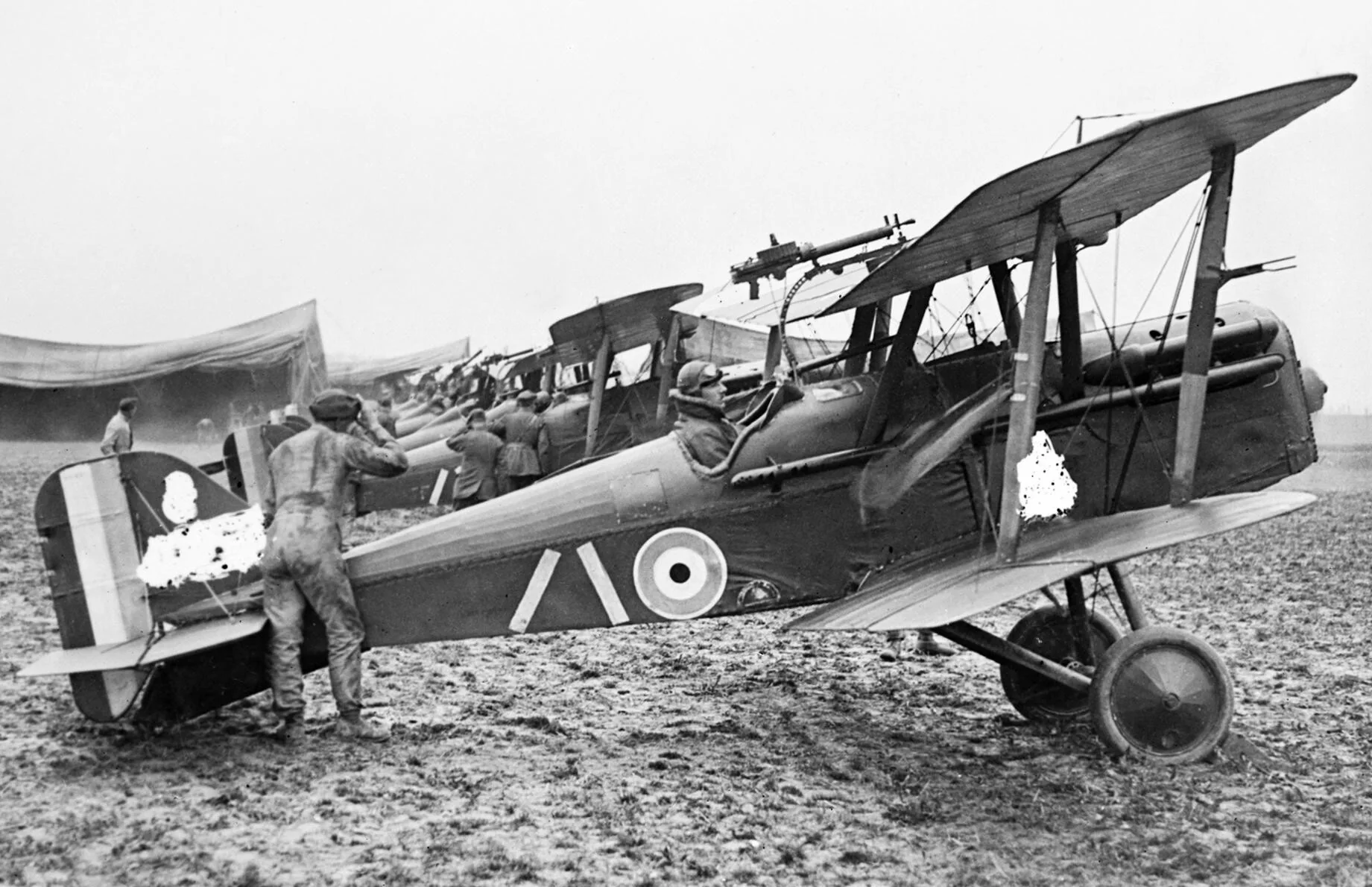
A fast and stable British fighter family whose improved S.E.5a became one of the principal Royal Flying Corps and Royal Air Force fighters of the late war.
Open aircraft profile →
A rugged French fighter introduced in 1916 whose strength and high-speed diving ability made it an important Allied combat aircraft before the later SPAD XIII.
Open aircraft profile →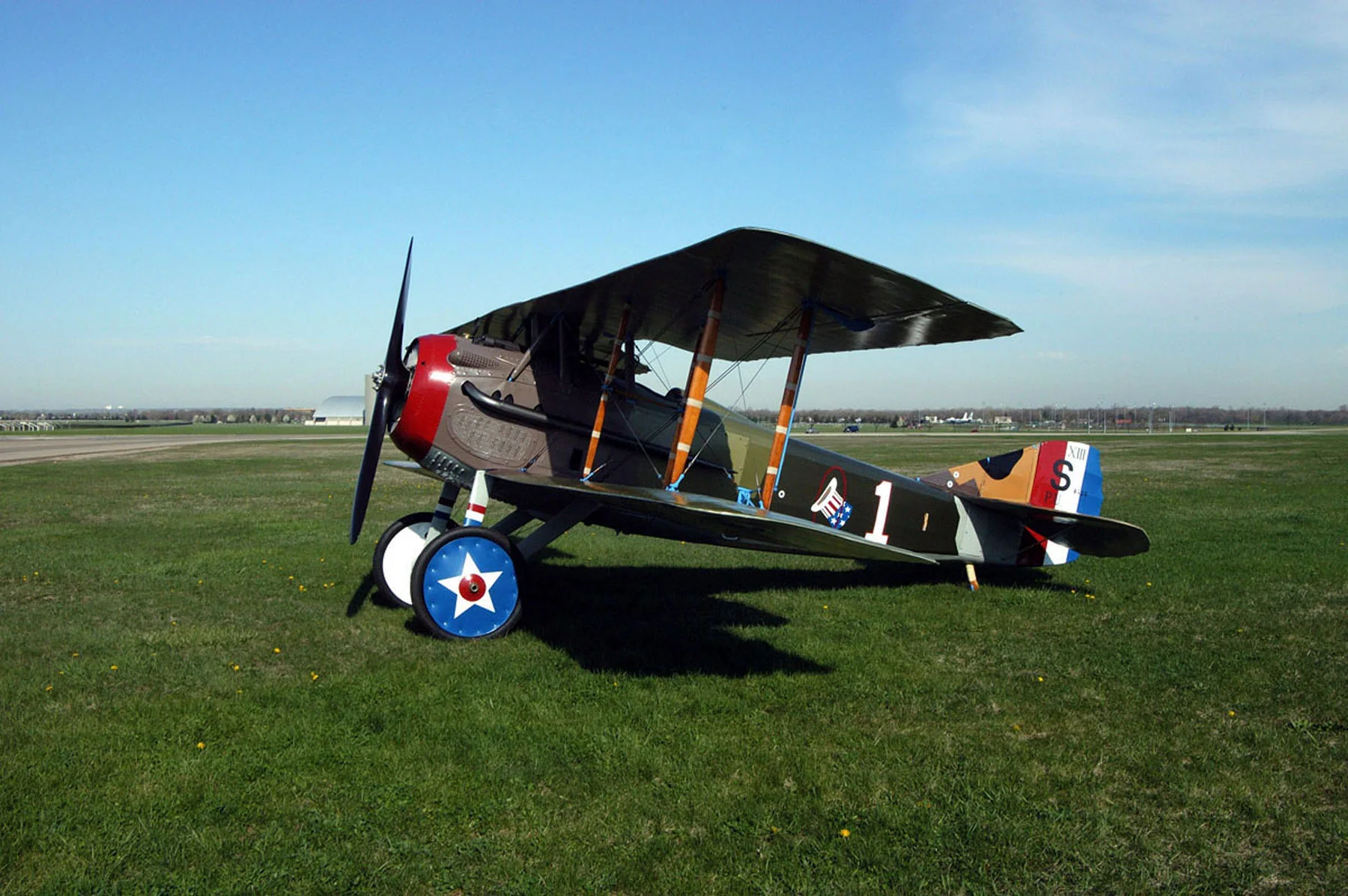
A fast, heavily armed development of the SPAD VII that became one of the principal Allied fighters of the final phase of World War I and was produced in large numbers.
Open aircraft profile →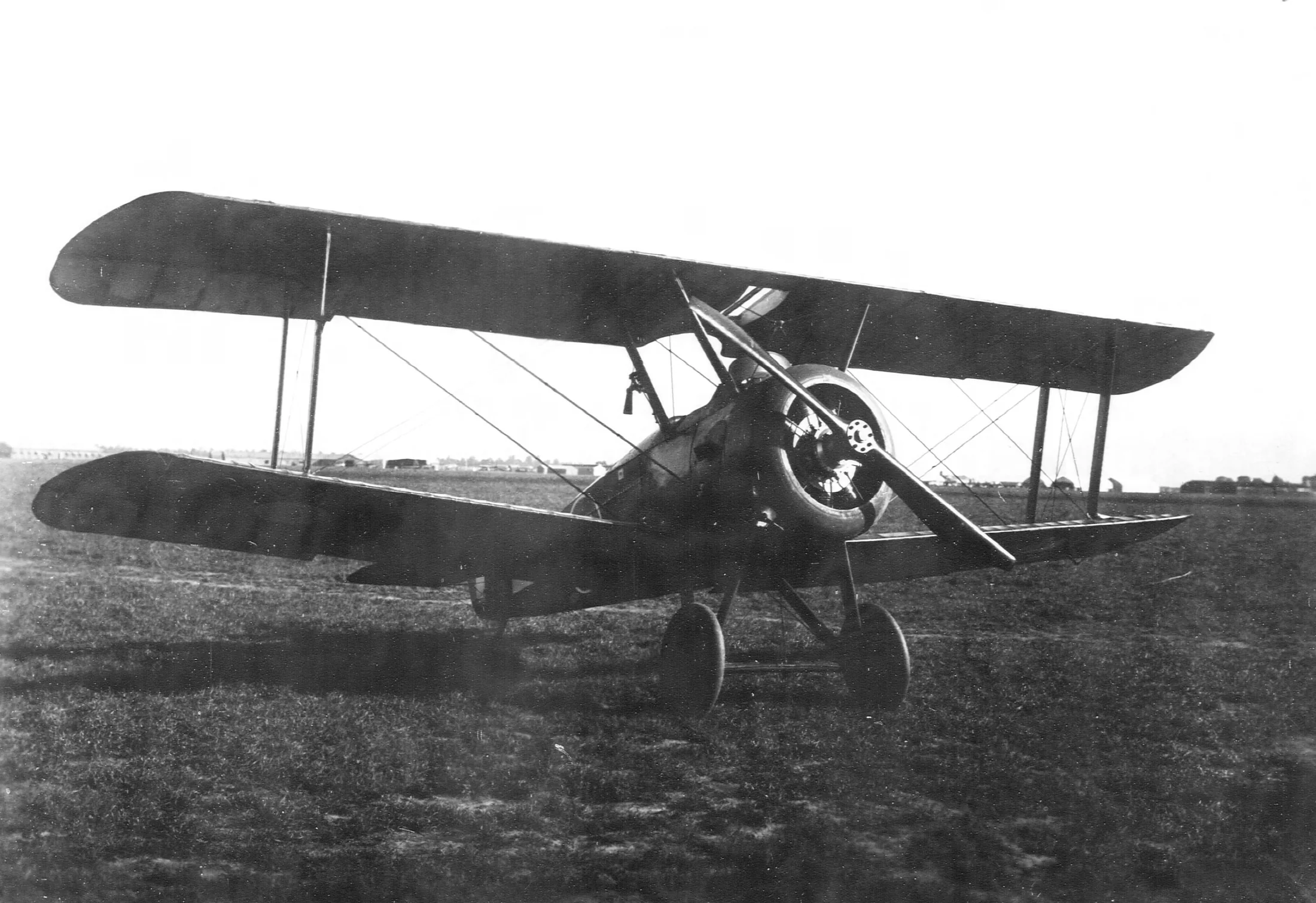
A highly maneuverable British fighter that became one of the most prominent Allied combat aircraft of World War I and served in both day and night fighting roles.
Open aircraft profile →
A powerful British inline-engine fighter with an unusual negative-stagger wing arrangement and multiple-gun armament, introduced into front-line service in 1918.
Open aircraft profile →
A light and highly maneuverable British fighter that entered Western Front service in 1916 and also played an important early role in shipboard fighter experimentation.
Open aircraft profile →
A late-war Sopwith fighter developed as a more stable successor to the Camel and introduced into squadron service during the final months of World War I.
Open aircraft profile →
A highly maneuverable British triplane fighter whose strong climb performance and early 1917 combat reputation stimulated German development of triplane fighters.
Open aircraft profile →
A purpose-built pusher fighter designed around a machine gun installation and used to equip the first squadron formed specifically to destroy enemy aircraft.
Open aircraft profile →